Sanstar sets book closure, e-voting dates for 44th AGM

scanx
Reviewed by
Riya DScanX News Team
Key Highlights
  • Sanstar Limited holds its 44th AGM on September 23, 2026
  • Book closure for equity shares runs from September 17 to 23, 2026
  • Remote e-voting begins on September 19 and ends on September 22
  • Shareholders must register by September 18 to participate in voting
powered bylight_fuzz_icon
49737209

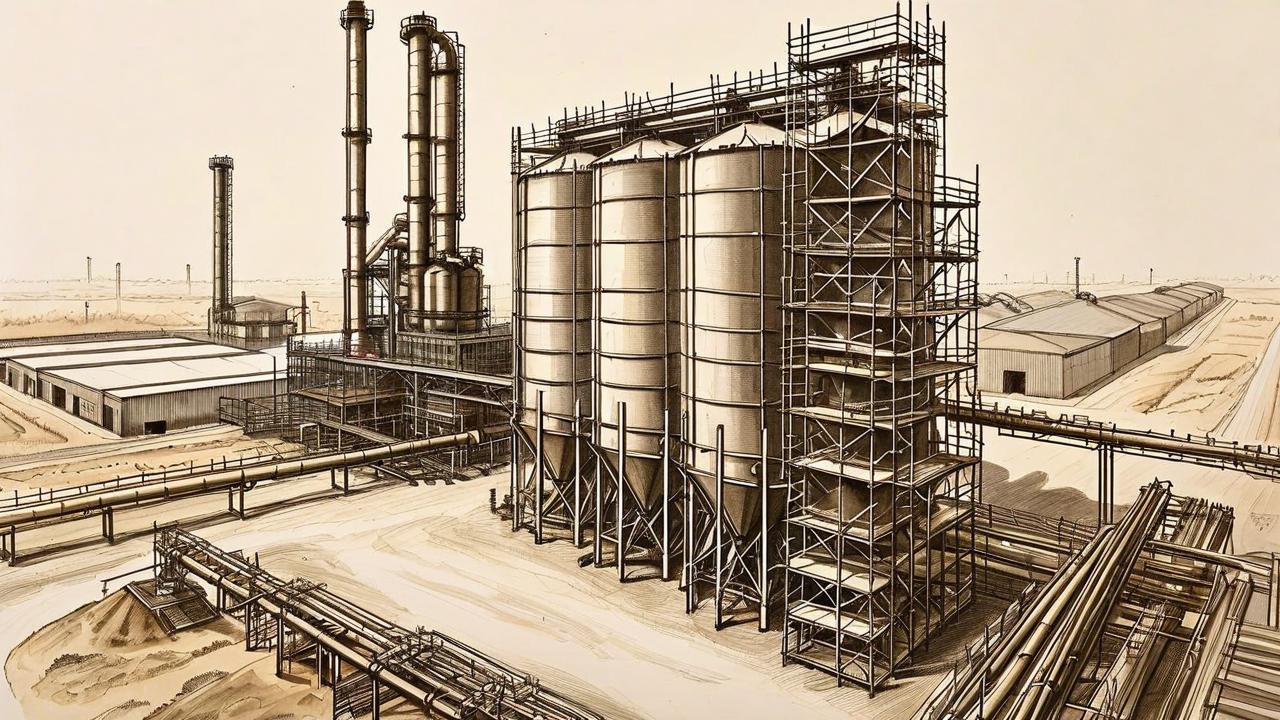
*this image is generated using AI for illustrative purposes only.

Sanstar Limited has announced the book closure period and e-voting schedule for its 44th Annual General Meeting (AGM). The meeting is scheduled for September 23, 2026.

The company’s registers will remain closed from September 17, 2026, to September 23, 2026. Shareholders holding equity shares of face value ₹2 each as on the record date will be eligible to attend and vote.

E-Voting Schedule

The company has disclosed specific timelines for remote e-voting and participation eligibility:

Event Date/Time
Cut-off date for e-Voting Friday, September 18, 2026
Remote e-Voting start Saturday, September 19, 2026 at 9:00 am
Remote e-Voting end Tuesday, September 22, 2026 at 5:00 pm
AGM Date Wednesday, September 23, 2026 at 11:30 am

The AGM will be held through Video Conferencing (VC) or Other Audio Visual Means (OAVM). Electronic copies of the notice and the Integrated Annual Report for FY25-26 have been dispatched to shareholders with registered email addresses.

Book Closure Details

The Register of Beneficial Owners, Register of Members, and Share Transfer Books will be closed during the specified period. This action is taken pursuant to Regulation 42 of the SEBI (Listing Obligations and Disclosure Requirements) Regulations, 2015.

The closure also aligns with Section 91 of the Companies Act, 2013, and Rule 10(1) of the Companies (Management and Administration) Rules, 2014.

Security Type Face Value Book Closure Period Purpose
Equity ₹2 September 17, 2026 to September 23, 2026 Annual General Meeting

Fagun Harsh Shah, Company Secretary and Compliance Officer, signed the intimation dated August 31, 2026. The communication was issued to both the BSE and NSE for record-keeping purposes.

Historical Stock Returns for Sanstar

1 Day5 Days1 Month6 Months1 Year5 Years
+1.99%+4.36%-0.79%+28.28%+36.26%0.0%

What key resolutions, such as dividend declarations or director appointments, are shareholders expected to vote on during the 44th AGM?

How might the FY25-26 financial performance detailed in the Integrated Annual Report influence investor sentiment ahead of the September meeting?

Are there any proposed changes to Sanstar Limited's corporate governance structure or executive compensation that will be tabled for approval?

Sanstar FY26 Results: Net profit falls 21%, capacity doubles to 2,350 TPD

scanx
Reviewed by
Riya DScanX News Team
Key Highlights
  • Revenue declined 18.1% YoY to ₹784.6 crore amid pricing pressures
  • Net profit fell 21.3% to ₹34.5 crore, but gross margin expanded to 30.1%
  • Installed capacity doubled to 2,350 TPD following Dhule expansion
  • Net debt reduced to ₹3.7 crore from ₹93.7 crore last year
  • Export diversification reduced Asia's share from 68% to 49%
powered bylight_fuzz_icon
49737268

*this image is generated using AI for illustrative purposes only.

Sanstar reported a 18.1% decline in revenue from operations to ₹784.6 crore for the financial year ended March 31, 2026, compared to ₹957.4 crore in the previous year. Profit after tax fell 21.3% to ₹34.5 crore, reflecting headwinds in native starch pricing and lower volumes.

The maize-based specialty products manufacturer navigated a challenging first half marked by Chinese export surges into Southeast Asia and an annual maintenance shutdown. Despite the topline pressure, gross margin expanded to 30.1% from 25.9%, as the company optimized its product mix and controlled costs.

Capacity Expansion and Balance Sheet

A key milestone for the year was the commissioning of a 1,250 tonnes per day (TPD) expansion at its Dhule facility. Total installed capacity rose from 1,100 TPD to 2,350 TPD, funded largely by IPO proceeds. This positions the company as India’s second-largest maize-based specialty products manufacturer.

The balance sheet strengthened significantly. Finance costs dropped 81% to ₹1.4 crore, and net debt improved from ₹93.7 crore to a near-neutral ₹3.7 crore, even after deploying ₹178.5 crore in investing activities.

Financial Performance

Metric FY26 FY25 Change
Revenue ₹784.6 crore ₹957.4 crore -18.1%
Gross Profit ₹236.2 crore ₹247.8 crore* -3.3%
EBITDA ₹38.0 crore ₹56.0 crore -32.1%
PAT ₹34.5 crore ₹43.8 crore -21.3%

Note: Gross profit figure derived from Chairman's message; EBITDA/PAT from KPI tables.

What the Numbers Show

While revenue contracted sharply, the divergence between top-line decline and stable gross profit indicates successful margin preservation. Gross margin expanded by 420 basis points to 30.1%, suggesting that higher-value products or cost efficiencies offset the volume loss in commoditized native starch. Additionally, the drastic reduction in finance costs (from ₹7.5 crore to ₹1.4 crore) contributed disproportionately to bottom-line stability relative to operating profit declines.

Strategic Outlook

Exports accounted for 34% of revenue across 41 countries. Geographically, Asia’s share of exports fell from 68% to 49%, as the company diversified into the Americas, Africa, and the Middle East to mitigate regional pricing pressures.

Looking ahead, management expects the upcoming derivatives facility at Dhule, slated for commissioning in FY27, to further stabilize margins through value-added products like liquid glucose and dextrose. The Board has not recommended a dividend for FY26, opting to retain earnings for internal deployment.

Historical Stock Returns for Sanstar

1 Day5 Days1 Month6 Months1 Year5 Years
+1.99%+4.36%-0.79%+28.28%+36.26%0.0%

How will the upcoming FY27 commissioning of the derivatives facility impact Sanstar's revenue mix and margin stability against volatile native starch prices?

What specific strategies is Sanstar employing to defend its market share in Southeast Asia amidst continued aggressive pricing from Chinese exporters?

With net debt reduced to near-neutral levels, will management prioritize further capacity expansion or debt-free balance sheet retention for potential M&A opportunities?

More News on Sanstar

1 Year Returns:+36.26%