

Rocket Lab secures dedicated Neutron launch contract with Kepler Communications


Rocket Lab secures a dedicated Neutron launch contract with Kepler Communications, marking a strategic shift from rideshare to dedicated missions for Kepler's optical constellation. The launch, scheduled no earlier than 2028, will enhance Kepler's capacity for commercial and government missions while pushing Neutron's manifest toward full capacity through the decade's end.



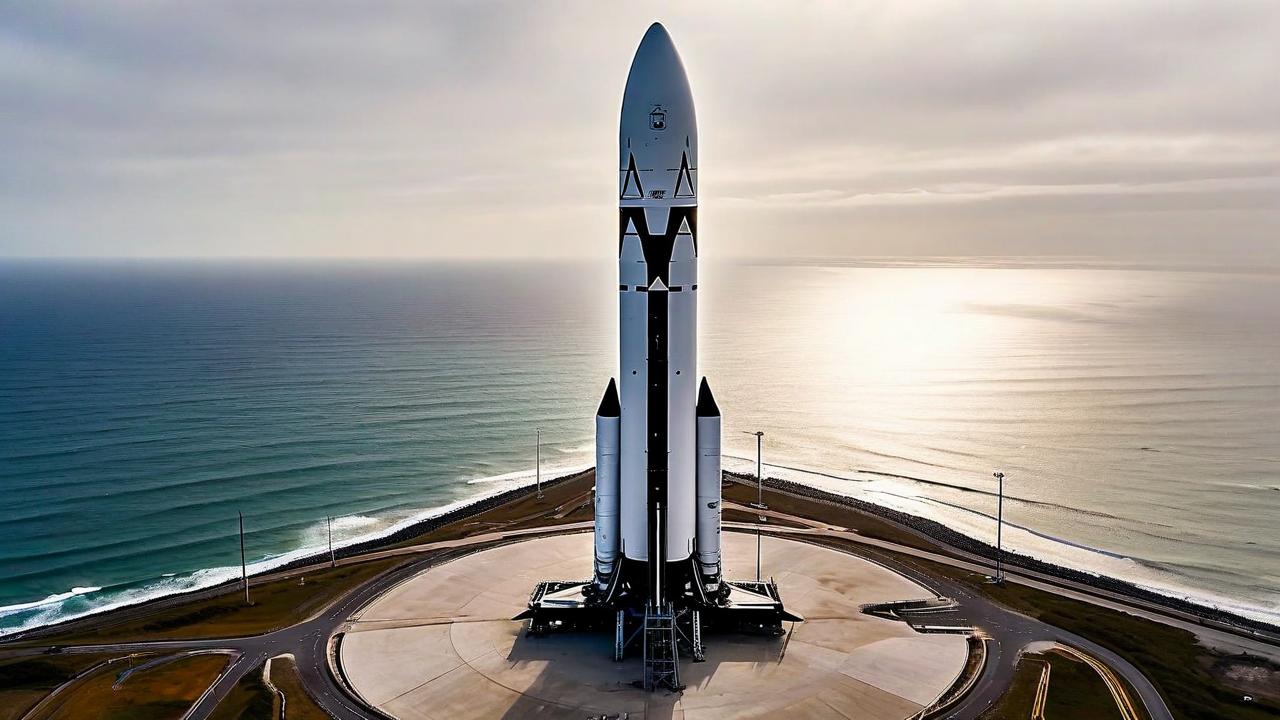
*this image is generated using AI for illustrative purposes only.
Rocket Lab Corporation (NASDAQ: RKLB) has secured a contract to launch a dedicated Neutron mission for space infrastructure provider Kepler Communications Inc (Kepler). Announced on August 10, 2026, the agreement represents a strategic shift for Kepler, which has previously relied on rideshare capacity to deploy its first 33 satellites. This new deal allows Kepler to deploy multiple satellites to low Earth orbit with greater control over scheduling and orbital parameters, addressing growing demand for its optical connectivity and on-orbit compute services.
The mission is scheduled to launch from Rocket Lab Launch Complex 3 on Wallops Island, Virginia, no earlier than 2028. The Neutron rocket will deploy satellites that expand Kepler’s constellation with additional optical connectivity, on-orbit compute capabilities, and hosted payload capacity. These assets are designed to support a range of commercial and government missions, enhancing the flexibility of Kepler’s network architecture and enabling real-time access to space data.
Strategic Shift in Launch Strategy
Kepler has previously utilized rideshare arrangements for its initial satellite deployments. This new agreement marks the first time the company has booked a dedicated mission on a commercial launch vehicle. By securing a dedicated slot, Kepler gains significant operational advantages, including precise control over launch schedules and orbital parameters. This shift allows the company to better align satellite deployment with specific constellation requirements, reducing dependency on third-party launch timelines and ensuring that orbital insertion parameters meet strict technical specifications required for high-performance optical networks.
Mission Capabilities and Market Impact
The Neutron mission is critical for expanding Kepler’s infrastructure footprint. The satellites deployed will provide enhanced optical connectivity and on-orbit compute resources. Additionally, the mission includes hosted payload capacity, enabling third-party missions to leverage Kepler’s network. This multi-faceted approach supports both commercial enterprises and government agencies seeking reliable space-based services. The contract also pushes Neutron’s manifest toward full capacity through the end of the decade, demonstrating the competitive solution that Neutron brings to medium-lift launch globally.
Executive Commentary
Sir Peter Beck, founder and CEO of Rocket Lab, stated that the company is proud to add Kepler to the growing list of organizations selecting Neutron to deliver their missions to orbit. He described Neutron as the space industry’s next-generation medium-lift rocket that puts constellation operators in the driver’s seat with tailored missions and secure access to space.
Mina Mitry, CEO and co-founder of Kepler, noted that selecting Rocket Lab for their first dedicated launch marks an important milestone as they continue to scale their infrastructure. "Our customer demand continues to grow, and dedicated launch provides the flexibility to expand and deliver more capacity and capability to the missions we support," Mitry said.
What the Numbers Show
The transition from rideshare to dedicated launches highlights a maturation in Kepler’s operational strategy. Having successfully deployed 33 satellites via rideshare, the company is now prioritizing precision and control for future constellation expansion. The commitment to a launch no earlier than 2028 indicates a long-term planning horizon, aligning with the development cycles of advanced space infrastructure projects. This move reduces launch-related risks and ensures that orbital insertion parameters meet strict technical specifications required for high-performance optical networks. The deal underscores the increasing demand for specialized launch services that can accommodate the unique requirements of modern optical data relay constellations.

How will the shift to dedicated Neutron launches impact Kepler's capital expenditure requirements and cash flow dynamics compared to its previous rideshare model?
What are the potential competitive implications for other medium-lift providers like SpaceX or Arianespace as Rocket Lab's Neutron manifest reaches full capacity by the end of the decade?
Could Kepler's expansion of on-orbit compute and hosted payload capacity trigger a new wave of partnerships with government agencies for secure data relay services?
 18
18












 Access Market Heat-map & Insights
  Create, Save & Share your Screener
  Use 200+ Screening Filters





