

Rain Industries subsidiary Rain Carbon signs deal with BioBTX for renewable aromatics


- Rain Carbon signs strategic collaboration with BioBTX for renewable aromatics
- BioBTX plant in Netherlands to produce 10,000 tonnes/year of aromatic oil
- Commercial operations expected to begin in early 2028
- Products target pharmaceuticals, coatings, toys, and automotive sectors

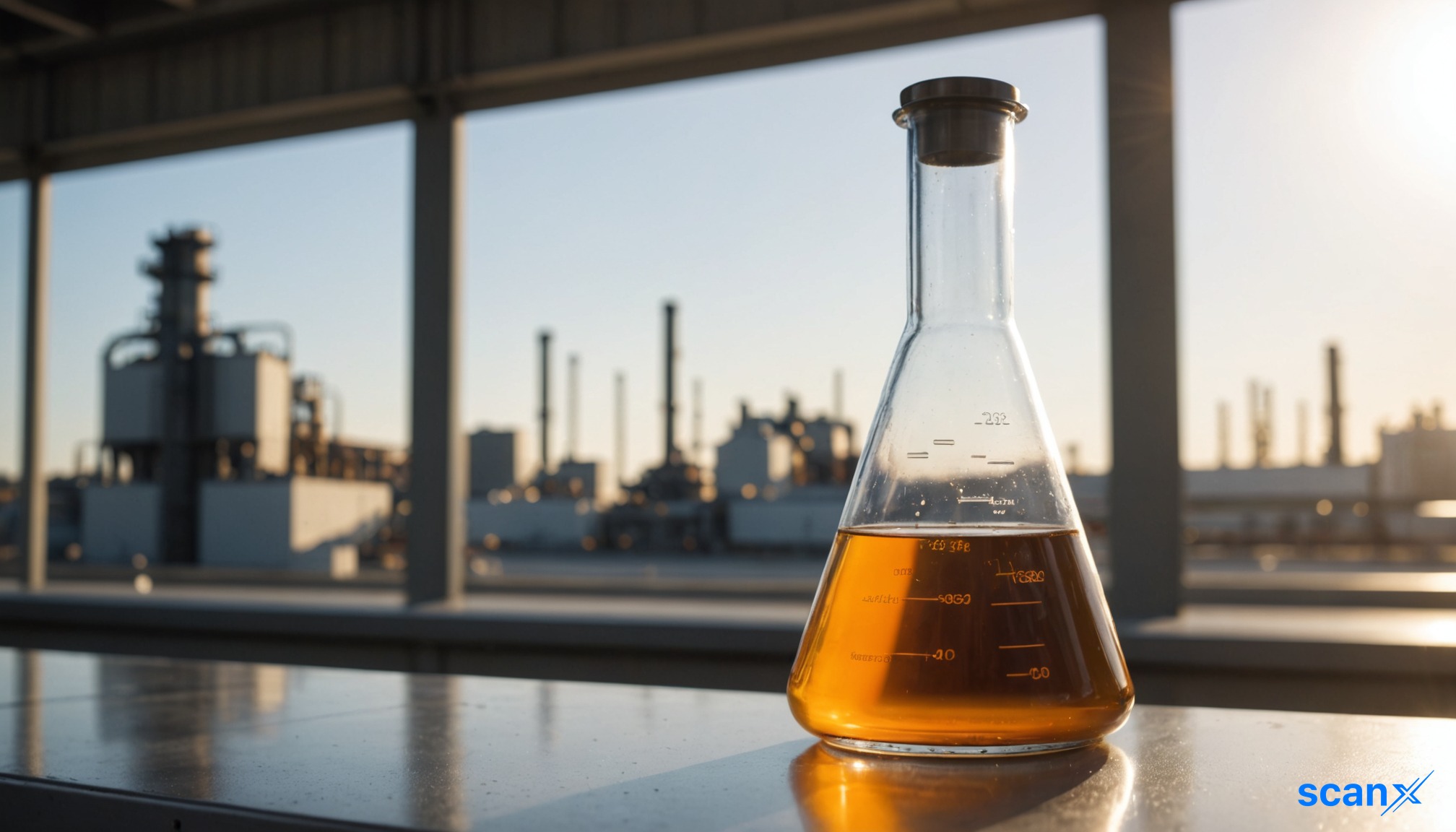

*this image is generated using AI for illustrative purposes only.
Rain Industries announced that its wholly owned subsidiary, Rain Carbon Inc., has entered a strategic collaboration with BioBTX BV to supply renewable aromatic products to the chemical industry. The partnership aims to support the transition toward circular and sustainable value chains by converting plastic waste into high-quality aromatic derivatives.
Collaboration scope and technology
BioBTX, based in Groningen, the Netherlands, developed the proprietary Integrated Catalytic Cracking Process (ICCP) technology. In July 2026, the company announced a positive Final Investment Decision for its first commercial-scale plant in Delfzijl. This facility is expected to become operational in early 2028 and will convert plastic waste into approximately 10,000 tonnes per year of renewable aromatic oil containing benzene, toluene, and xylenes.
Rain Carbon will process this circular aromatic oil into benzene, phthalic anhydride, and other derivatives. These products are designed to meet the same quality and performance standards as conventional fossil-based alternatives, allowing customers to reduce carbon footprints without compromising product integrity.
Strategic significance
The collaboration leverages Rain Carbon’s 150-year history in transforming industrial by-products into essential carbon materials. Kris Vanherbergen, EVP Carbon Distillation & Advanced Materials at Rain Carbon, stated that the partnership aligns with the company’s mission to create value from alternative carbon sources. By combining BioBTX’s innovative technology with Rain Carbon’s processing expertise, the entities aim to provide drop-in solutions for a more circular future.
Ton Vries, CEO of BioBTX, highlighted significant market interest from sectors such as pharmaceuticals, coatings, toys, and automotive applications. He noted that demand for products with higher recycled content and lower carbon footprints continues to grow, creating a clear need for circular raw materials.
What the numbers show
The timeline disclosed in the announcement reveals a critical dependency on infrastructure readiness. While the Final Investment Decision was taken in July 2026, the first commercial output is not expected until early 2028. This indicates a lead time of approximately 18 months from investment decision to operational capacity. Consequently, any immediate revenue impact for Rain Industries from this specific collaboration is likely deferred until the Delfzijl plant achieves steady-state production.
About the entities
Rain Carbon Inc., headquartered in Dover, Delaware, USA, is a global supplier of carbon-based and chemical products. It serves industries including aluminum, green steel, graphite, energy storage, tires, adhesives, coatings, pigments, and specialty chemicals.
BioBTX, founded in 2012, develops technologies replacing fossil resources with plastic waste and biomass. After demonstrating its ICCP technology at a pilot plant, it is now realizing the world’s first commercial-scale renewable aromatics plant at Chemical Park Delfzijl.
Historical Stock Returns for Rain Industries
| 1 Day | 5 Days | 1 Month | 6 Months | 1 Year | 5 Years |
|---|---|---|---|---|---|
| +1.79% | +8.01% | +16.17% | +79.78% | +80.16% | 0.0% |

How will the 18-month lead time to operational capacity impact Rain Industries' short-term capital allocation and R&D spending priorities?
What specific regulatory incentives or carbon credit mechanisms in the EU are expected to accelerate the commercial viability of BioBTX's Delfzijl plant?
To what extent can Rain Carbon's existing distribution network absorb the 10,000-tonne annual output without requiring significant new logistics infrastructure?
 16
16





 Access Market Heat-map & Insights
  Create, Save & Share your Screener
  Use 200+ Screening Filters





