

Paladin Energy FY26 Results: Revenue up 71% to US$304.3M


- Revenue surged 71% YoY to US$304.3M driven by higher U3O8 sales volumes and prices
- Net loss narrowed sharply to US$9.1M from US$76.5M in FY25
- Gross profit turned positive at US$52.2M vs a US$26.1M loss previously
- Operating cash flow swung to positive US$37.7M from an outflow of US$3.8M
- Net cash position expanded to US$233.0M with reduced debt facility drawdowns

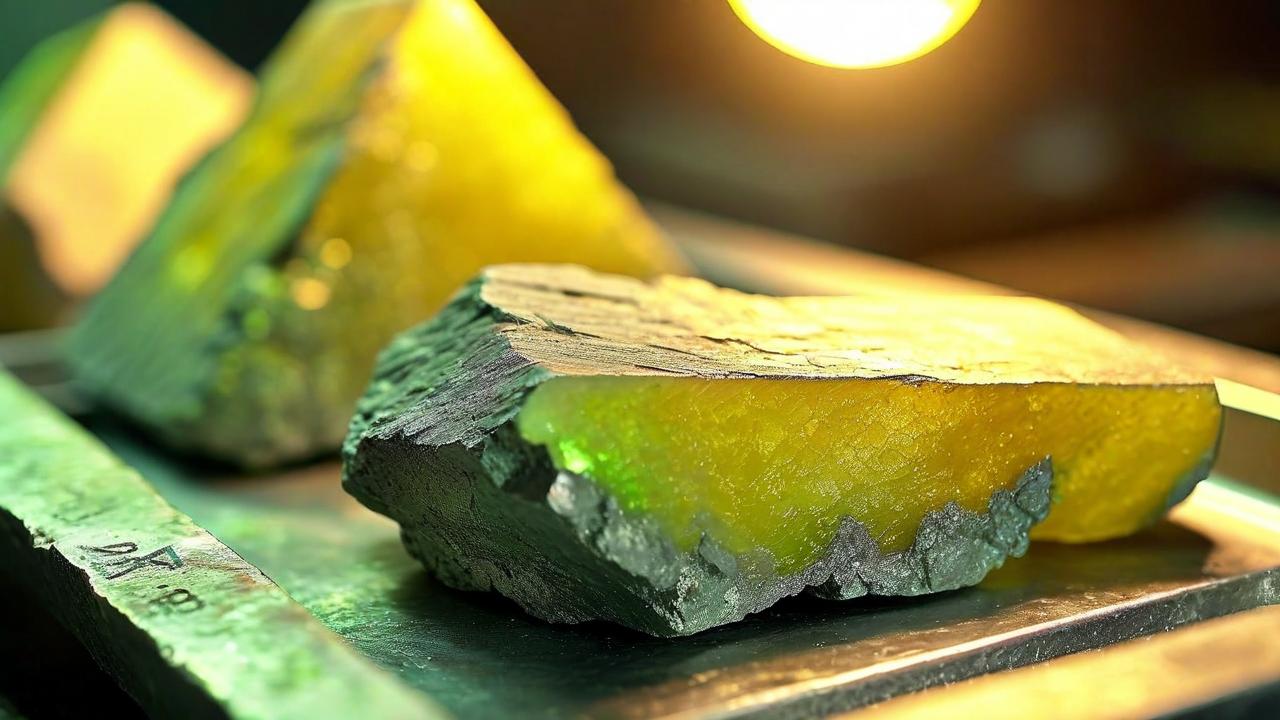

*this image is generated using AI for illustrative purposes only.
Paladin Energy Ltd reported a sharp improvement in financial performance for the fiscal year ended June 30, 2026, driven by higher uranium production and sales from its Langer Heinrich Mine (LHM). The Australian-based producer logged sales revenue of US$304.3 million, a 71% increase from US$177.7 million in FY25.
The revenue growth was underpinned by increased sales volumes of 4.35 million pounds of U₃O₈, compared to 2.71 million pounds in the prior year. This volume expansion coincided with an Average Realised Price of US$70.0/lb, up 7% from US$65.7/lb in FY25.
Operational Efficiency and Margins
Despite the volume surge, Paladin managed to keep its Cost of Production at US$43.3/lb, which remained at the lower end of its guidance range. This unit cost represents an 8% increase from US$40.2/lb in FY25, though the prior year’s figure excluded US$7.8 million related to the sale of previously written-down inventory.
Total cost of sales rose 30% to US$250.0 million, reflecting the higher throughput. However, the operational leverage generated a gross profit of US$52.2 million, a significant turnaround from a gross loss of US$26.1 million in FY25.
| Metric | FY26 | FY25 | Change |
|---|---|---|---|
| Sales Revenue (US$M) | 304.3 | 177.7 | +71% |
| Cost of Sales (US$M) | 250.0 | 191.7 | +30% |
| Gross Profit (US$M) | 52.2 | (26.1) | nm* |
| Net Loss After Tax (US$M) | (9.1) | (76.5) | nm* |
*Percentage movement is not meaningful due to change in sign or base.
Profitability and Balance Sheet
The net loss after tax narrowed substantially to US$9.1 million from US$76.5 million in FY25. This improvement was primarily driven by stronger earnings from LHM. It was partially offset by an US$8.6 million increase in general administration costs linked to business scale and complexity, as well as a US$6.1 million impairment of exploration assets, including US$5.7 million for the rationalisation of Michelin Project tenements.
Cash flows from operating activities turned positive, generating US$37.7 million compared to an outflow of US$3.8 million in FY25. At year-end, Paladin held total unrestricted cash and investments of US$265.0 million, comprising US$151.9 million in cash and equivalents and US$113.0 million in short-term investments.
The company reduced its drawn debt facility balance to US$32.0 million from US$86.5 million. Consequently, net cash position improved to US$233.0 million from US$2.5 million in FY25. An undrawn US$70 million Revolving Credit Facility remains available.
What the Numbers Show
The divergence between the 71% revenue growth and the 30% increase in cost of sales highlights improved operating leverage during the ramp-up phase. While unit production costs rose slightly year-on-year, the ability to sell significantly more volume at higher realized prices allowed gross margins to swing from negative to positive territory. Furthermore, the shift from negative operating cash flow to a US$37.7 million inflow indicates that the mine’s ramp-up is now generating sufficient liquidity to support debt reduction and build cash reserves without relying on external financing.
Corporate Events
Paladin will hold a conference call on August 26, 2026, at 11:30 am AEST to discuss these results. An Investor Day is scheduled for September 2, 2026, in Sydney.

How will Paladin Energy allocate its strong net cash position of US$233 million between debt reduction, capital expenditures for the Langer Heinrich Mine, and potential M&A opportunities?
What specific operational strategies is Paladin implementing to stabilize or reduce the Langer Heinrich Mine's production costs, given the 8% year-on-year increase in unit costs?
How might the rationalization of the Michelin Project tenements impact Paladin's long-term resource reserves and future growth pipeline?
 16
16








 Access 50+ Readymade Screeners
  Use 200+ Custom Filters
  Get Full Market Insights





