

SpaceXAI expands Grok infrastructure with NVIDIA Vera Rubin platform


- SpaceXAI deploys NVIDIA Vera CPUs to accelerate agentic AI workloads
- Infrastructure for Grok expands using the NVIDIA Vera Rubin platform
- Scaling targets gigawatts of computing capacity with optimized systems
- First-generation Starmind AI satellite uses Vera Rubin NVL72 system



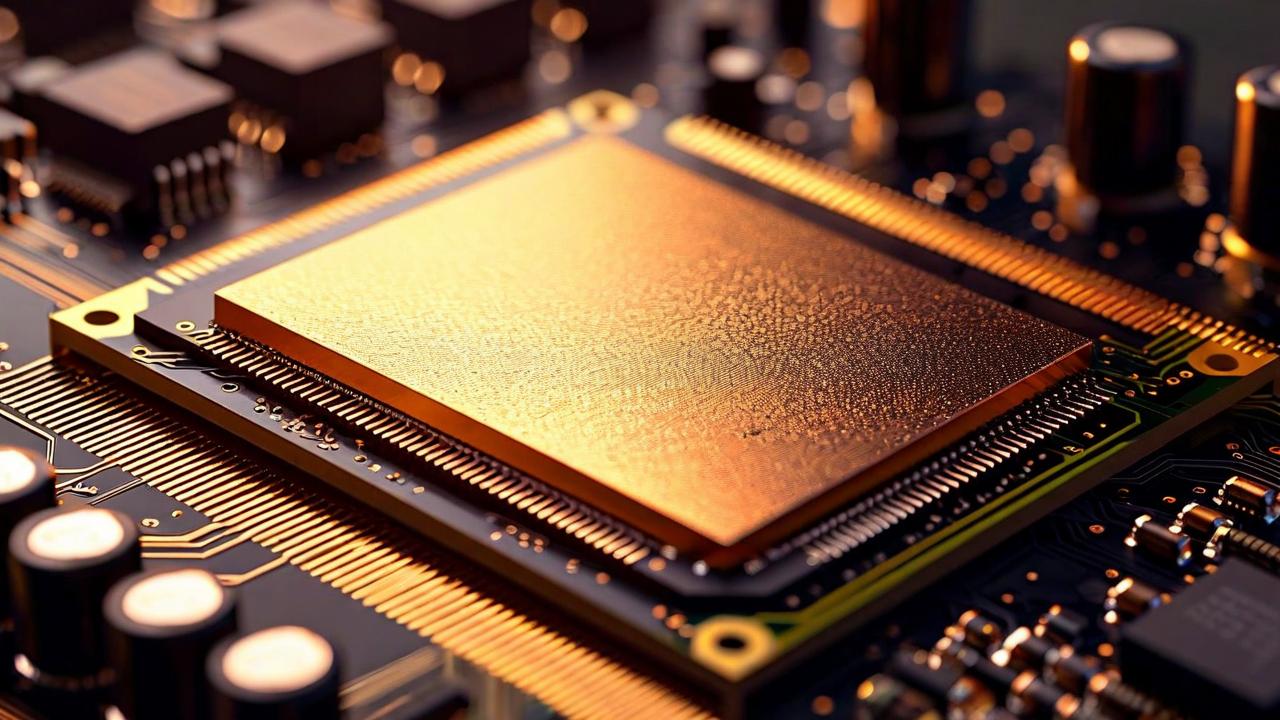
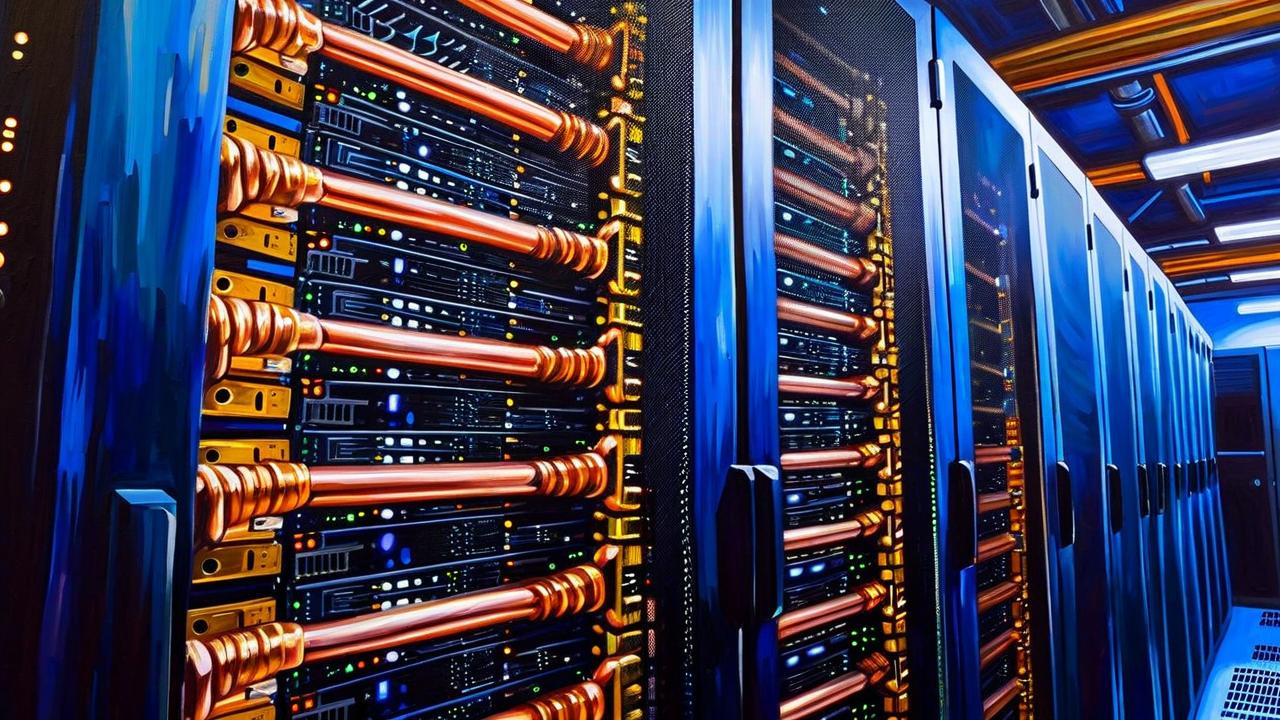
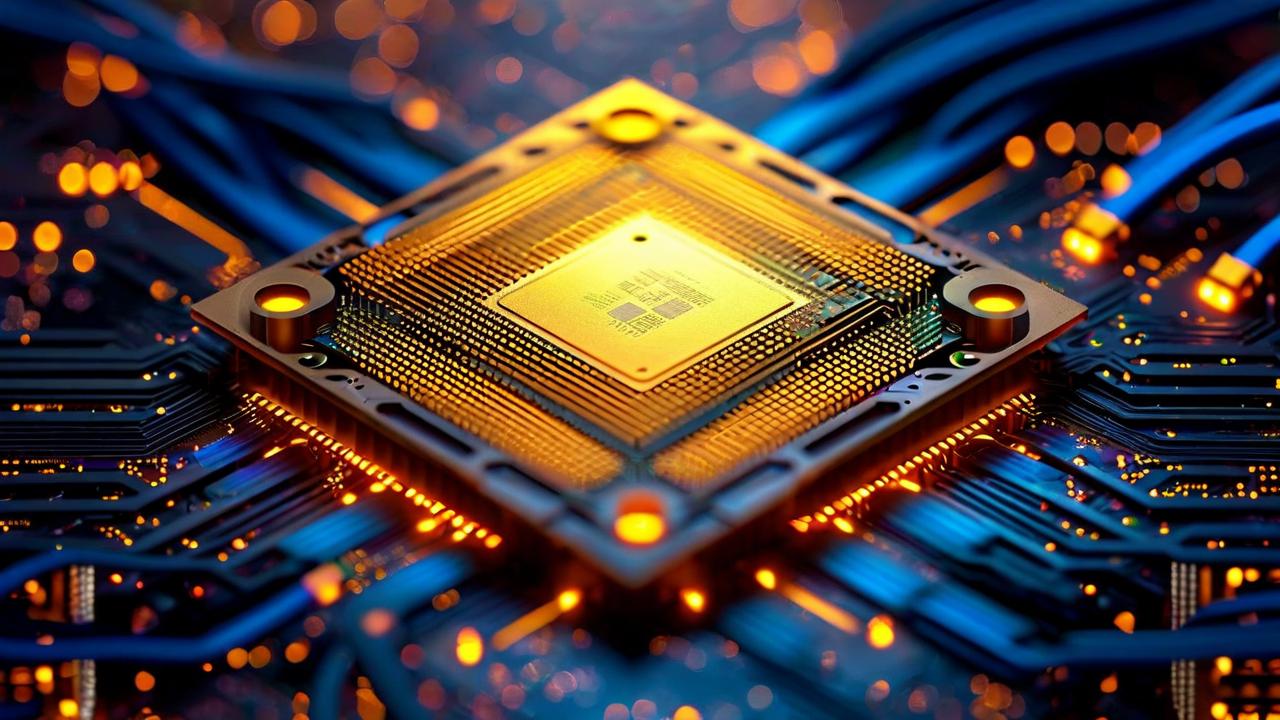
*this image is generated using AI for illustrative purposes only.
SpaceXAI will deploy NVIDIA Vera CPUs to accelerate its next generation of agentic AI applications. This collaboration brings the first CPU built specifically for AI agents to one of the world’s most ambitious AI deployments.
The move expands SpaceXAI’s infrastructure for Grok using the NVIDIA Vera Rubin platform. The architecture supports scaling toward gigawatts of computing capacity while extending optimized systems into space.
Agentic AI Infrastructure
Agentic AI applications increasingly rely on CPUs to orchestrate tools, execute code, process data and run simulations between model calls. SpaceXAI uses Vera to accelerate these workloads. This helps AI agents act faster while keeping GPUs fed and fully utilized.
NVIDIA Vera features 88 NVIDIA-designed Olympus cores, Spatial Multithreading technology and high-bandwidth LPDDR5X memory. The CPU delivers up to 1.2TB/s of bandwidth. It enables up to 1.8x faster task completion compared with x86 CPUs across agentic AI, reinforcement learning and data processing workloads.
"Vera gives us the CPU performance and memory bandwidth to run enormous amounts of orchestration, code and data processing while keeping GPUs doing what they do best," said Mike Nicolls, president of SpaceXAI.
Scaling With Vera Rubin
NVIDIA Vera Rubin is codesigned across compute, networking and software. The platform integrates NVIDIA accelerated computing, NVLink interconnect technology, Spectrum-X Ethernet networking, BlueField data processing and NVIDIA software.
This integrated architecture aims to deliver high performance and energy efficiency at scale. It drives down cost per token as SpaceXAI expands toward gigawatts of computing capacity. Vera Rubin provides a common architecture to efficiently scale next generation AI factories.
Orbital Computing Expansion
SpaceXAI plans to extend its use of NVIDIA accelerated computing into space. The first-generation Starmind AI satellite will be based on an optimized NVIDIA Vera Rubin NVL72 system.
Orbital computing imposes different constraints regarding power, thermal management, bandwidth, reliability and physical integration. NVIDIA and SpaceXAI are adapting the foundation to these requirements while preserving a common architecture and software ecosystem.
This delivers one computing foundation across environments. Vera CPUs accelerate AI agents on Earth. Vera Rubin powers the AI infrastructure behind Grok. NVIDIA accelerated computing extends into orbital AI infrastructure.

How will the integration of NVIDIA Vera CPUs impact the cost-per-token efficiency for Grok compared to existing x86-based AI infrastructure?
What specific technical challenges remain in adapting the Vera Rubin NVL72 system for the extreme thermal and power constraints of orbital environments?
Could the success of SpaceXAI's agentic AI architecture prompt other major cloud providers to shift away from general-purpose CPUs toward specialized AI orchestration processors?
 20
20












 Access 50+ Readymade Screeners
  Use 200+ Custom Filters
  Get Full Market Insights





