

NVIDIA pitches Vera CPUs to Chinese clients to revive sales


NVIDIA is pitching its new Vera AI data center CPU to Chinese clients, with availability expected as soon as August, to counter stalled H200 AI chip shipments due to U.S. export controls. This move marks NVIDIA's expansion into the CPU market, challenging AMD and Intel, while aiming to sustain revenue in the critical Chinese market. The stock rose nearly 1% in premarket trading, with analysts forecasting strong earnings growth.


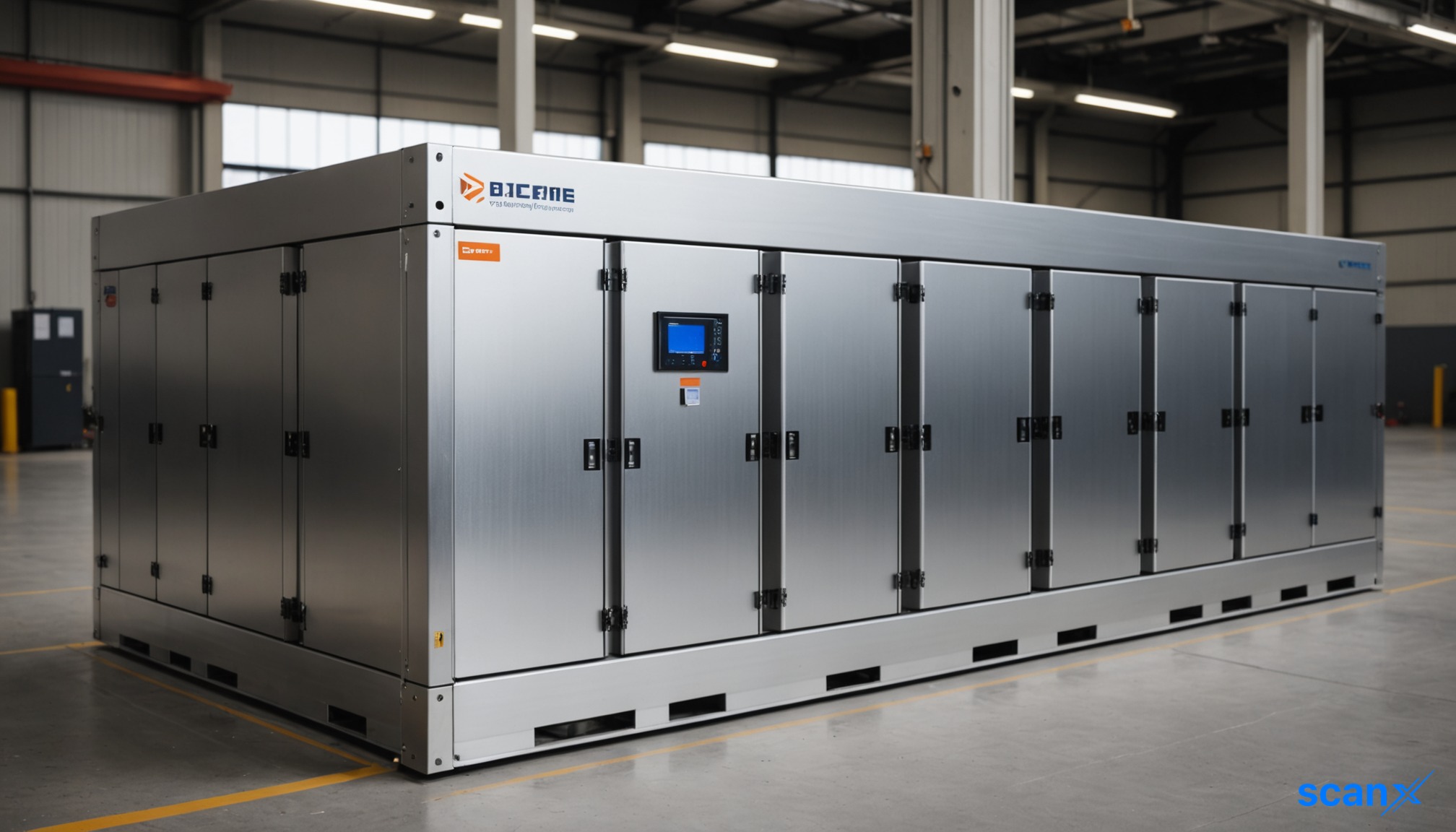
*this image is generated using AI for illustrative purposes only.
NVIDIA has informed Chinese clients that its new Vera central processors for AI data centers could be available as soon as August, allowing them to begin placing orders immediately, according to three sources familiar with the matter. This strategic pivot aims to revive the company's rapidly declining fortunes in China, a critical market where shipments of its second-most powerful AI chip, the H200, have stalled for months. The move highlights NVIDIA's urgency to diversify its offerings and maintain its market position amid regulatory and logistical hurdles affecting its high-end AI chip sales in the region.
The introduction of the Vera CPU marks a significant expansion of NVIDIA's product portfolio beyond its traditional graphics processing units. By targeting the data center segment, the company is directly challenging established players AMD and Intel in the central processing unit market. This escalation in rivalry comes at a time when NVIDIA is seeking alternative revenue streams to offset the impact of export restrictions and other barriers limiting its AI chip shipments to China.
Strategic Implications
The outreach to Chinese clients for the Vera processors underscores the importance of the Chinese market to NVIDIA's overall business strategy. With the H200 shipments facing prolonged delays, the company is leveraging its new CPU offerings to sustain engagement with key customers in the region. The availability of the Vera CPUs by August represents a critical timeline for NVIDIA to capture market share and mitigate the financial impact of stalled AI chip sales.
Competitive Landscape
NVIDIA's entry into the CPU market with the Vera processor intensifies the competition with AMD and Intel, both of which have a strong foothold in the data center and AI hardware sectors. The company's ability to quickly pivot and offer a new product line demonstrates its agility in responding to market challenges and regulatory pressures. However, the success of this strategy will depend on the performance and adoption of the Vera CPUs among Chinese clients, who have access to a range of alternatives from established competitors.
Market Reaction and Outlook
NVIDIA stock rose nearly 1% in Friday premarket trading as investors rotated back into large-cap technology stocks. The company continues to hold its long-term uptrend, trading 5.9% above its 100-day simple moving average of $194.57 and 9% above its 200-day SMA of $189.14. Analysts forecast earnings per share of $2.06, up from $1.04 a year earlier, on revenue of $91.70 billion versus $46.74 billion last year. The stock carries a consensus Buy rating with an average analyst price target of $323.83.

How will AMD and Intel respond to NVIDIA's entry into the data center CPU market with the Vera processor?
Will the Vera CPU's availability in China offset the revenue losses from stalled H200 AI chip shipments?
What regulatory hurdles might NVIDIA face with the Vera CPU, given existing export restrictions on high-end AI chips?
 19
19






 Access 50+ Readymade Screeners
  Use 200+ Custom Filters
  Get Full Market Insights





