

Nvidia says AI's water problem may already be solved


Nvidia Corp. has challenged concerns regarding the water consumption of artificial intelligence data centers, citing data that shows facilities use only 0.2% of daily U.S. water. The company attributes this reduction to new liquid-cooling technologies in its upcoming Rubin AI platform, which can lower water usage to near zero and save over $4 million annually for a 50-megawatt facility. While Elon Musk endorsed these claims, critics point out that the data excludes water usage from electricity generation and chip manufacturing.


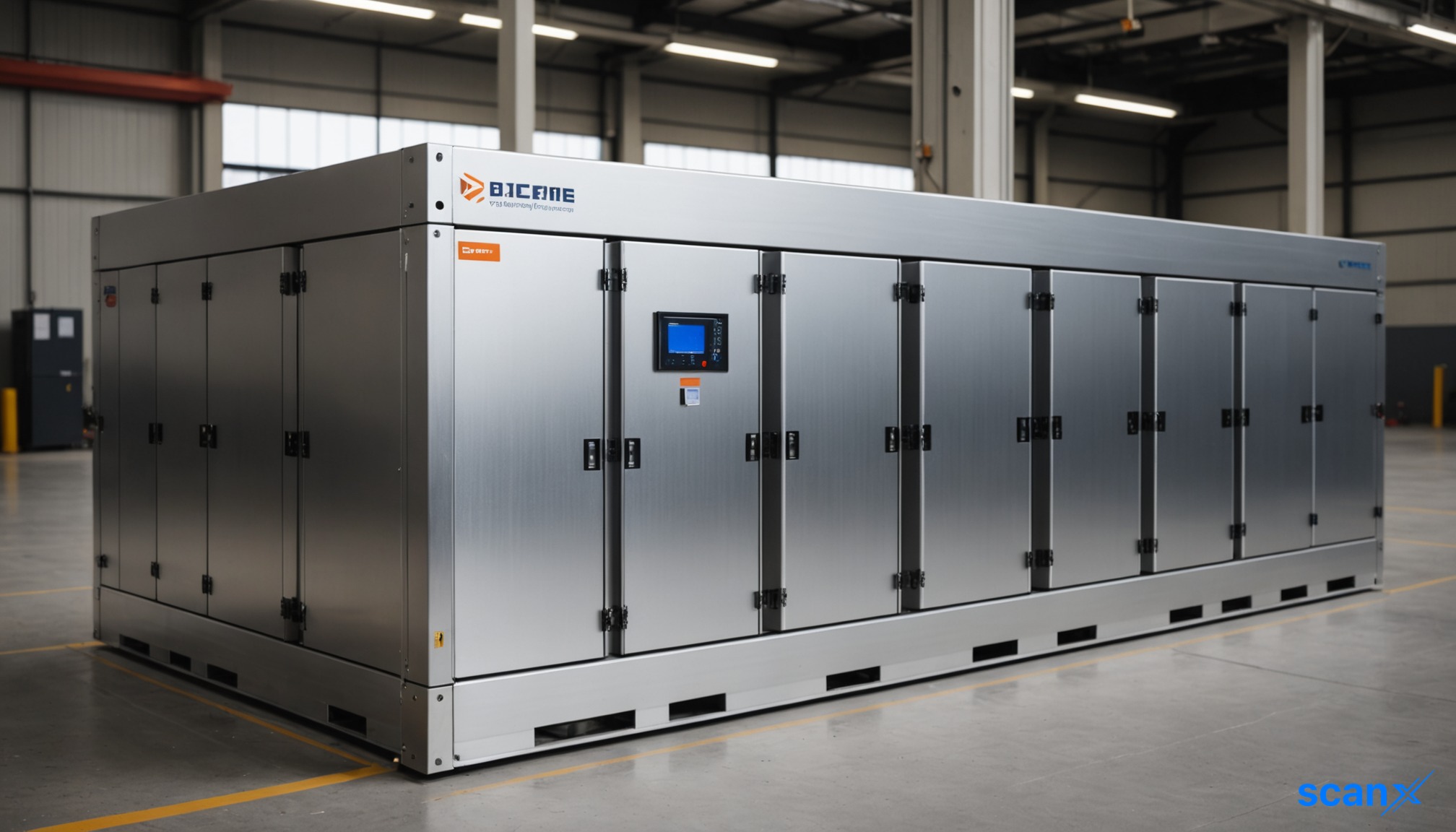
*this image is generated using AI for illustrative purposes only.
Nvidia Corp. has challenged concerns regarding the water consumption of artificial intelligence data centers, stating that such facilities account for a surprisingly small share of America's total water usage. The chipmaker cited findings from the Manhattan Institute indicating that data centers utilize only 0.2% of daily water usage in the U.S. This figure has reportedly decreased in recent years due to the adoption of advanced cooling technologies. Elon Musk, CEO of Tesla Inc. and Space Exploration Technologies Corp., publicly endorsed Nvidia's argument with a one-word affirmation of "True" on social media platform X. However, critics note that the data does not address water usage outside the data center, such as electricity generation and chip manufacturing, which increases a facility's total water footprint.
Cooling Technology Reduces Water Footprint
Nvidia explained that newer AI facilities are increasingly adopting liquid-cooling systems, which can significantly reduce or eliminate the need for traditional, water-intensive cooling towers. The company noted that AI facilities utilizing 45-degree Celsius liquid cooling can rely on dry coolers. This technological shift reduces cooling-related water consumption from approximately 2.6 million gallons per megawatt annually to near zero in favorable climates.
| Metric | Value |
|---|---|
| Daily U.S. water usage share | 0.2% |
| Previous water consumption | 2.6 million gallons per MW annually |
| New water consumption | Near zero |
Rubin AI Systems Target Zero Water Use
In a blog post, Nvidia disclosed that its upcoming Rubin-generation AI infrastructure will be the company's first platform to feature a fully liquid-cooled architecture. Ali Heydari, Nvidia's director of data center cooling and infrastructure, stated that the NVIDIA DSX reference design for AI factories targets zero water consumption. Heydari added that dry-cooler-based systems operate as closed loops, eliminating almost all water usage except in limited circumstances. The design also aims to lower energy demand by capturing heat directly at the chip level, addressing the fact that cooling has historically represented up to 40% of a data center's electricity consumption.
Financial and Operational Benefits
The potential benefits extend beyond water conservation. Nvidia estimates a 50-megawatt hyperscale data center could save more than $4 million annually in combined cooling, energy, and water expenses by adopting liquid-cooled infrastructure. Cooling has historically represented one of the largest operating expenses for data centers, accounting for as much as 40% of total electricity consumption in some facilities. By capturing heat directly at the chip level, Nvidia says operators can significantly reduce both energy use and physical infrastructure requirements.
Industry Context and Resource Scrutiny
The debate over resource usage occurs as investors and policymakers scrutinize the infrastructure required for AI expansion. Amazon.com, Inc. disclosed this week that its data centers consumed approximately 2.5 billion gallons of water in 2025, though the company claimed its efficiency exceeds industry averages. Local opposition to new data centers has intensified across the U.S., with critics raising concerns about water availability, energy demand, noise, and infrastructure strain. Nvidia's latest claims suggest at least one of those concerns may be less severe than many critics believe, provided the liquid-cooling approach delivers the efficiency gains described.

How will the adoption of fully liquid-cooled architectures in the Rubin generation impact the capital expenditure costs for building new hyperscale data centers?
Will the shift toward dry-cooler-based liquid cooling systems limit the geographic expansion of data centers to regions with specific favorable climates?
How might competitors and cloud providers respond to Nvidia's claims regarding water efficiency, and will this trigger an industry-wide standard for reporting total water footprints including manufacturing?
 15
15




 Access 50+ Readymade Screeners
  Use 200+ Custom Filters
  Get Full Market Insights





