

Novartis signs agreement to acquire Myricx Bio for $1.5bn


Novartis has agreed to acquire Myricx Bio for up to $1.5 billion, including $1.1 billion upfront, to integrate its novel NMTi ADC payload platform and strengthen its oncology pipeline.


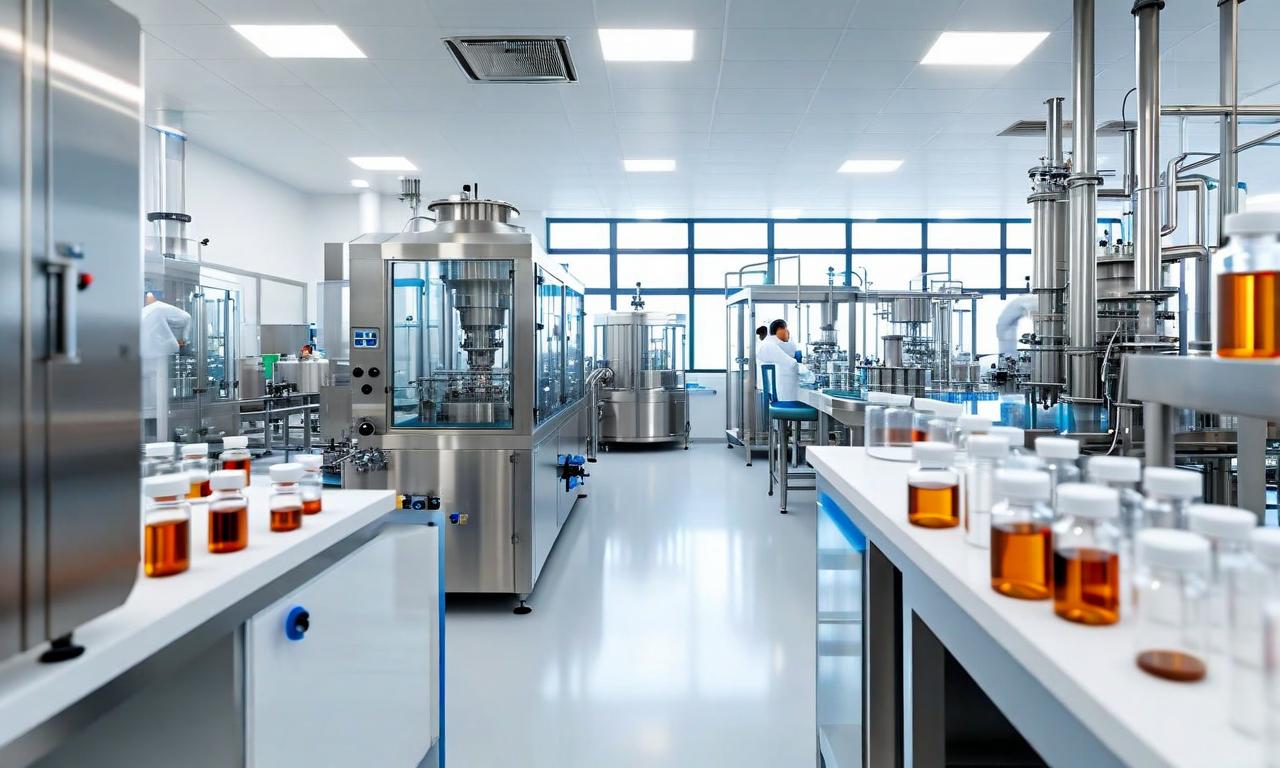
*this image is generated using AI for illustrative purposes only.
Novartis has entered into an agreement to acquire Myricx Bio, a UK-headquartered biotechnology company, for up to $1.5 billion, comprising $1.1 billion in cash upfront and potential milestone payments. The transaction strengthens Novartis's oncology pipeline by integrating Myricx Bio's novel antibody-drug conjugate (ADC) payload platform, which utilizes a first-in-class N-myristoyltransferase inhibitor (NMTi) mechanism. The deal is expected to close in H2 2026, subject to customary closing conditions and regulatory approvals, and addresses critical unmet needs for new ADC payloads that can overcome resistance and improve tolerability.
The acquisition centers on Myricx Bio’s NMTi payload platform, designed to disrupt critical processes cancer cells rely on for growth and survival. Preclinical data indicate this novel payload offers broad activity across solid tumors, including models resistant to TOPO-1 inhibitors. By integrating this platform, Novartis aims to advance next-generation targeted drug conjugates with differentiated mechanisms that could broaden the use of ADCs across multiple tumor settings.
Myricx Bio is developing two lead assets directed towards the targets B7-H3 and HER2. These assets, combined with the broader payload platform, are designed to deliver a differentiated cancer-killing payload directly to tumor cells. Fiona Marshall, President of Biomedical Research at Novartis, stated that the acquisition reflects the company's strategy to scale innovative platforms to deliver more durable, transformative treatments for patients.
Mohit Rawat, CEO of Myricx Bio, highlighted the transformative promise of the NMTi-ADC platform to deliver next-generation, highly differentiated therapeutics. The company was spun out from Imperial College London and the Francis Crick Institute by Professor Ed Tate Ph.D., Roberto Solari Ph.D., and Andrew Bell Ph.D., supported by Cancer Research UK. Myricx Bio raised £90m ($114m) in a Series A in mid-2024 led by Novo Holdings and Abingworth to scale its operations.
Transaction Overview
The financial structure of the agreement comprises a significant upfront commitment and future contingent payments based on developmental milestones.
| Component | Amount |
|---|---|
| Upfront Payment | $1.1 billion |
| Potential Milestone Payments | Up to $400 million |
| Total Transaction Value | Up to $1.5 billion |
| Expected Closing Period | H2 2026 |
Strategic Rationale
ADCs have become a crucial component of cancer treatment, yet limitations exist with commonly used payload classes such as TOPO-1 and tubulin inhibitors. The NMT enzyme is essential for protein function within cells, and inhibiting it offers a mechanism to potentially overcome resistance seen with existing therapies. Novartis aims to leverage this platform to establish NMTi, if clinically validated, as a new class of ADC payloads applicable across additional targets and platforms.
Historical Stock Returns for Novartis
| 1 Day | 5 Days | 1 Month | 6 Months | 1 Year | 5 Years |
|---|---|---|---|---|---|
| -2.19% | -4.53% | -13.27% | 0.0% | 0.0% | 0.0% |

What specific regulatory hurdles could potentially delay the deal closing beyond H2 2026?
How will the NMTi platform compete against other emerging payload technologies in the crowded ADC market?
What are the projected timelines for clinical trials of the B7-H3 and HER2 assets post-acquisition?
 20
20









 Access Market Heat-map & Insights
  Create, Save & Share your Screener
  Use 200+ Screening Filters





