

NMDC YTD iron ore production jumps 22.8% to 27.27 million tonne


- NMDC YTD iron ore production rose 22.8% to 27.27 million tonne
- September production increased 7.7% YoY to 4.04 million tonne
- YTD sales remained flat at 22.23 million tonne despite higher output
- Chhattisgarh operations contributed 18.92 million tonne to YTD production

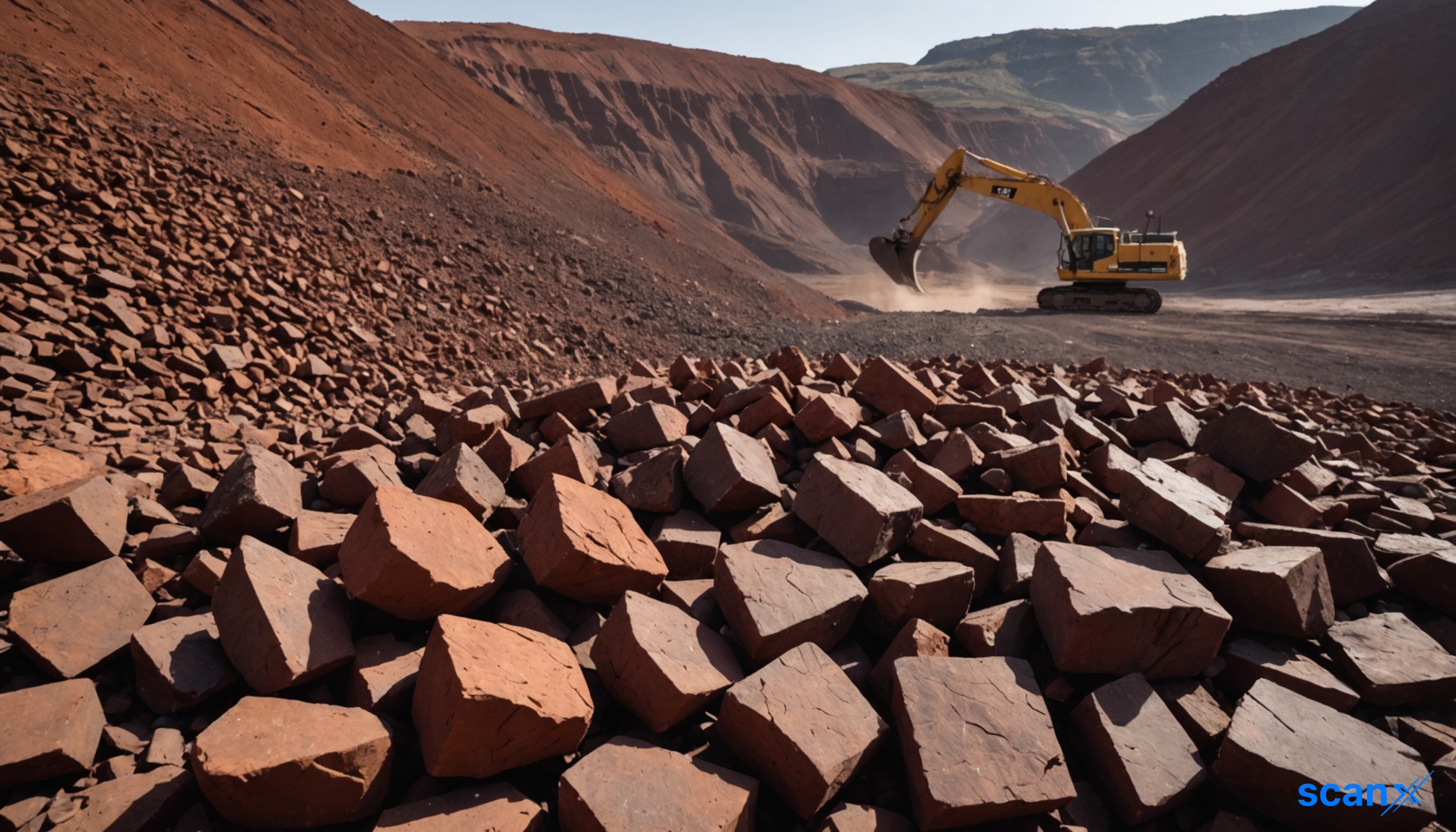

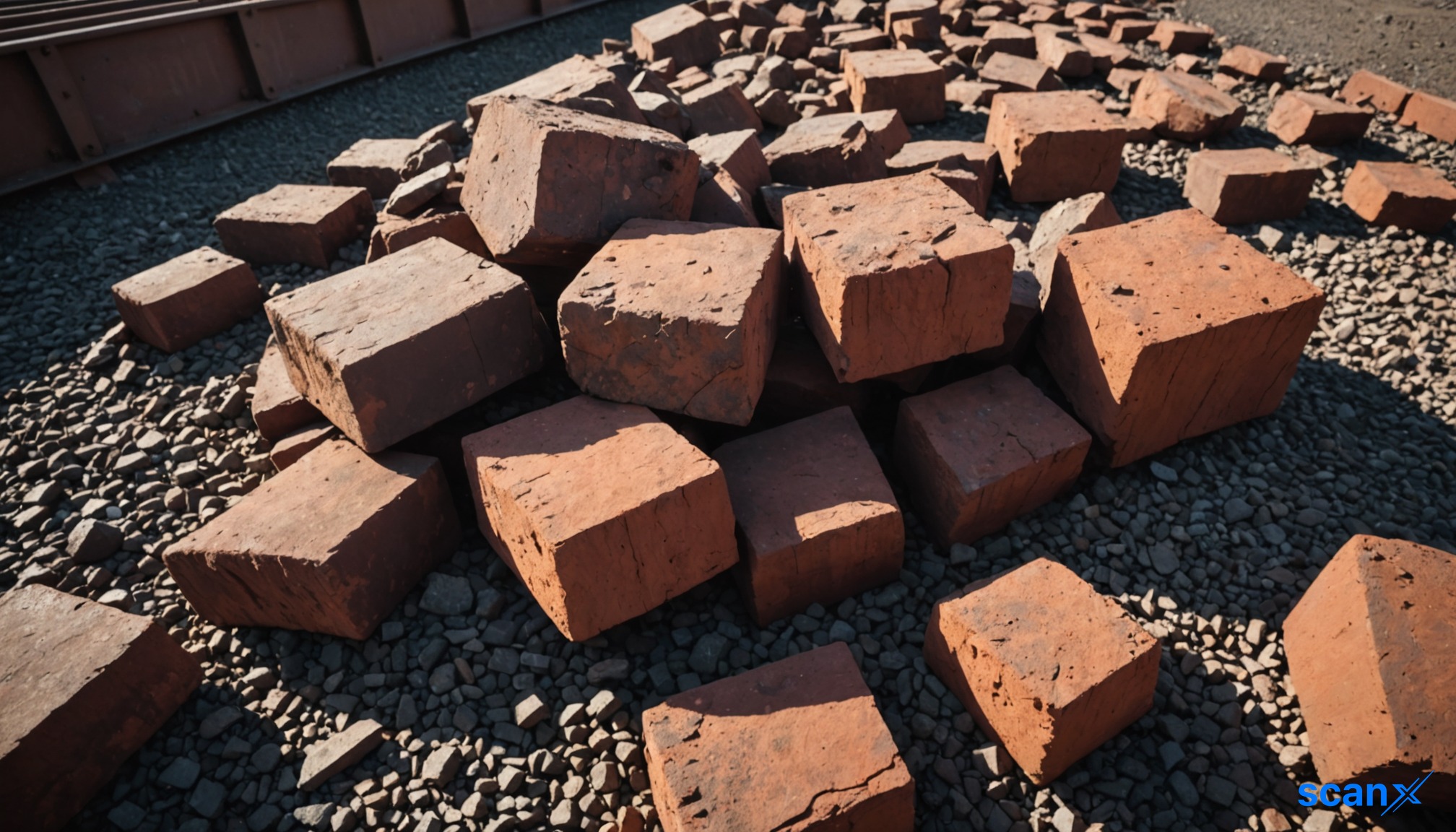
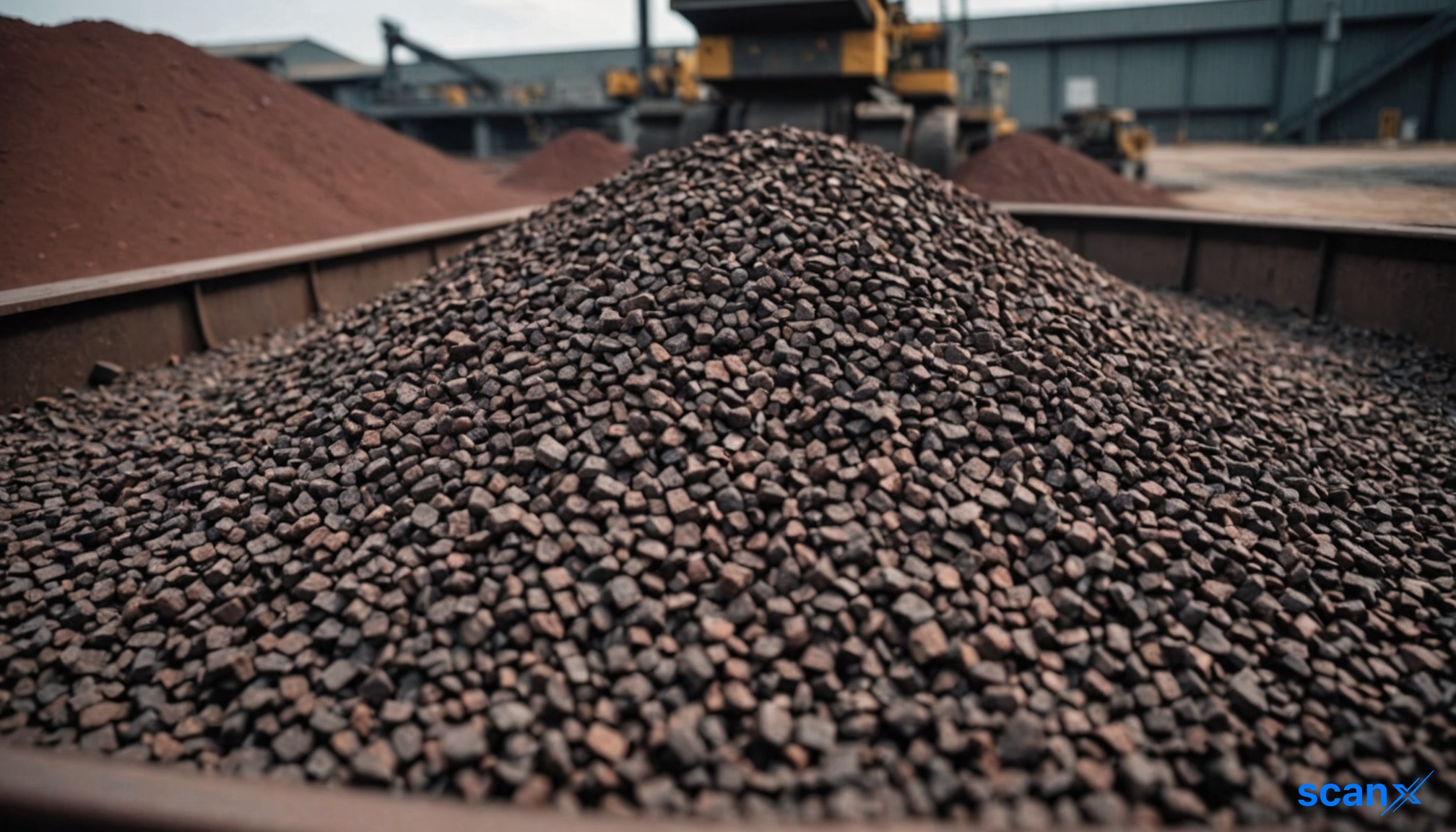
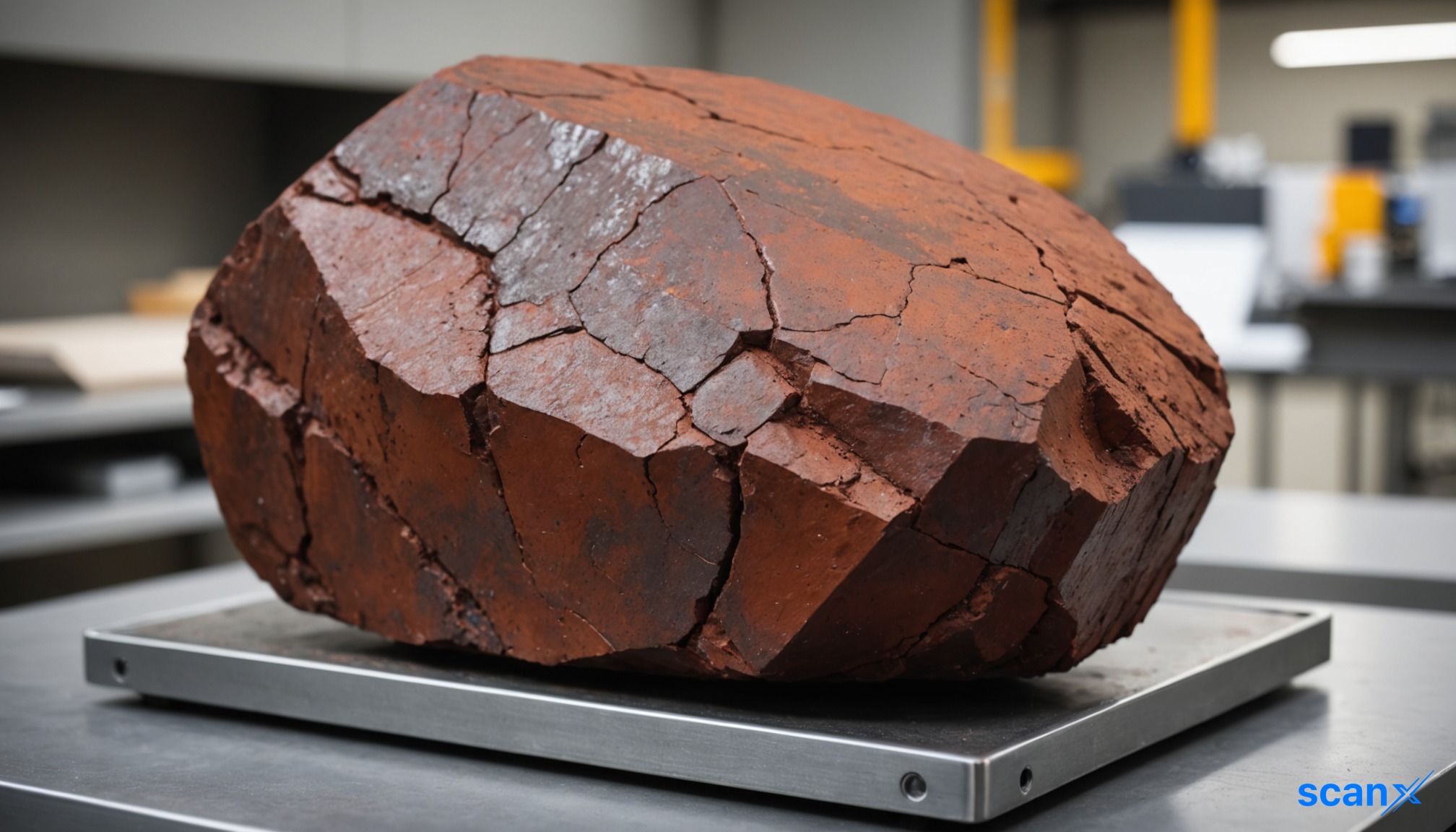
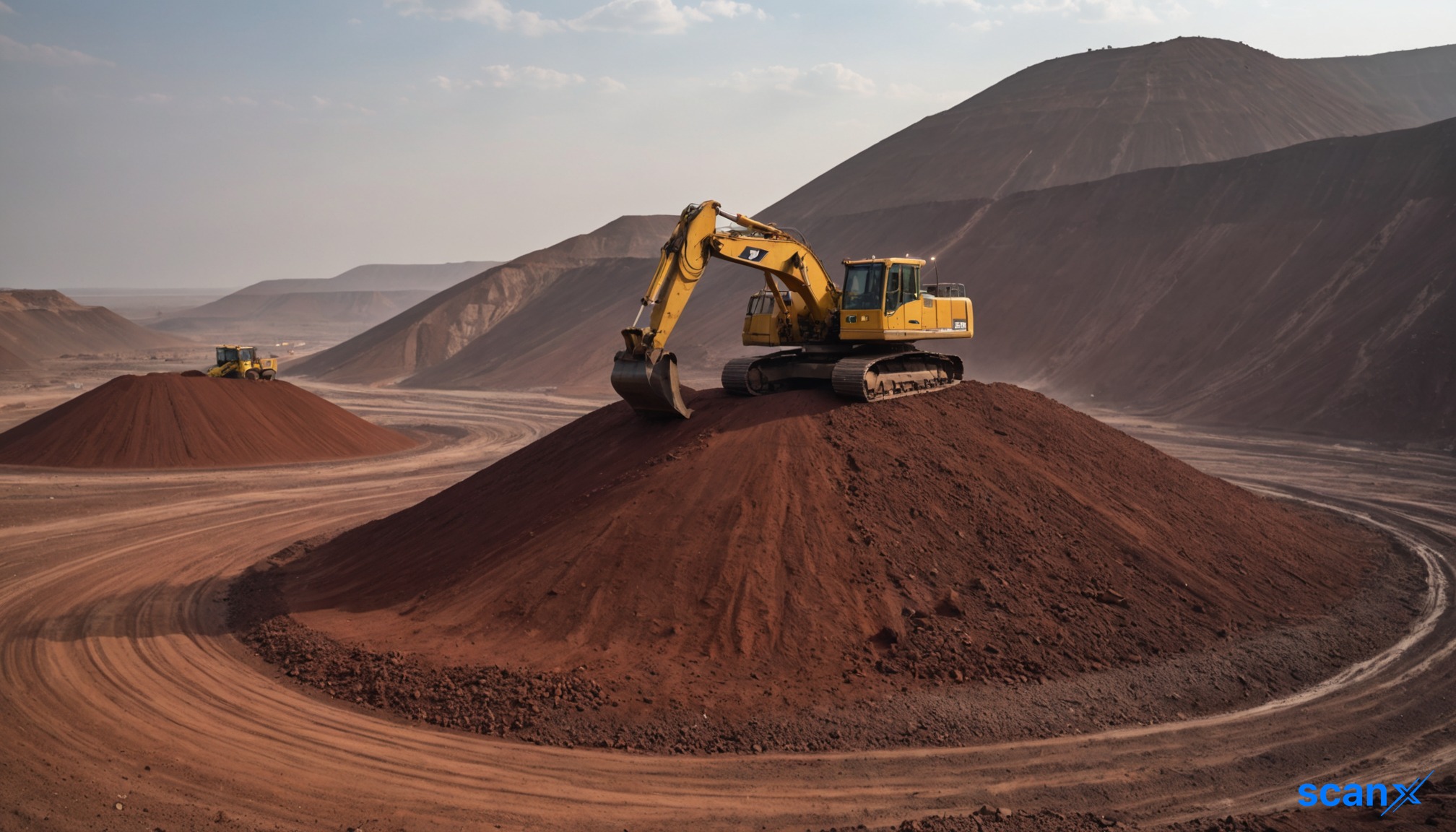
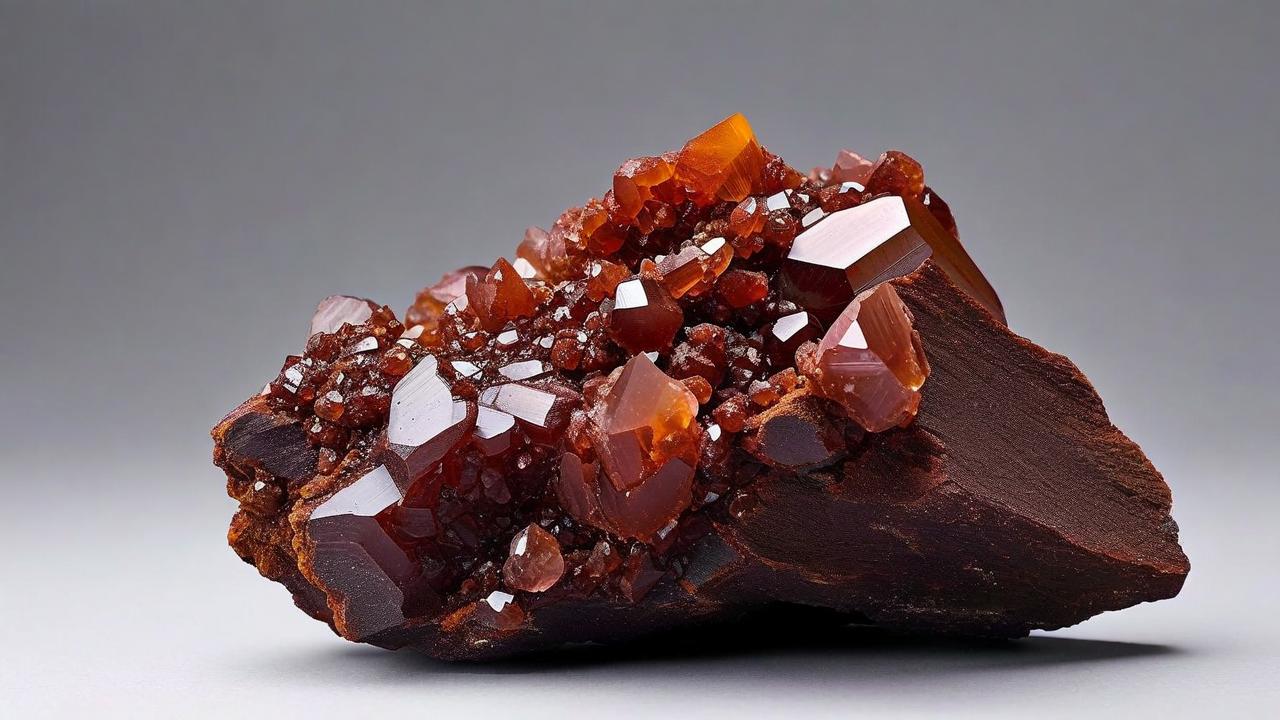
*this image is generated using AI for illustrative purposes only.
NMDC reported year-to-date iron ore production of 27.27 million tonne, a 22.8% rise compared to the corresponding period last year. This significant growth highlights the state-owned miner's expanding operational capacity.
Production performance
The September output figure marks a notable year-over-year improvement for NMDC, India's largest iron ore producer. The company produced 4.04 million tonne in September, reflecting a 7.7% rise in monthly volume. The substantial increase in cumulative output underscores sustained mining activity and improved throughput during the fiscal year to date.
| Metric | Period | Value | Change (YoY) |
|---|---|---|---|
| Iron ore production | September | 4.04 million tonne | +7.7% |
| Iron ore production | Year-to-date | 27.27 million tonne | +22.8% |
Sales and regional breakdown
While production volumes expanded, provisional sales data reveals a divergence in performance. Monthly sales in September stood at 3.51 million tonne, a decline from 3.88 million tonne in September 2025. Cumulative sales up to September 2026 remained unchanged at 22.23 million tonne, matching the figures from the previous year despite the surge in mining output.
Regional data indicates that Chhattisgarh operations drove the majority of the production increase, contributing 18.92 million tonne year-to-date, up from 14.78 million tonne last year. Karnataka operations also saw growth, with YTD production rising to 8.35 million tonne from 7.42 million tonne. However, Karnataka sales dipped to 5.81 million tonne YTD from 7.10 million tonne previously, while Chhattisgarh sales grew modestly to 16.42 million tonne from 15.13 million tonne.
| Sector | Sep 2026 Production (MT) | Sep 2025 Production (MT) | Sep 2026 Sales (MT) | Sep 2025 Sales (MT) |
|---|---|---|---|---|
| Chhattisgarh | 2.50 | 2.49 | 2.13 | 2.58 |
| Karnataka | 1.54 | 1.26 | 1.38 | 1.30 |
| Total | 4.04 | 3.75 | 3.51 | 3.88 |
Key highlights
- Year-to-date iron ore production reached 27.27 million tonne, up 22.8%
- Monthly production in September stood at 4.04 million tonne, up 7.7%
- Year-to-date sales remained flat at 22.23 million tonne
- Chhattisgarh accounted for the bulk of the production increase with 4.14 million tonne additional output YTD
What the Numbers Show
The divergence between the single-month growth rate (7.7%) and the year-to-date growth rate (22.8%) suggests that the acceleration in production occurred primarily in the months preceding September. The YTD figure indicates a much stronger cumulative performance than the recent monthly trend alone would suggest, pointing to robust operational execution earlier in the fiscal period.
Furthermore, the stagnation in year-to-date sales (22.23 million tonne) against a 22.8% rise in production creates an inventory build-up scenario. The gap between YTD production (27.27 million tonne) and YTD sales (22.23 million tonne) has widened significantly compared to the previous year, where production and sales were more closely aligned or sales slightly exceeded production in certain months. This indicates that increased mining throughput has not yet translated into proportional revenue realization through sales volume.
Historical Stock Returns for NMDC
| 1 Day | 5 Days | 1 Month | 6 Months | 1 Year | 5 Years |
|---|---|---|---|---|---|
| -2.48% | -8.98% | -13.97% | -2.14% | -2.24% | +121.94% |

How will the widening inventory gap between production and sales impact NMDC's working capital and cash flow in the coming quarters?
What specific demand-side factors or pricing pressures are causing the stagnation in sales volumes despite the 22.8% surge in iron ore production?
Is the significant inventory build-up in Karnataka indicative of logistical bottlenecks or a structural decline in regional steel demand?







 Create Custom Screeners
  Access 200+ Pre-built Filters
  Use 50+ Readymade Screener





