

Milky Mist Q1FY27 net profit up 890% to ₹64.68 crore


- Net profit surged 890% YoY to ₹64.68 crore in Q1FY27
- Revenue rose 43.6% to ₹973.45 crore on volume and price gains
- EBITDA margin expanded to 14.88% from 12.24% in prior year
- Yogurt sales jumped 153% as key growth driver

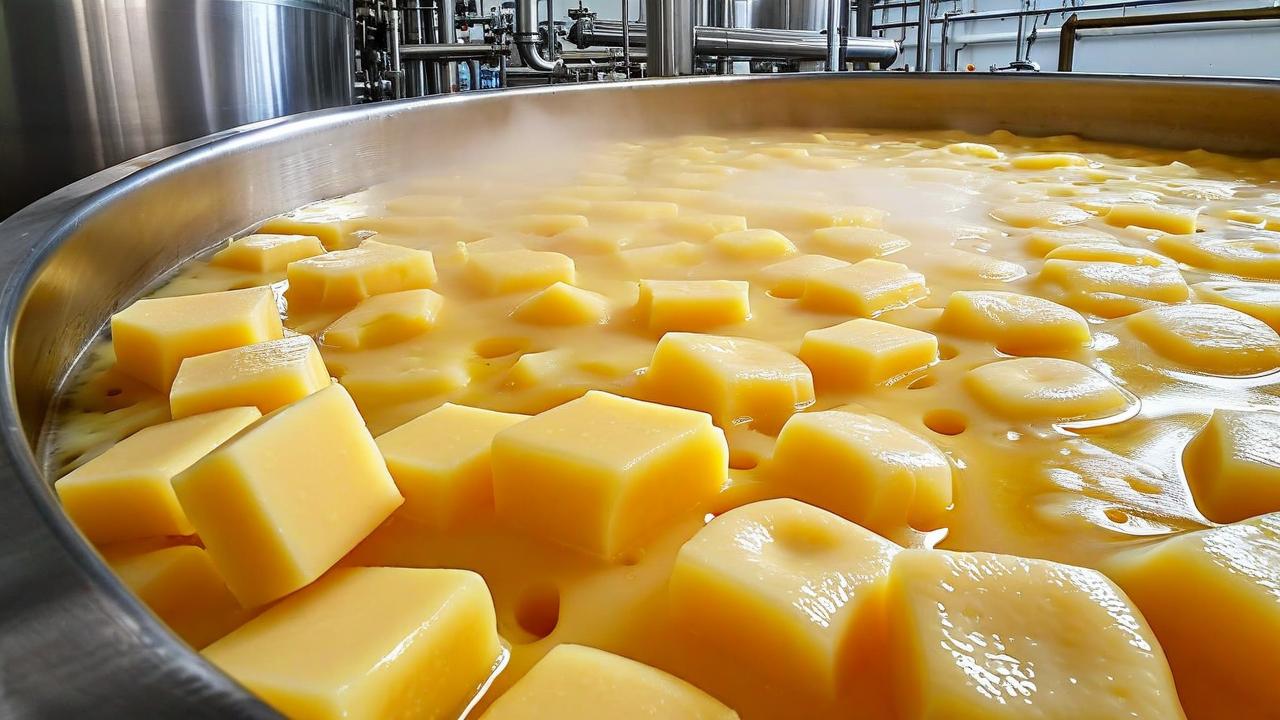

*this image is generated using AI for illustrative purposes only.
Milky Mist Dairy Food Limited reported a ₹64.68 crore net profit for Q1FY27, marking an 890% year-on-year increase from the previous period's ₹6.53 crore. Revenue from operations surged 43.6% to ₹973.45 crore, driven by volume growth, improved product mix, and pricing power.
The company, which listed on Indian stock exchanges in August 2026, utilized its IPO proceeds to deleverage and expand capacity. In Q1FY27, Milky Mist commissioned a new cheddar cheese plant with an installed capacity of 120 MT/day, supporting its strategy to scale high-growth categories.
Financial Performance
Revenue growth was broad-based across key product categories. Paneer revenue rose 34% to ₹248.29 crore, while cheese sales grew 38% to ₹137.12 crore. Yogurt emerged as a significant growth driver, surging 153% to ₹84.52 crore. Ice cream revenue also expanded 60% to ₹102.25 crore. The curd category recorded a 27% YoY growth, contributing to the strong performance of the summer portfolio.
Gross profit expanded 56.1% to ₹333.02 crore, lifting the gross margin to 34.21% from 31.46% in Q1FY26. EBITDA grew 74.5% to ₹144.89 crore, with the margin widening to 14.88% from 12.24% in the prior year quarter. This operating leverage contributed significantly to the bottom-line improvement.
| Metric | Q1FY27 | Q1FY26 | YoY Change |
|---|---|---|---|
| Revenue from Operations | ₹973.45 crore | ₹678.09 crore | +43.6% |
| Gross Profit | ₹333.02 crore | ₹213.34 crore | +56.1% |
| EBITDA | ₹144.89 crore | ₹83.02 crore | +74.5% |
| Profit After Tax | ₹64.68 crore | ₹6.53 crore | +890% |
What the Numbers Show
The sharp divergence between top-line growth and profit expansion highlights the impact of operating leverage. While revenue increased by 43.6%, EBITDA grew at nearly twice that rate (74.5%), indicating that fixed costs were spread over a larger sales base. Furthermore, the PAT margin jumped from 0.96% to 6.64%, suggesting that the company is moving past its break-even threshold on a quarterly basis as scale efficiencies kick in.
Strategic Developments
Milky Mist continues to invest in capacity expansion to meet rising demand. The company increased paneer capacity from 72 MT/day to 192 MT/day in June 2025. Additionally, it is expanding cheddar cheese capacity from 15.6 MT/day to 120 MT/day. The firm also raised ₹1,553 crore through its IPO, with proceeds allocated toward repaying borrowings (₹496.9 crore), expanding manufacturing facilities (₹469.2 crore), and general corporate purposes.
Management Commentary
Dr. K Rathnam, Wholetime Director and Chief Executive Officer, stated that the gross profit expansion was primarily driven by higher volume growth, improved product mix, and pricing ability. He noted that the summer portfolio, comprising ice creams, curd, and yogurt, recorded strong YoY growth due to an extended summer season, particularly across Southern India. The company aims to drive profitable growth through portfolio expansion, operating discipline, and investments in manufacturing and distribution capabilities.
Market Presence
The company maintains a pan-India presence across 22 states and five union territories. Tamil Nadu remains the largest market, contributing 26% of net sales, followed by Karnataka at 24%. General trade accounts for 33% of sales, while modern trade and e-commerce platforms contribute 21% and 19%, respectively.
Historical Stock Returns for Milky Mist Dairy Food
| 1 Day | 5 Days | 1 Month | 6 Months | 1 Year | 5 Years |
|---|---|---|---|---|---|
| +3.32% | -7.19% | +6.24% | +122.18% | +122.18% | +122.18% |

How sustainable is the current pricing power in the dairy sector given potential raw material cost inflation and competitive pressure from unorganized players?
Will the aggressive capacity expansion in cheddar cheese and paneer lead to overcapacity risks if demand growth normalizes after the seasonal summer surge?
How might the company's heavy reliance on Southern Indian markets (50% combined) impact its resilience to regional climate variations or localized economic slowdowns?
 15
15









 Access 50+ Readymade Screeners
  Use 200+ Custom Filters
  Get Full Market Insights





