

Milky Mist Dairy Food seeks approval for ESOP ratification and remuneration


- Milky Mist Dairy Food seeks shareholder approval for ESOP 2025 ratification and vesting modifications
- Proposed remuneration for CMD Sathishkumar T is ₹65 lakh per month; CEO Dr. K Rathnam gets ₹40 lakh per month
- Net profit for FY26 rose to ₹12,515.19 lakh from ₹4,376.40 lakh in FY25
- Remote e-voting for postal ballot ends on November 6, 2026

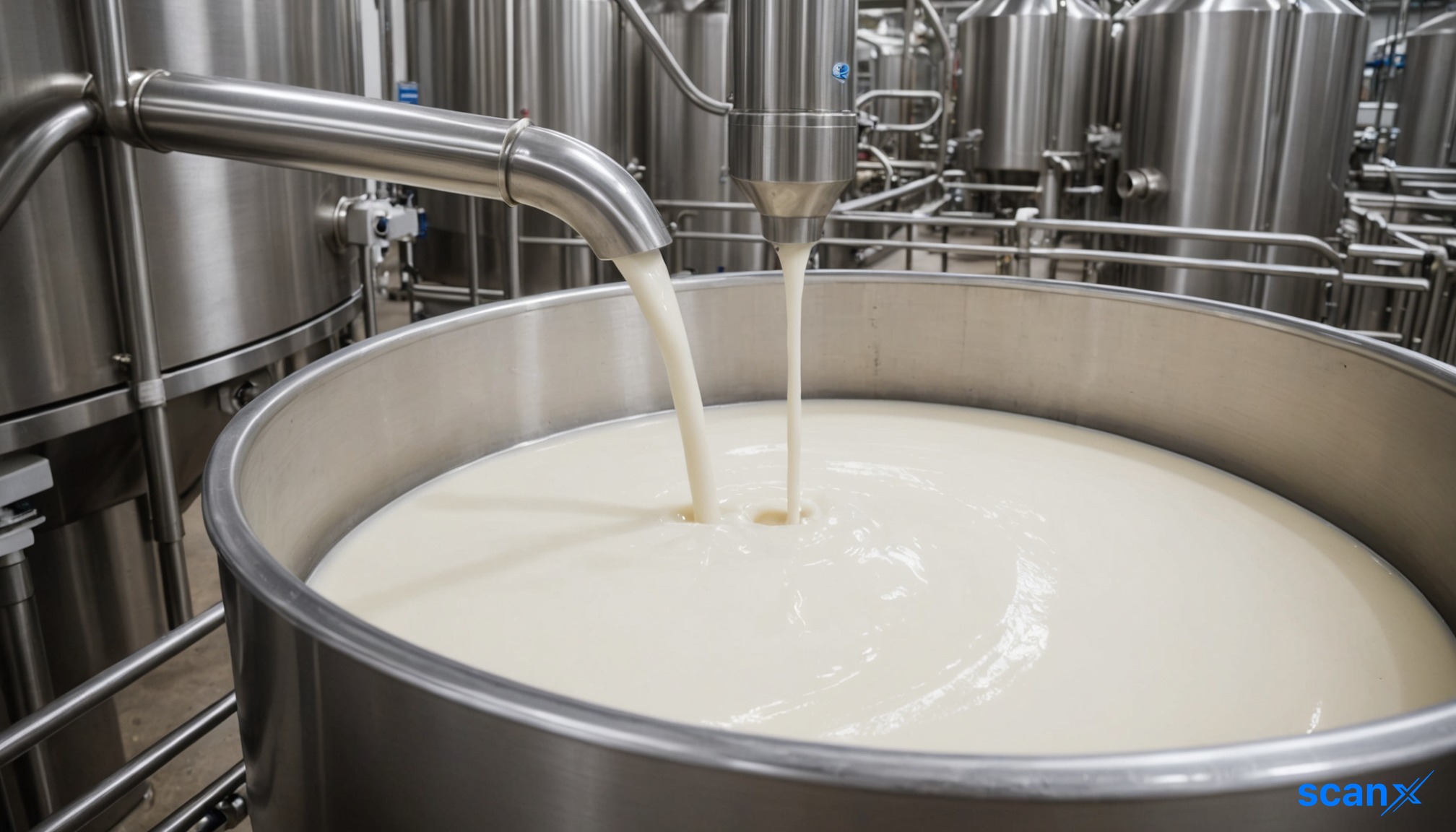

*this image is generated using AI for illustrative purposes only.
Milky Mist Dairy Food Limited has issued a postal ballot notice seeking shareholder approval for six special resolutions. The proposals include the ratification of its Employee Stock Option Scheme 2025, modification of existing grant vesting schedules, amendment to Articles of Association, and approval of managerial remuneration for key executives.
The company completed its initial public offering (IPO) and listed on BSE and NSE on August 18, 2026. Consequently, SEBI Listing Regulations now apply, necessitating specific shareholder approvals for promoter remuneration and post-IPO ESOP compliance.
ESOP Ratification and Vesting Modifications
The board seeks to ratify the "Milky Mist Dairy Food - Employee Stock Option Scheme 2025" (ESOP 2025), originally approved prior to the IPO. Under Regulation 12(1) of the SEBI (Share Based Employee Benefits and Sweat Equity) Regulations, 2021, fresh grants under pre-IPO schemes require post-listing ratification. The scheme allows for the creation of up to 1 crore options convertible into equity shares of face value ₹2 each.
Additionally, the company proposes modifying the vesting schedule for a grant of 16,64,836 options made on July 18, 2025. The original four-year vesting period will be reduced to two years for unvested options. The revised schedule allocates 45% of the balance options upon shareholder approval and 35% on July 21, 2027. As of the notice date, 3,32,967 options have vested, while 13,31,869 remain unvested.
Remuneration Approvals
Approval is sought for the remuneration of Mr. Sathishkumar T, Chairman and Managing Director, and Dr. K Rathnam, Whole-time Director and CEO. This is required as their annual remuneration exceeds thresholds prescribed under Regulation 17(6)(e)(i) of the SEBI Listing Regulations and Section 197 of the Companies Act, 2013.
Mr. Sathishkumar T’s proposed monthly gross remuneration is ₹65 lakh, with an additional fixed annual payment equivalent to one month’s gross remuneration. Dr. K Rathnam’s monthly gross remuneration is proposed at ₹40 lakh, effective July 1, 2026, up from ₹20.10 lakh previously. Both resolutions include provisions for minimum remuneration in case of inadequate profits.
A separate resolution seeks approval for aggregate managerial remuneration exceeding 10% of net profits, applicable to all three Executive Directors: Mr. Sathishkumar T, Ms. Anitha S, and Dr. K Rathnam.
Amendment to Articles of Association
The company proposes deleting 'Part B' of its Articles of Association. These provisions were linked to special rights under Shareholders' Agreements that automatically terminated upon the IPO listing date. With those agreements no longer in force, the associated special rights, including board nomination and transfer restrictions, are obsolete.
Voting Schedule
The remote e-voting process commenced on October 8, 2026, and will conclude on November 6, 2026. The cut-off date for determining eligible shareholders was October 2, 2026. Results will be declared on or before November 9, 2026.
What the Numbers Show
The financial disclosures accompanying the remuneration request highlight significant growth in FY26 compared to FY25. Sales (including other income) rose from ₹2,33,332.78 lakh in FY25 to ₹3,14,342.46 lakh in FY26. Net profit after tax more than doubled, increasing from ₹4,376.40 lakh to ₹12,515.19 lakh. Basic EPS improved from ₹0.69 to ₹1.96 per share. The substantial jump in net profit supports the justification for higher managerial remuneration, although the company notes that ongoing project expansion activities may impact profitability in certain periods.
Historical Stock Returns for Milky Mist Dairy Food
| 1 Day | 5 Days | 1 Month | 6 Months | 1 Year | 5 Years |
|---|---|---|---|---|---|
| +5.00% | +1.29% | +26.45% | +128.00% | +128.00% | +128.00% |

How might the accelerated vesting of ESOPs in 2027 impact Milky Mist's share price volatility and potential dilution for minority shareholders?
Will the proposed managerial remuneration exceeding 10% of net profits trigger scrutiny from institutional investors or proxy advisory firms regarding corporate governance standards?
What specific capital expenditure plans are driving the ongoing project expansions that management warns may compress profitability margins in the near term?
 19
19










 Create Custom Screeners
  Access 200+ Pre-built Filters
  Use 50+ Readymade Screener





