

Visagar Polytex files scheme for 99% capital cut and ₹6 crore raise


- Visagar Polytex files composite scheme for 99% capital reduction to write off ₹30.89 crore in accumulated losses
- Company proposes ₹6 crore preferential issue via equity shares and warrants to fund revival at Pali, Rajasthan
- Face value of shares reduced to ₹0.01 then consolidated 100:1 to restore ₹1 face value
- Promoter stake expected to rise to 22.37% post-allotment, up from 5.63% currently
- Shareholders approved the scheme at AGM with 99.16% votes in favor

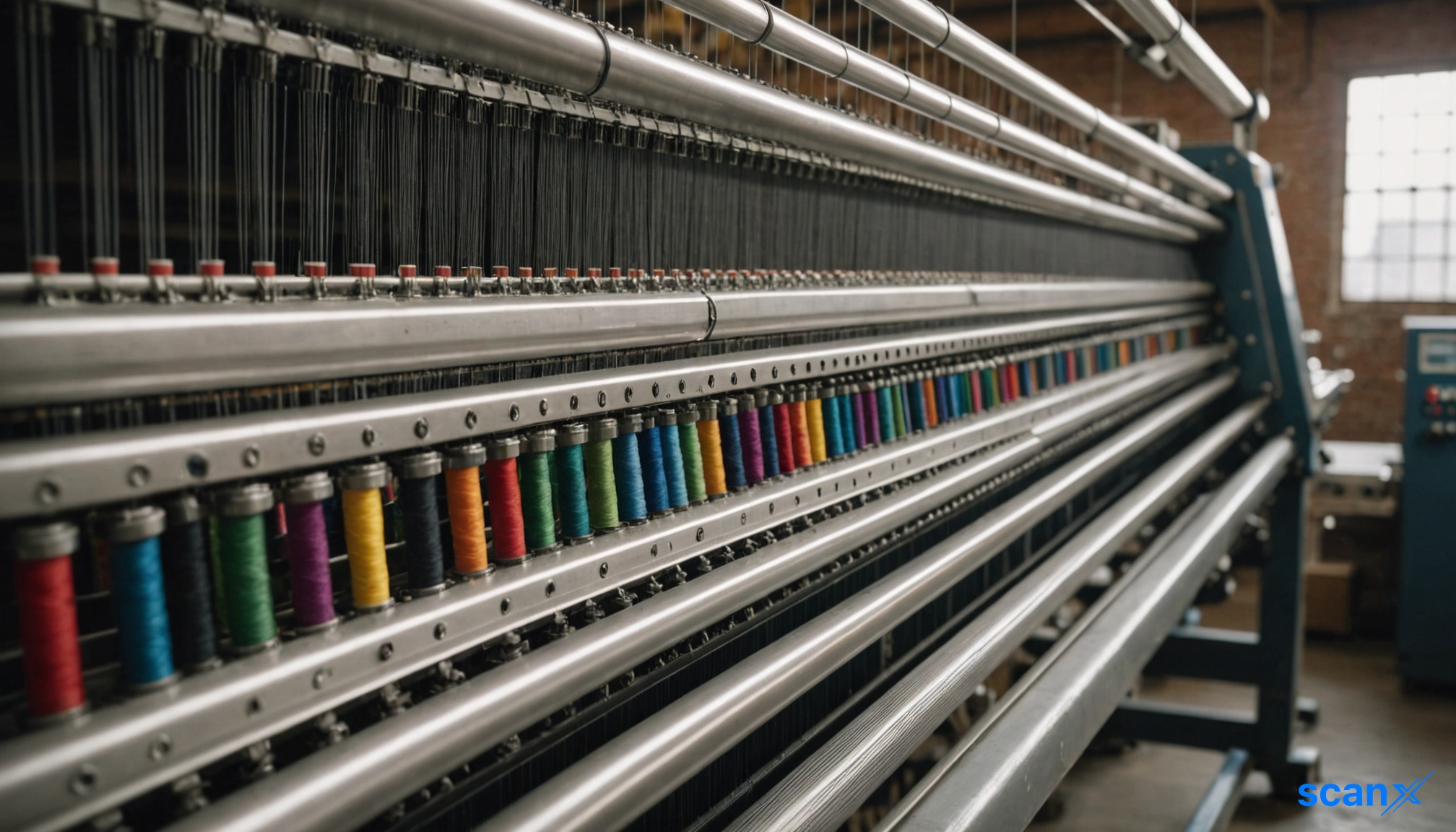

*this image is generated using AI for illustrative purposes only.
Visagar Polytex Limited has submitted a Composite Scheme of Arrangement to stock exchanges, proposing a 99% reduction in share capital followed by a fresh capital infusion of approximately ₹6 crore.
The filing, made under Regulation 30 of SEBI (LODR) Regulations, 2015, details a restructuring plan involving the reduction of paid-up share capital from ₹29.27 crore to ₹29.27 lakh, alongside the issuance of preferential equity shares and warrants. This move follows the shareholders' approval of the scheme at the 43rd Annual General Meeting held on September 30, 2026.
Scheme Structure and Capital Restructuring
The proposed scheme aims to align the company's capital structure with its net assets by writing off accumulated losses of ₹30.89 crore as of March 31, 2026. The reduction involves writing off ₹28.97 crore from the paid-up share capital and ₹1.21 crore from the Share Forfeiture Account.
Upon implementation, the face value of equity shares will be reduced from ₹1 to ₹0.01 per share. Subsequently, a consolidation ratio of 100:1 will be applied to restore the face value to ₹1 per share. Post-reduction, the issued, subscribed, and paid-up share capital will stand at ₹29.27 lakh, divided into 29.27 lakh equity shares.
Preferential Issue and Revival Plan
Immediately following the capital reduction, Visagar Polytex proposes to raise fresh capital through a preferential allotment:
- Cash Preferential Equity Shares: 3 crore shares at ₹1 each, totaling ₹3 crore.
- Preferential Warrants: 3 crore warrants at ₹1 each, totaling ₹3 crore.
The aggregate potential fresh capital is approximately ₹6 crore. Funds are earmarked for reducing financial indebtedness and supporting working capital for the revived textile trading and processing operations at Pali, Rajasthan. The company commenced pilot operations in FY26 with a turnover of ₹11.51 lakh, marking a shift from nil revenue in FY25.
Shareholding Impact
The scheme is designed to maintain proportional shareholding among existing shareholders while diluting their percentage stake due to the new issuance. Promoter holding is projected to rise from 5.63% to 22.37% post-equity allotment, primarily through subscriptions by Sagar Tilokchand Kothari and Trisha Studios Limited.
| Particulars | Pre-Allotment (Post-Reduction) | Post-Equity Allotment | Fully Diluted (Post-Warrant Conversion) |
|---|---|---|---|
| Total Equity Shares | 29,27,005 | 3,29,27,005 | 6,29,27,005 |
| Promoter Holding (%) | 5.63% | 22.37% | 23.15% |
| Public Holding (%) | 94.37% | 77.63% | 76.85% |
What the Numbers Show
The combined data reveals a stark contrast between shareholder approval and financial reality. While the AGM saw 99.16% support for the composite scheme, the underlying financials indicate severe distress. Accumulated losses of ₹30.89 crore exceed the current paid-up capital of ₹29.27 crore, necessitating the 99% write-off. The modest ₹6 crore raise represents a small fraction relative to historical losses but is critical for the immediate liquidity needs of the nascent Pali operations, which generated only ₹11.51 lakh in revenue during FY26.
Source: https://lodr-files.dhan.co/lodr-inputs/Company/INE370E01029/d7edb6e7-2baa-4781-8061-59f70e070c80.pdf
Historical Stock Returns for Visagar Polytex
| 1 Day | 5 Days | 1 Month | 6 Months | 1 Year | 5 Years |
|---|---|---|---|---|---|
| +1.96% | 0.0% | 0.0% | +10.64% | -35.00% | -35.00% |

What specific operational milestones must Visagar Polytex achieve at its Pali facility to justify the ₹6 crore capital infusion and demonstrate sustainable revenue growth beyond the initial ₹11.51 lakh turnover?
How will the significant dilution of public shareholding from 94.37% to 76.85% impact the stock's liquidity profile and potential for future institutional investor participation?
Given the accumulated losses of ₹30.89 crore, what is the projected timeline for the company to return to profitability, and are there additional funding rounds planned if the initial ₹6 crore proves insufficient?
 18
18





 Access 50+ Readymade Screeners
  Use 200+ Custom Filters
  Get Full Market Insights





