

Meta CFO says infrastructure plans target 2026-27 amid tight capacity


Meta Platforms Inc.'s CFO stated on a conference call that infrastructure plans are geared toward maximizing 2026 and 2027 capacity due to tight industry supply. The company believes it holds distribution advantages regardless of model frontier status.



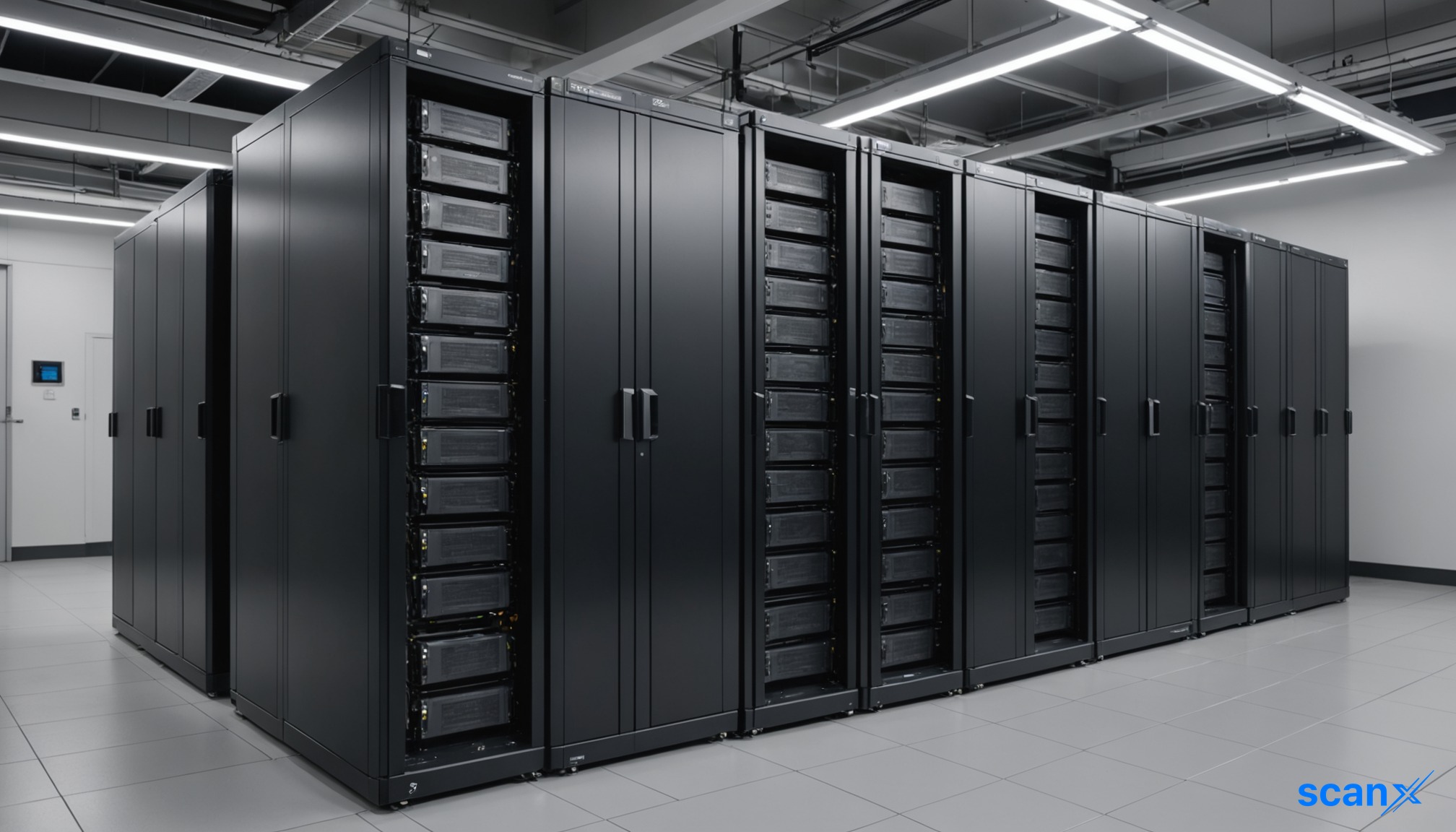
*this image is generated using AI for illustrative purposes only.
Meta Platforms Inc.'s Chief Financial Officer stated during a recent conference call that the company's current infrastructure plans are specifically geared toward maximizing capacity in 2026 and 2027. The executive noted that overall industry capacity is expected to remain tight for the foreseeable future, reinforcing the strategic importance of securing near-term operational readiness. This focus on the immediate medium-term horizon reflects a pragmatic approach to capital allocation amidst constrained supply conditions.
Strategic Outlook
The CFO’s remarks clarify that while longer-term capacity usage scaling curves are harder to predict, Meta believes it maintains distribution advantages regardless of whether its models are on the frontier. This perspective suggests that the company is prioritizing flexibility and immediate utility over extended asset horizons where demand patterns are less certain. By anchoring its planning to the 2026 and 2027 period, Meta signals a preference for deploying capital into assets that can be utilized quickly in a tight market.
What the Numbers Show
While specific financial figures regarding capital expenditure were not detailed in the transcript, the qualitative shift in valuation metrics is significant. The emphasis on near-term capacity being more valuable than long-term capacity highlights a dynamic approach to infrastructure planning. Investors should monitor subsequent filings for changes in capital expenditure guidance or depreciation schedules that might reflect this preference for short-term asset value and the anticipated tightness in industry supply.

How might Meta's focus on 2026-2027 capacity constrain its ability to pivot if a breakthrough in AI model efficiency occurs before then?
Which specific semiconductor or infrastructure suppliers are likely to benefit most from Meta's accelerated near-term capital deployment?
Could this pragmatic, short-term asset strategy signal a broader shift in Big Tech's approach to AI infrastructure valuation?
 16
16














 Create Custom Screeners
  Access 200+ Pre-built Filters
  Use 50+ Readymade Screener





