Adani Ports & SEZ cargo volume rises 11% YoY to 46 MMT in Sep'26

scanx
Reviewed by
Suketu GScanX News Team
Key Highlights
  • Cargo volume reached 46 MMT in Sep'26, up 11% YoY
  • Container volumes drove growth with a 15% YoY rise
  • H1 FY27 total cargo stood at 280 MMT, up 15% YoY
  • Logistics rail volumes fell 13% YoY in H1 FY27
powered bylight_fuzz_icon
52461182

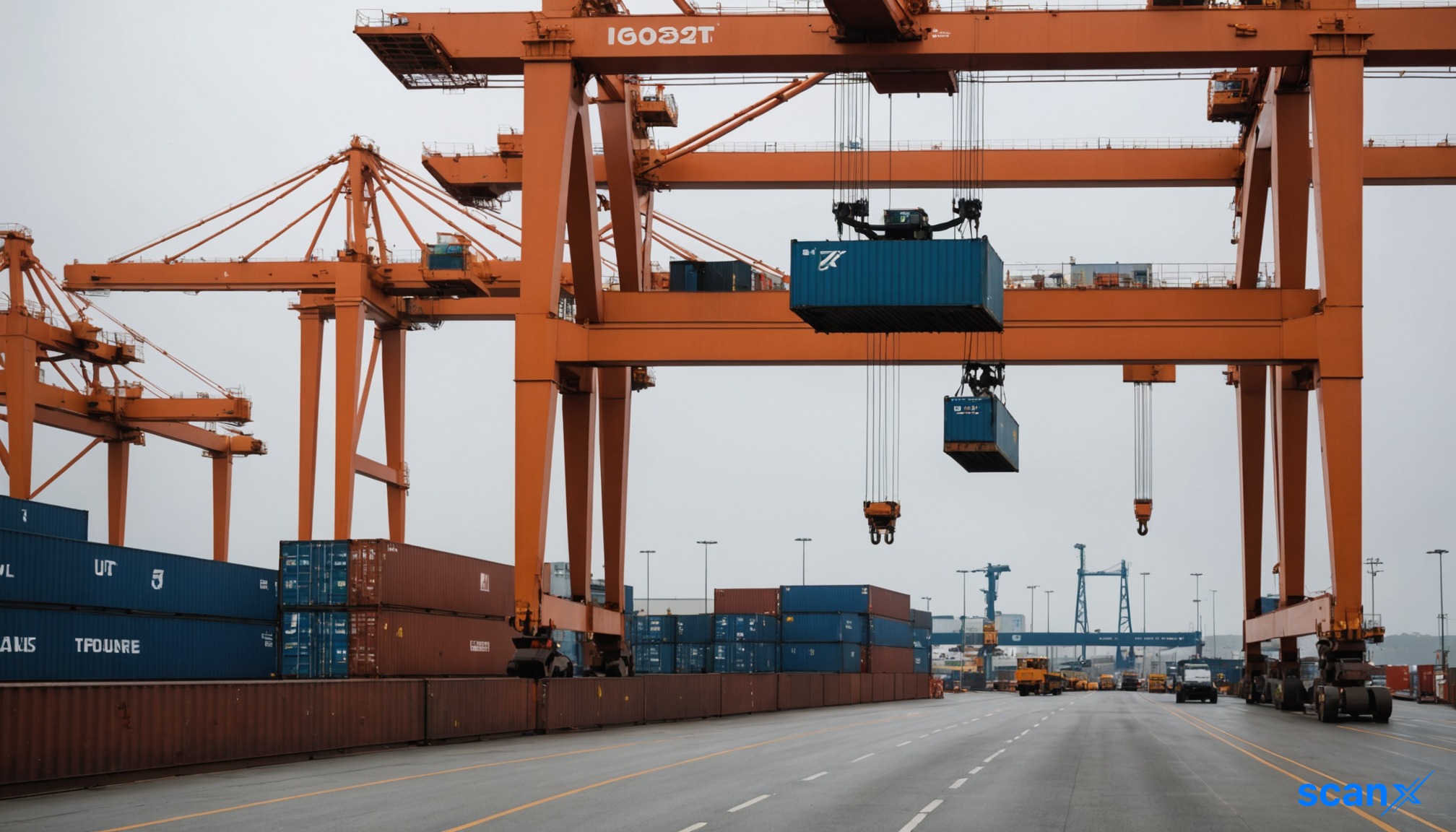
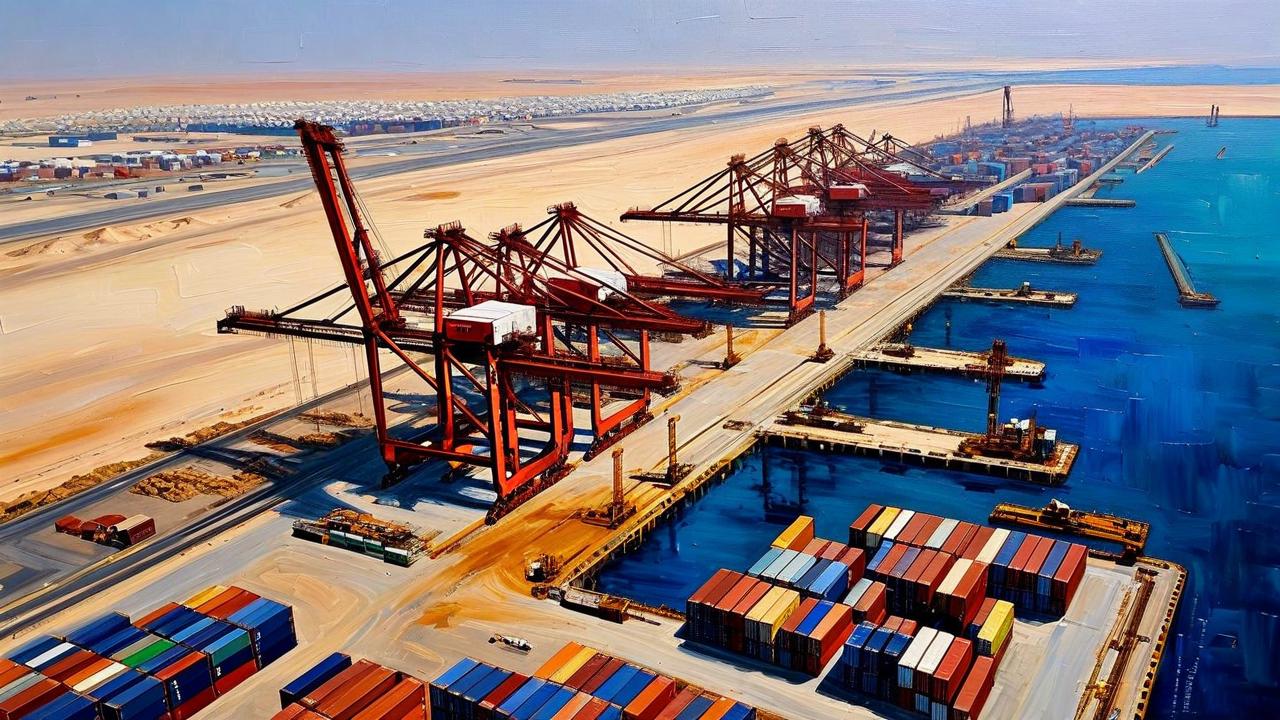
*this image is generated using AI for illustrative purposes only.

Adani Ports & SEZ handled 46 MMT of cargo in September 2026, registering an 11% year-on-year (YoY) growth. The increase was primarily led by a 15% YoY rise in container volumes.

For the first half of fiscal year 2027 (H1 FY27), the company clocked total cargo volumes of 280 MMT, marking a 15% YoY increase. This performance was supported by strong growth in both containers and dry cargo, each expanding 15% YoY during the period.

Logistics rail performance

While port volumes showed robust growth, logistics rail operations presented a mixed picture. In September 2026, logistics rail volumes stood at 62,302 TEUs, reflecting a modest 3% YoY increase.

However, over the six-month H1 FY27 period, logistics rail volumes declined to 312,763 TEUs, representing a 13% YoY contraction. This divergence highlights differing momentum between maritime cargo handling and inland rail logistics during the reported periods.

What the numbers show

The data reveals a clear divergence between port throughput and inland logistics trends. While port cargo volumes accelerated with double-digit growth in both monthly and half-yearly metrics, logistics rail volumes contracted significantly by 13% over H1 FY27. This suggests that while maritime trade activity remained strong, the efficiency or demand for associated rail evacuation may have faced headwinds or operational shifts during the first half of the fiscal year.

Historical Stock Returns for Adani Ports & SEZ

1 Day5 Days1 Month6 Months1 Year5 Years
-3.36%-3.85%+1.77%+32.39%+23.82%+135.51%

What specific operational or regulatory factors are driving the 13% contraction in logistics rail volumes despite strong port growth?

How might the divergence between maritime throughput and inland rail efficiency impact Adani Ports' long-term margin structure?

Will the sustained 15% growth in container volumes necessitate accelerated capital expenditure on inland logistics infrastructure in FY27?

Adani Ports doubles Colombo terminal capacity to 3.2 mn TEUs

scanx
Reviewed by
Shriram SScanX News Team
Key Highlights
  • Adani Ports doubles Colombo West International Terminal capacity to 3.2 million TEUs
  • Expansion involves USD 750 million investment under a 35-year BOT concession
  • Terminal handled 2 million TEUs in first 18 months, setting a historic record
  • New capacity allows simultaneous berthing of three ultra-large container vessels
  • Project aims to capture nearly 25% of Port of Colombo's 2028 volume target
powered bylight_fuzz_icon
52343448

*this image is generated using AI for illustrative purposes only.

Adani Ports & Special Economic Zone Ltd inaugurated the Phase II expansion of its Colombo West International Terminal (CWIT), doubling the facility's capacity to 3.2 million TEUs.

The expansion involved a total investment of USD 750 million and was flagged off by Sri Lankan Prime Minister Dr Harini Amarasuriya on September 30, 2026. This move strengthens CWIT’s ambition to handle nearly 25% of the Port of Colombo’s targeted 13 million TEU capacity by 2028.

Operational milestones and capacity details

The terminal has achieved significant operational speed since its inception. It recorded a historic feat by handling 2 million TEUs within its first 18 months of operation, building on its earlier record as the fastest terminal to handle 1 million TEUs in its inaugural year in 2024.

With the new capacity, CWIT can simultaneously berth three ultra-large container vessels. The facility is Sri Lanka’s first fully automated deep-water container terminal, designed for fully electrified operations with zero tailpipe emissions.

Metric Value
Total Investment USD 750 million
New Capacity 3.2 million TEUs
Previous Capacity 1.6 million TEUs
Cargo Handled (First 18 Months) 2 million TEUs
Safe Working Hours 17 million

Strategic positioning in global trade

Ashwani Gupta, Whole-Time Director and CEO of APSEZ, stated that the capacity doubling is a direct statement of confidence from the company and global shipping lines. He noted that the expansion sharpens APSEZ’s position across key Indian Ocean trade corridors.

Krishan Balendra, Chairperson of John Keells Group, highlighted that reaching 2 million TEUs in 18 months reflects the strength of the partnership between APSEZ, John Keells Holdings, and the Sri Lanka Ports Authority. The joint venture operates under a 35-year Build-Operate-Transfer (BOT) concession.

What the numbers show

The data reveals a rapid acceleration in throughput relative to infrastructure scaling. Handling 2 million TEUs in 18 months indicates an average monthly throughput of approximately 111,000 TEUs. By doubling capacity to 3.2 million TEUs annually (approx. 266,666 TEUs per month), the terminal creates substantial headroom to accommodate larger vessel sizes and increased transshipment volumes without immediate further capital expenditure. This aligns with the strategic goal to capture a quarter of the Port of Colombo’s projected 2028 volume target.

Historical Stock Returns for Adani Ports & SEZ

1 Day5 Days1 Month6 Months1 Year5 Years
-3.36%-3.85%+1.77%+32.39%+23.82%+135.51%

How will the 3.2 million TEU capacity expansion influence Adani Ports' competitive positioning against rival Indian Ocean hubs like Singapore and Dubai?

What are the projected financial impacts on APSEZ's revenue streams as CWIT scales toward its 2028 target of handling 25% of Colombo's total volume?

To what extent does the zero-emission, fully automated design of CWIT align with emerging global maritime decarbonization regulations and ESG investment criteria?

More News on Adani Ports & SEZ

1 Year Returns:+23.82%