

K K Silk Mills suspends Umbergaon plant operations after flooding


K K Silk Mills Limited halted operations at its Umbergaon plant on July 24, 2026, due to flooding. The facility is insured, and no injuries were reported. Damage assessment is ongoing, with production expected to normalize soon. Other plants remain unaffected.


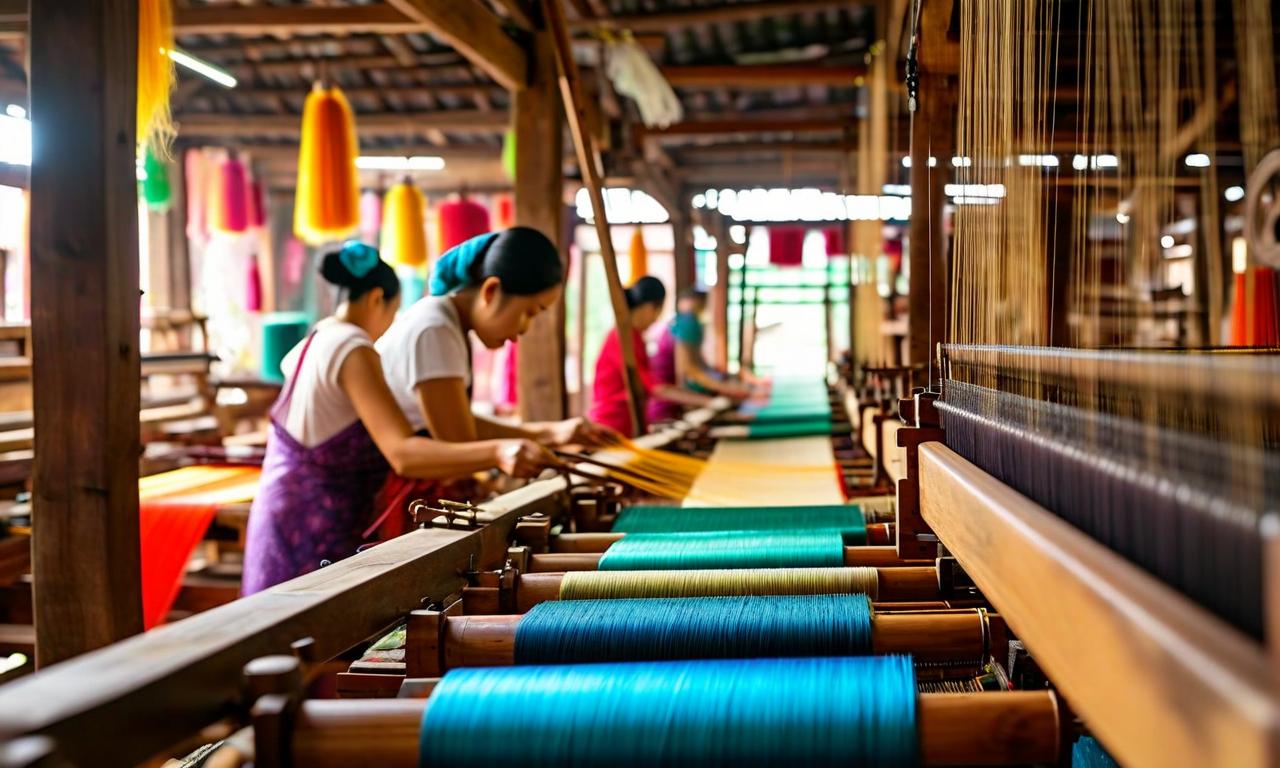
*this image is generated using AI for illustrative purposes only.
K K Silk Mills has temporarily suspended production operations at its manufacturing plant in Umbergaon, Valsad, following severe flooding that occurred on July 24, 2026. The disruption affects the facility located at Plot No. 406, Umbergaon Industrial Estate, where unprecedented heavy rains caused significant waterlogging. While operations at the company’s other manufacturing plants continue normally without impact, the financial implications of this incident cannot yet be ascertained because access to certain areas of the affected facility remains restricted.
The disclosure was made under Regulation 30 of the SEBI (Listing Obligations and Disclosure Requirements) Regulations, 2015, read with Schedule III, submitted to BSE Limited on July 25, 2026. Nilesh Kantilal Jain, Whole Time Director of K K Silk Mills Limited, signed the intimation, confirming that no casualties or injuries to life have been reported. The company stated that it is currently assessing the extent of damage to plant machinery, inventory, and other assets. Production will remain suspended until necessary restoration activities are completed and a full assessment is finalized.
Incident Details and Operational Impact
The flooding resulted from a flood-like situation in South Gujarat, leading to waterlogging that restricted access to key parts of the manufacturing unit. K K Silk Mills Limited indicated that operations are expected to gradually normalize over the next few days, barring any unforeseen circumstances. However, the estimated impact on production and the quantum of loss or damage caused by the disruption have not yet been quantified.
| Particulars | Details |
|---|---|
| Location | Survey No. 141/P, Plot No. 406, Umbergaon Industrial Estate, Umbergaon, Valsad |
| Cause | Flooding and waterlogging due to unprecedented heavy rains in South Gujarat |
| Casualties | None reported |
| Insurance Coverage | Yes, the site is fully covered under insurance policy |
| Production Status | Temporarily suspended; expected to normalize in coming days |
| Financial Impact | Not ascertainable at this stage due to restricted access |
Insurance and Assessment Process
The company confirmed that the Umbergaon site is fully covered under an insurance policy. The actual extent of the damage and the corresponding loss amount will be ascertained only after a survey is conducted. Until then, K K Silk Mills Limited cannot provide specific figures regarding property damage or production losses. The restriction on access to waterlogged areas is the primary reason for the delay in quantifying the financial impact.
What the Numbers Show
While no financial figures are available immediately, the operational continuity of K K Silk Mills Limited appears partially preserved, as other manufacturing plants are functioning normally. This suggests that the flooding event is localized to the Umbergaon facility rather than affecting the entire corporate structure. The reliance on insurance coverage mitigates immediate balance sheet risk, but the timeline for restoration will determine the duration of any revenue shortfall from this specific unit. Investors should monitor subsequent disclosures for the final survey results and the resumption date of full operations at the Umbergaon plant.
Historical Stock Returns for K K Silk Mills
| 1 Day | 5 Days | 1 Month | 6 Months | 1 Year | 5 Years |
|---|---|---|---|---|---|
| +1.54% | 0.0% | -3.15% | +0.11% | -69.70% | -69.70% |

How will the temporary suspension of the Umbergaon plant impact K K Silk Mills' ability to fulfill pending customer orders and meet delivery deadlines?
What is the expected timeline for the insurance survey team to access the site and finalize the damage assessment?
Could this localized disruption accelerate the company's strategy to diversify its manufacturing footprint across other regions to mitigate future climate-related risks?
 16
16










 Access 50+ Readymade Screeners
  Use 200+ Custom Filters
  Get Full Market Insights





