

IndusInd Bank publishes BRSR for FY26 with carbon neutral goal


IndusInd Bank Limited filed its FY2025-26 BRSR on August 5, 2026, disclosing standalone ESG metrics. The report reveals total GHG emissions of 80,254 tCO2e (Scope 1 + 2) and a workforce of 49,449 with 20.4% female representation. The bank targets carbon neutrality by FY2032 and reported ₹3.43 lakh in RBI penalties related to currency chest operations. Bureau Veritas provided assurance for the disclosures.


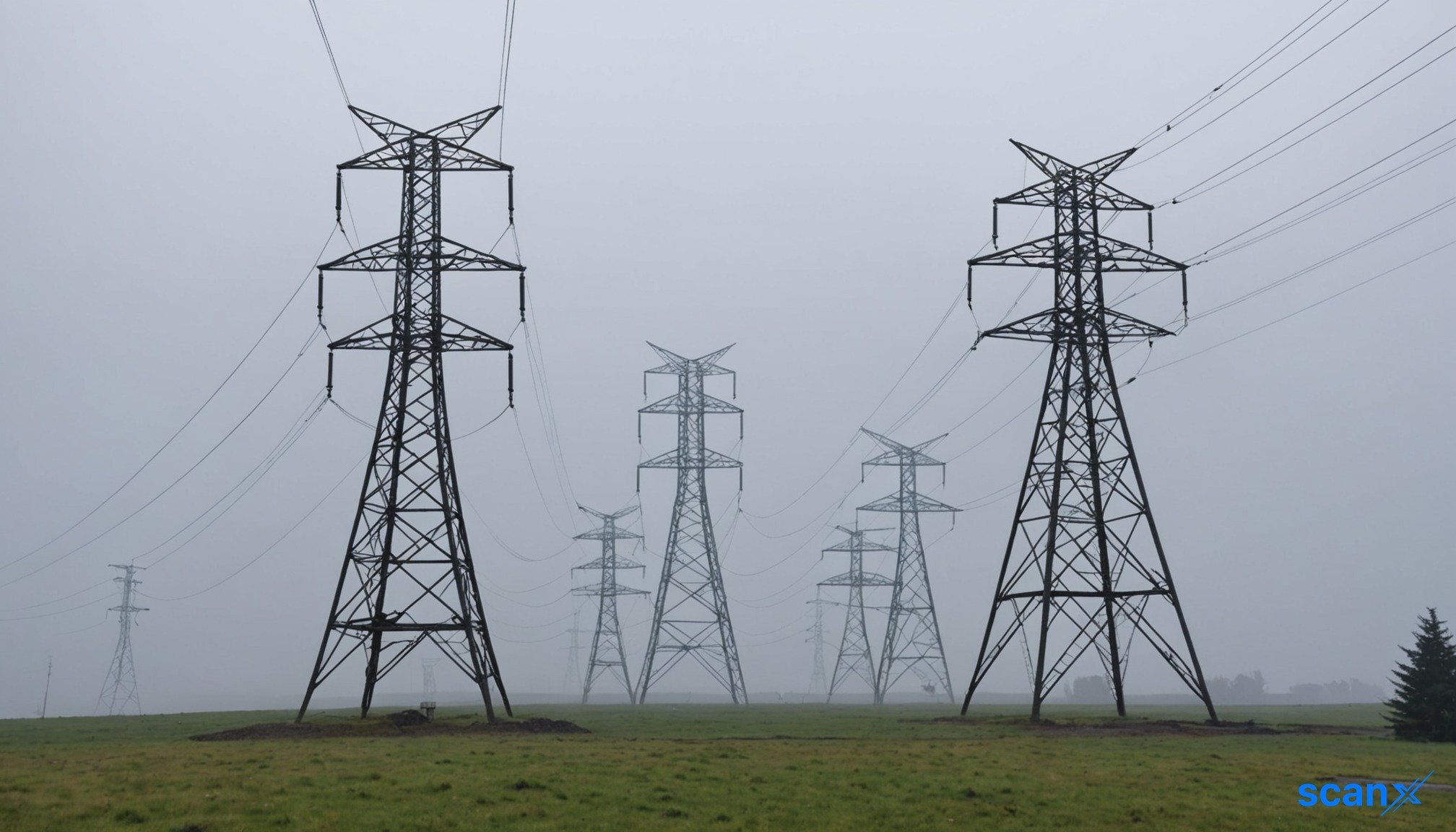
*this image is generated using AI for illustrative purposes only.
indusind bank has filed its Business Responsibility and Sustainability Report (BRSR) for FY2025-26 with the National Stock Exchange of India Ltd., BSE Ltd., and Luxembourg Stock Exchange. Filed on August 5, 2026, in compliance with Regulations 30 and 34 of the SEBI (Listing Obligations and Disclosure Requirements) Regulations, 2015, the report details the bank’s standalone environmental, social, and governance (ESG) performance. The filing underscores the institution’s strategic commitment to sustainability, notably targeting carbon neutrality by FY2032, while providing granular data on emissions, workforce demographics, and regulatory adherence.
The report discloses that IndusInd Bank’s total energy consumption for FY2025-26 was 3,37,397 GJ, comprising 5,883 GJ from renewable sources and 3,31,514 GJ from non-renewable sources. Greenhouse gas emissions stood at 21,673 tCO2e for Scope 1 and 58,581 tCO2e for Scope 2, resulting in an intensity of 3.18 tCO2e per ₹ crore of turnover. Bureau Veritas India Pvt. Ltd. provided reasonable assurance for core BRSR disclosures and limited assurance for non-core metrics.
Workforce and Social Metrics
As of the end of FY2025-26, the bank employed 49,449 individuals, including 46,694 permanent employees and 2,755 non-permanent staff. Female representation accounted for 20.4% of the total workforce. The report highlights strong safety records, with zero fatalities, zero lost-time injury frequency rates (LTIFR), and zero recordable work-related injuries for both employees and workers. Additionally, 100% of permanent employees were covered by health and accident insurance.
| Metric | FY2025-26 Value |
|---|---|
| Total Employees | 49,449 |
| Female Representation | 20.4% |
| Scope 1 Emissions (tCO2e) | 21,673 |
| Scope 2 Emissions (tCO2e) | 58,581 |
| LTIFR (Employees) | 0 |
Governance and Regulatory Compliance
Under Principle 1, the bank reported monetary penalties totaling ₹3,43,250 imposed by the Reserve Bank of India during the year. These penalties stemmed from irregularities observed during incognito visits and inspections of currency chests, specifically regarding soiled note remittance discrepancies. No appeals were preferred against these penalties. The bank maintains a zero-tolerance policy towards bribery and corruption, with no disciplinary actions taken against directors, key managerial personnel, or employees for such charges.
What the Numbers Show
The divergence between renewable energy adoption and total consumption highlights the scale of the bank’s decarbonization challenge. While renewable sources contributed 5,883 GJ, they represent less than 2% of the total 3,37,397 GJ energy mix. This indicates that achieving the stated carbon neutrality target by FY2032 will require significant acceleration in green power procurement and energy efficiency measures beyond current trajectories. Furthermore, the increase in Scope 1 emissions by approximately 6% year-on-year, attributed to branch expansion and mock drills, suggests operational growth is currently outpacing emission reduction efforts at the source level.
Historical Stock Returns for Indusind Bank
| 1 Day | 5 Days | 1 Month | 6 Months | 1 Year | 5 Years |
|---|---|---|---|---|---|
| +2.24% | +1.20% | -9.49% | +8.12% | +17.99% | -26.83% |

What specific infrastructure investments or renewable energy procurement strategies has IndusInd Bank outlined to bridge the gap between its current <2% renewable energy mix and its FY2032 carbon neutrality target?
How might the RBI's recent penalties for currency chest irregularities impact IndusInd Bank's operational compliance costs and investor confidence in its governance frameworks?
Given the 6% year-on-year increase in Scope 1 emissions driven by branch expansion, what decarbonization technologies or process changes are being prioritized to ensure future growth does not further outpace emission reductions?
 18
18








 Create Custom Screeners
  Access 200+ Pre-built Filters
  Use 50+ Readymade Screener





