Huhtamaki India Limited reported robust financial results for the second quarter ended June 30, 2026, with net sales rising 23.1% year-on-year to ₹723 crore. The growth was broad-based, supported by an equal contribution from pricing, volume, and product mix, offsetting raw material cost pressures stemming from geopolitical disruptions in the Middle East. Profit before tax surged 77% to ₹559 crore, while earnings per share (EPS) grew 77.3%, marking one of the strongest quarterly performances in recent years.
The company’s earnings conference call, held on July 27, 2026, and transcribed on July 31, 2026, provided detailed insights into these outcomes. Managing Director Kamal Taneja and Chief Financial Officer Amit Gupta highlighted that the market remained competitive yet robust, growing at a 4–5% rate despite supply chain disruptions. Huhtamaki India successfully passed through most commodity cost increases to customers through transparent indexing mechanisms, preserving margins.
Financial Performance Highlights
| Metric |
Q2 FY27 |
YoY Change |
| Net Sales |
₹723 crore |
+23.1% |
| EBITDA Margin |
10.5% |
Up from 8.3% |
| EBIT Margin |
8.5% |
Up from ~4.9% |
| Profit Before Tax |
₹559 crore |
+77% |
| EPS Growth |
— |
+77.3% |
For the first half (H1) of FY27, top-line growth stood at approximately 12%, with EBITDA margins at 10.5%, up 2.2 percentage points year-on-year. H1 EPS was ₹9.18, reflecting a 36% increase. A one-time depreciation charge of ₹8.8 crore in Q1 impacted H1 EBIT margins; excluding this, EBIT margins grew 37% to 7.6% of net sales.
Operational Drivers and Market Dynamics
Volume growth was described as "high single-digit," with domestic and export businesses growing at similar rates. Exports account for roughly 30% of sales volume, with shipments to Southeast Asia, Africa, Europe, and the Americas. Taneja noted that customer inventory buildup due to anticipated price escalations contributed to current volumes, though the exact quantum remains uncertain. The festive season is expected to provide further tailwinds.
Raw material cost inflation, primarily linked to the Middle East crisis, was managed through frequent price reviews and index-linked contracts. Taneja emphasized that the company does not bear raw material volatility but adjusts prices transparently, working both ways for increases and decreases.
Balance Sheet and Cash Position
Huhtamaki India maintains a nil net debt position. Bank balances stood at ₹270 crore, with an additional ₹125 crore invested in liquid mutual funds. Unutilized fund-based limits amounted to ₹427 crore. Operating working capital increased due to higher inventory levels—a strategic decision to mitigate out-of-stock risks amid supply chain volatility. Accounts receivable also rose, reflecting higher sales volumes and pricing, but days sales outstanding (DSO) and days inventory outstanding (DSI) remained stable compared to previous quarters.
Sustainability and Strategic Initiatives
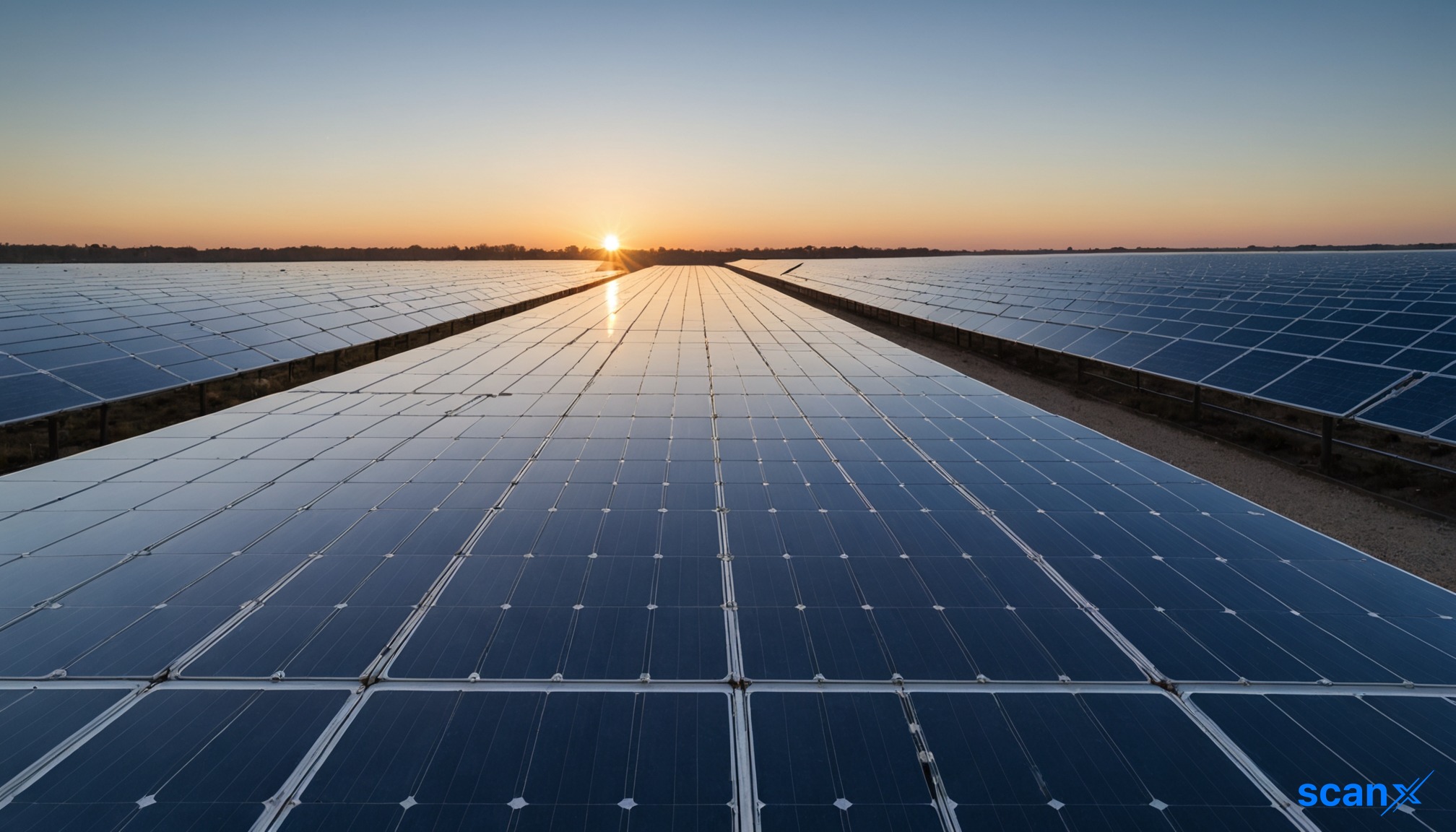
On sustainability, the company reduced its total incident rate by 40% year-to-date through behavioral safety programs, including a Family Safety Day initiative. A new solar captive power plant is coming online in Q3, expected to supply nearly 50% of power for the Khopoli plant, supporting Scope 1 and Scope 2 decarbonization targets for 2030. Water conservation efforts include zero liquid discharge practices and rainwater harvesting.
Innovation remains key, particularly in recycled plastic packaging and lightweighting. The Blueloop mono-material solution continues to gain traction, though adoption remains below 30%. Assets dedicated to Blueloop are utilized for other products when not producing Blueloop-specific items, ensuring efficient capital deployment.
What the Numbers Show
The simultaneous expansion in both revenue and margins indicates successful execution of Huhtamaki India’s "profitable growth" strategy. The ability to pass through 100% of significant raw material hikes without losing volume suggests strong customer stickiness and pricing power. Furthermore, the nil net debt position alongside substantial cash reserves provides flexibility for future organic investments or potential inorganic opportunities, although management currently prioritizes internal modernization and productivity enhancements.


 15
15







 Create Custom Screeners
  Access 200+ Pre-built Filters
  Use 50+ Readymade Screener





