

Harish Textile Engineers sets September 30 for 16th AGM with key governance votes


- Harish Textile Engineers holds 16th AGM on September 30, 2026
- Re-appointment of Executive Director Sunil Narayan Bhirud sought
- CS Khushal Bherulal Bajaj appointed as new Secretarial Auditor
- Related-party transactions capped at ₹25 crore for new subsidiary



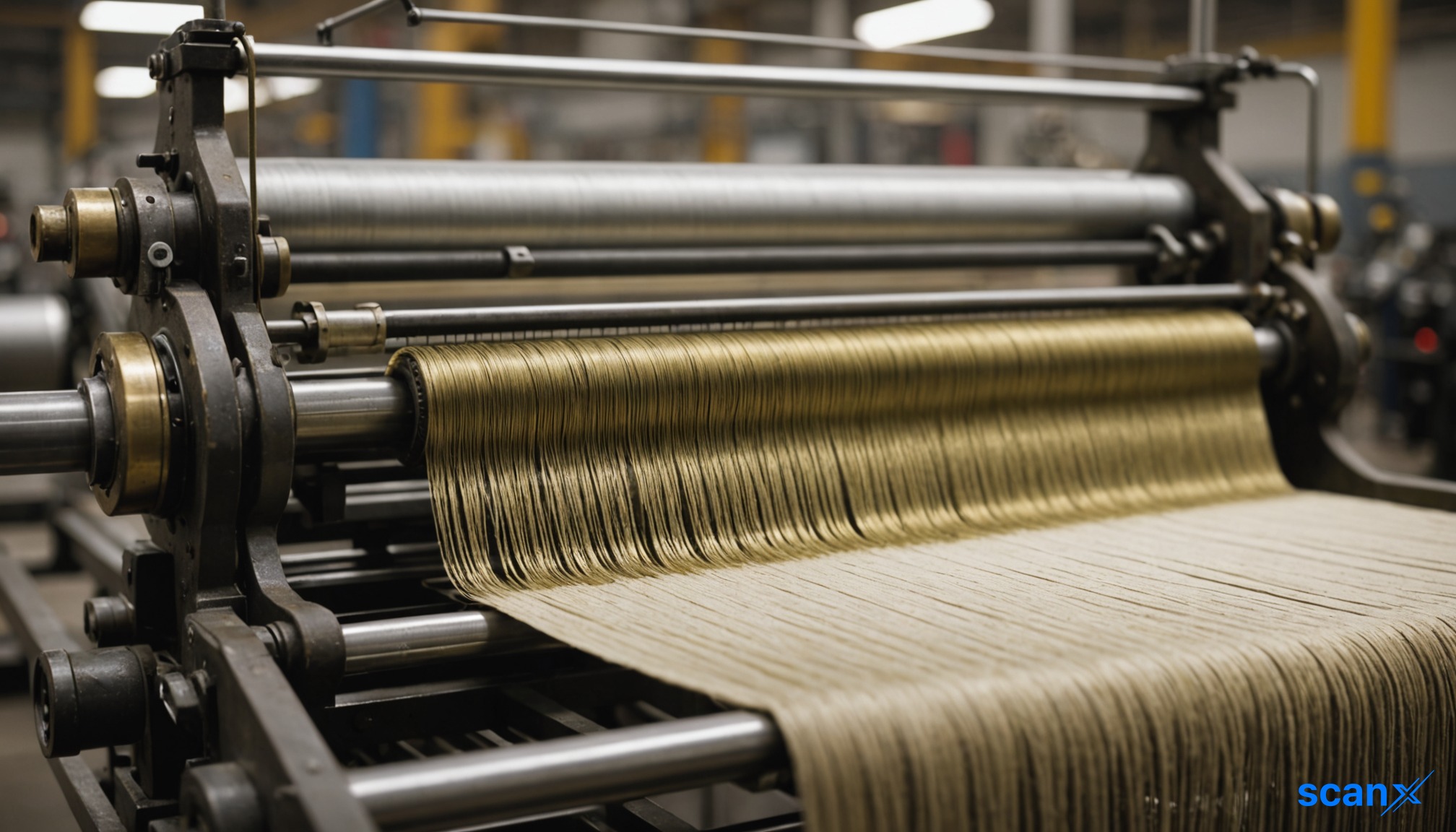
*this image is generated using AI for illustrative purposes only.
Harish Textile Engineers will hold its 16th Annual General Meeting (AGM) on September 30, 2026, at 11:00 am. The meeting will be conducted via Video Conferencing or Other Audio-Visual Means (VC/OAVM), in compliance with Ministry of Corporate Affairs circulars.
The board fixed September 23, 2026, as the record date during its meeting on September 4, 2026. National Securities Depository Limited (NSDL) will provide e-voting services, which open on September 25, 2026, at 9:00 am and close on September 29, 2026, at 5:00 pm.
Governance and Appointments
The board recommended the re-appointment of Mr. Sunil Narayan Bhirud as Executive Director. He retires by rotation and offers himself for re-appointment subject to member approval. The company confirmed he is not debarred from holding office by any regulatory authority.
In a significant compliance update, the board accepted the resignation of M/s. D N Vora & Associates as Secretarial Auditor. It appointed CS Khushal Bherulal Bajaj as the new Secretarial Auditor for a five-year term from FY27 to FY31. His remuneration requires member approval.
CS Khushal Bherulal Bajaj, an Associate Member of The Institute of Company Secretaries of India (ICSI), brings over 10 years of professional experience in Company Law, SEBI regulations, and corporate governance. He holds Membership No. ACS 49466, COP No. 18087, and Peer Review No. 2453/2022.
Shareholder Logistics
The Register of Members and Share Transfer Books will remain closed from September 24 to September 30, 2026. M/s. D N Vora & Associates has been appointed as the Scrutinizer for the e-voting process to ensure fairness and transparency. Institutional shareholders must submit scanned copies of Board Resolutions authorizing their representatives to vote.
Other Approvals
The board approved the 16th Annual Report for FY26. It also ratified remuneration for the Cost Auditor for FY27 and approved material related-party transactions for FY27, including those with a proposed wholly-owned subsidiary. The Chief Financial Officer’s remuneration was revised.
Key Resolutions for Shareholder Approval
| Item | Description | Details |
|---|---|---|
| 1 | Adoption of Financial Statements | Audited Standalone Financial Statements for FY26 |
| 2 | Re-appointment of Director | Mr. Sunil Narayan Bhirud (DIN: 03469816) |
| 3 | Cost Auditor Remuneration | Ratification of fees for M/s. Y S Thakar & Associates |
| 4 | Related Party Transactions | Approval for FY27 transactions with specified entities |
| 5 | Secretarial Auditor Appointment | CS Khushal Bherulal Bajaj for five years (FY27-FY31) |
| 6 | CFO Remuneration Revision | Increase in pay for Mr. Pinkesh Upadhyay effective October 1, 2026 |
| 7 | Proposed Subsidiary Transactions | Approval for transactions up to ₹25 crore with new subsidiary |
The proposed subsidiary is intended to manufacture technical textiles and man-made fibres. Transactions with this entity are capped at ₹25 crore for FY27. The CFO’s revised maximum consolidated remuneration is set at ₹2,50,000 per month, inclusive of all allowances and benefits.
Historical Stock Returns for Harish Textile Engineers
| 1 Day | 5 Days | 1 Month | 6 Months | 1 Year | 5 Years |
|---|---|---|---|---|---|
| +1.62% | +1.65% | +3.14% | +3.14% | +24.50% | +9.73% |

How will the establishment of the new wholly-owned subsidiary for technical textiles and man-made fibres impact Harish Textile Engineers' revenue diversification and long-term growth strategy?
What are the specific operational or compliance reasons behind the replacement of the Secretarial Auditor, and how might this change influence the company's governance standards over the next five years?
Could the ₹25 crore cap on related-party transactions with the new subsidiary limit its initial scaling capabilities, and what is the projected timeline for expanding this financial ceiling?
 16
16








 Create Custom Screeners
  Access 200+ Pre-built Filters
  Use 50+ Readymade Screener





