

Evercore raises SpaceX price target to $275, sees $100bn revenue


- Evercore ISI raised SpaceX's price target to $275 from $230, maintaining an Outperform rating
- Analyst Kutgun Maral projects annualized revenue above $100 billion by end of 2026
- Capital expenditures are forecast to reach $151 billion in 2027, driven by AI and compute expansion
- Pricing stability at $30 per watt for 2027 deals is identified as a critical risk factor


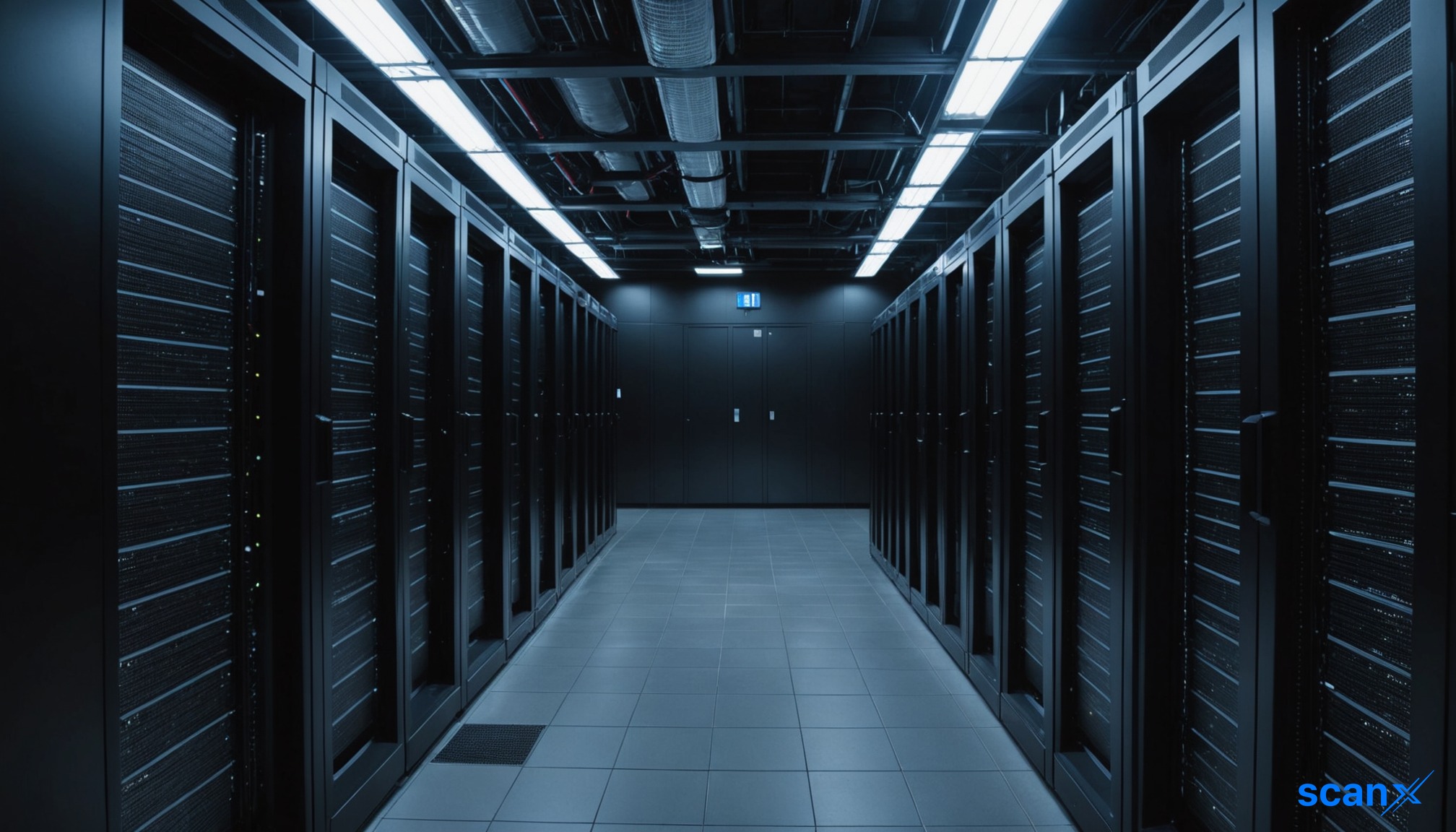
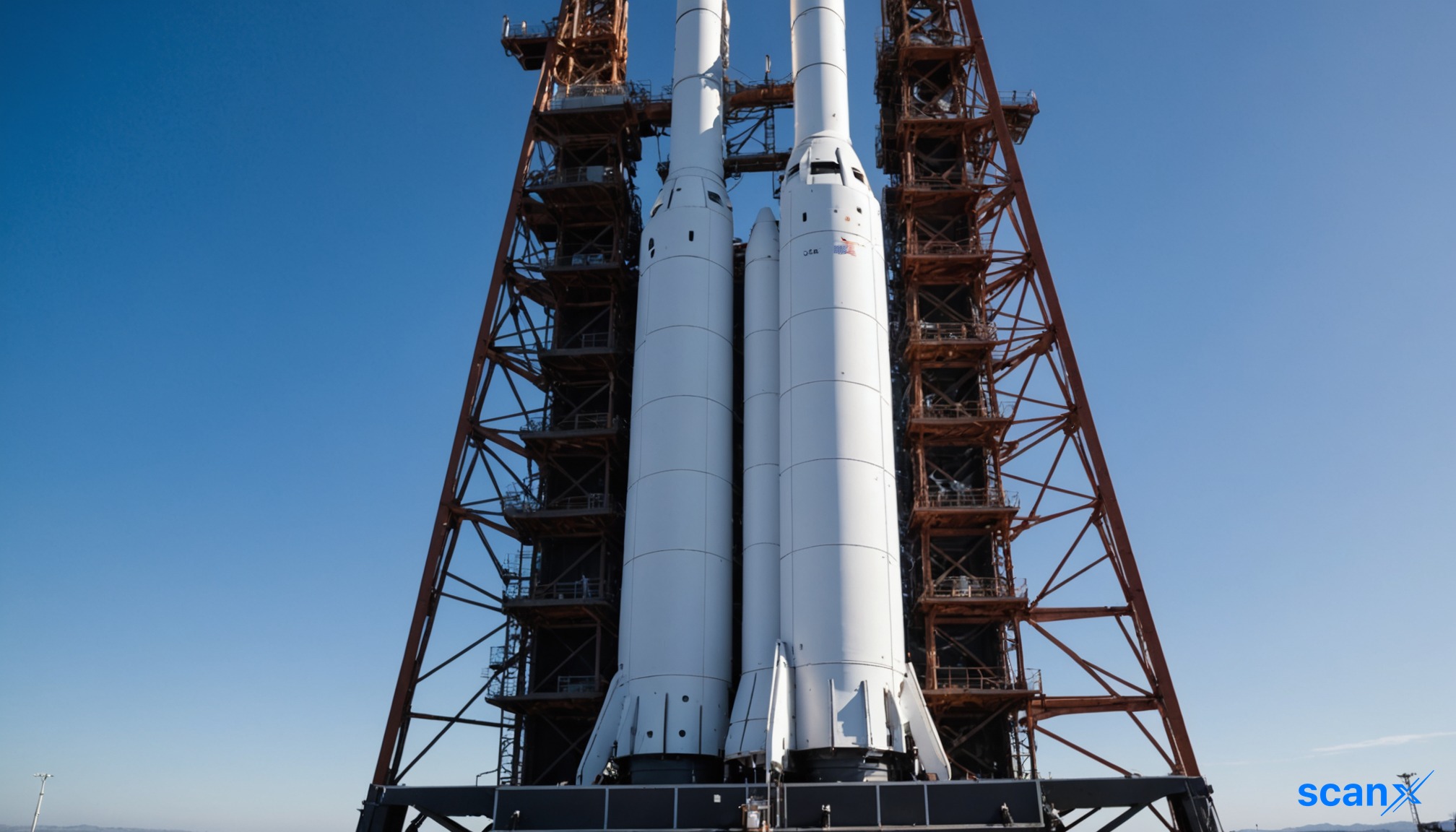
*this image is generated using AI for illustrative purposes only.
Evercore ISI Group analyst Kutgun Maral has raised the price target for SpaceX (NASDAQ: SPCX) to $275 from $230. The firm maintains an Outperform rating on the stock, signaling continued confidence in the company's trajectory ahead of its third-quarter results.
The adjustment represents a $45 increase in the projected valuation, suggesting approximately 85% upside from recent trading levels. This move comes as investors prepare for the release of Q3 financials, which Maral argues will be judged on broader strategic debates rather than just quarter-over-quarter performance.
Key debates for Q3 earnings
Maral outlined five critical areas that will shape investor sentiment following the earnings report scheduled for October 20. His analysis suggests that while execution risks remain, the AI segment is expected to drive significant revenue growth.
The $100 billion run rate
Revenue remains the primary debate. Maral estimates SpaceX is well-positioned to exit 2026 with annualized revenue above $100 billion, with his specific forecast sitting near $104 billion. Strategic compute deals are cited as the primary driver for this growth, supplemented by internal expansion in AI and connectivity businesses.
Compute capacity and pricing
The firm forecasts SpaceX will reach roughly 2.3 gigawatts of compute capacity by the end of 2026, exceeding consensus expectations. This expanded footprint is viewed as achievable and critical for signing additional compute deals.
Pricing on new 2027 deals is another focal point. Maral models 2027 pricing at about $30 per watt, a figure he considers essential for maintaining revenue streams and limiting downside risk. A shift in market conditions against this pricing model could disadvantage SpaceX on new contracts.
Capex and funding requirements
Capital expenditures are expected to rise sharply to roughly $151 billion in 2027. While Evercore believes projected EBITDA growth will overshadow this increase, Maral stressed the importance of managing this capex trajectory carefully to sustain ambitious growth plans.
Mobile service wildcard
The potential launch of a competitive mobile service remains unresolved, hinging on regulatory support and terrestrial capacity improvements. While skepticism exists, growth in the AI segment could provide flexibility for hybrid connectivity solutions.
What the numbers show
The divergence between the aggressive revenue forecast of $104 billion and the substantial capital expenditure requirement of $151 billion highlights the capital-intensive nature of SpaceX's current strategy. The analyst's view that EBITDA growth will overshadow the capex spike suggests an expectation of high-margin returns from the AI and compute segments, though this relies heavily on maintaining the modeled $30 per watt pricing structure.
| Metric | Current Forecast | Previous/Context |
|---|---|---|
| Price Target | $275 | $230 |
| Rating | Outperform | Outperform |
| Est. 2026 Revenue | ~$104 billion | N/A |
| Est. 2027 Capex | ~$151 billion | N/A |
| Est. 2026 Capacity | 2.3 gigawatts | Above consensus |
SpaceX stock was down 1.81% at $145.93 at the time of publication Friday. New compute deal announcements around the third-quarter report are expected to be favorable for sustained revenue growth.

How might potential regulatory delays in the mobile service launch impact SpaceX's projected 2026 revenue trajectory?
What specific competitive pressures could threaten the sustainability of the $30 per watt pricing model for 2027 compute deals?
How will the $151 billion capex requirement for 2027 affect SpaceX's free cash flow and future financing needs?
 17





 Access Market Heat-map & Insights
 Create, Save & Share your Screener
 Use 200+ Screening Filters





