Musk pledge sparks $100B giving race forecast, insider sales continue

scanx
Reviewed by
Ashish TScanX News Team
Key Highlights
  • Elon Musk pledges one SpaceX share to every U.S. child, valued at $11 billion
  • Altimeter Capital CEO Brad Gerstner forecasts $100 billion in total Trump Account contributions by 2027
  • SpaceX insiders sold or distributed over 43 million shares since early September
  • SPCX stock rose 50% since August despite 2.3 billion shares becoming eligible for trade
powered bylight_fuzz_icon
53949189

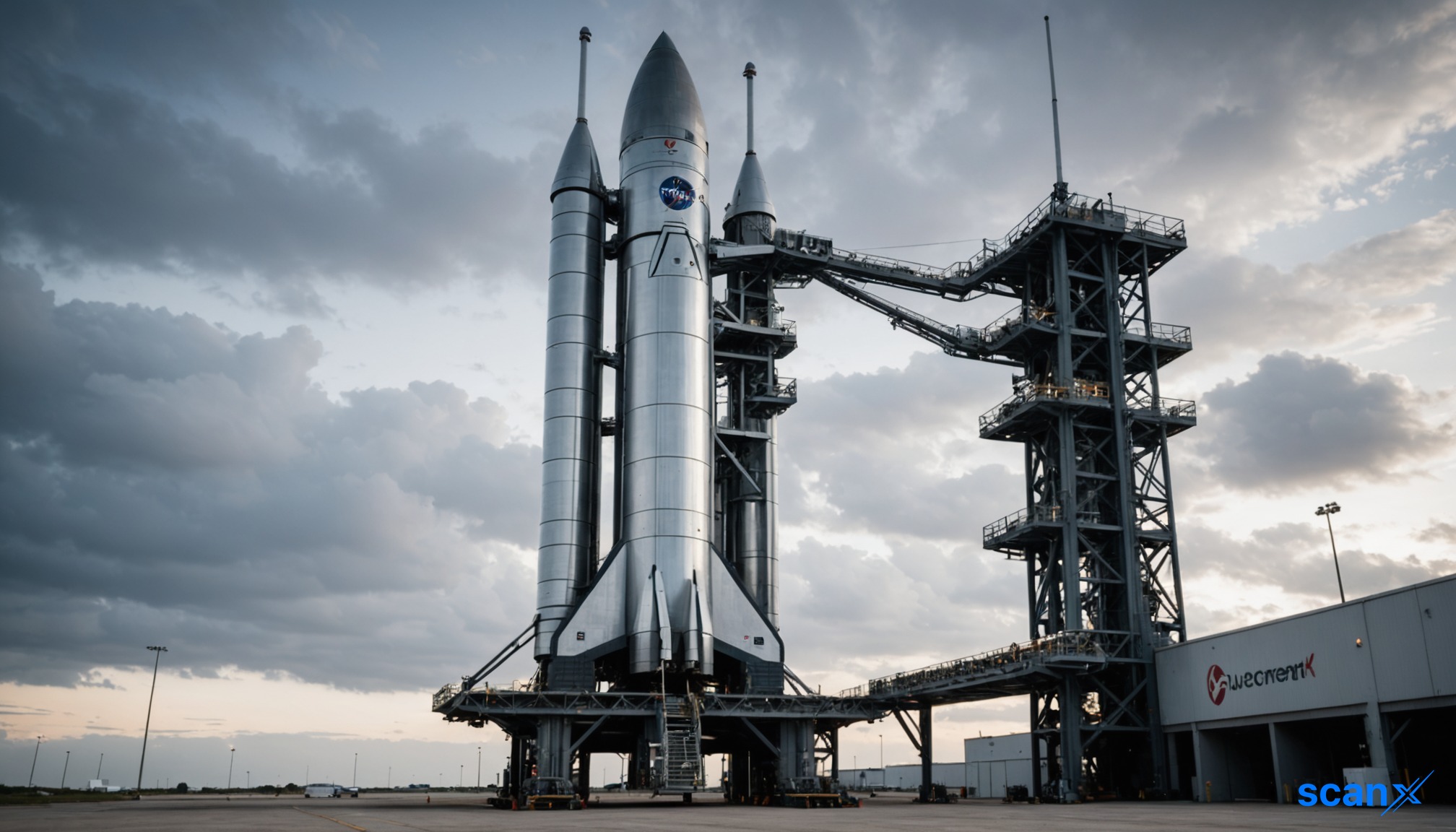
*this image is generated using AI for illustrative purposes only.

Space Exploration Technologies Corp. (NASDAQ: SPCX) CEO Elon Musk plans to give one SpaceX share to every child in the United States next year, a pledge valued at more than $11 billion. This initiative coincides with increased share availability as post-IPO lockup periods expire for employees and early investors.

Musk's stock giveaway details

Musk announced on October 19 that he intends to distribute one share to each of the approximately 70 million children in the U.S. in 2027. He stated, "This will be the first of many," signaling potential future contributions. The announcement follows Anthropic’s plan to commit 5% of its equity to a public-benefit fund, highlighting a broader trend among tech leaders to leverage equity for social distribution.

Brad Gerstner, CEO of Altimeter Capital and an investor behind the Trump Accounts program, described Musk's move as "the tip of the iceberg." Gerstner told the New York Post that private contributions to Trump Accounts could total $100 billion by the end of 2027. He expects other Silicon Valley leaders, including Ray Dalio and Gwynne Shotwell, to join Dell Technologies Inc. (NYSE: DELL) CEO Michael Dell as backers.

The proposal lacks specific details regarding eligibility requirements or distribution logistics. However, it aligns with the expansion of "Trump Accounts," tax-advantaged investment vehicles for U.S. citizens under age 18. The Treasury Department has automatically created these accounts for more than 60 million children, bringing the nationwide total to nearly 70 million. Gerstner is working to expand eligibility to anyone under 40, with updated legislation possible within months.

Corporate participation in similar initiatives has already begun:

  • Dell Technologies Inc. founders Michael and Susan Dell contributed $250 to 25 million children.
  • In July, SpaceX President Gwynne Shotwell and her husband pledged one share of SpaceX stock to Trump Accounts for more than two million American children, valued at approximately $325 million at the time.

Insider sales and lockup expirations

While Musk proposes distributing equity, existing holders are gaining opportunities to sell. SpaceX’s staggered post-IPO lockup schedule has made shares held by employees and early investors eligible for sale, increasing the potential supply in the public market.

Recent filings reveal specific insider transactions:

Insider Transaction Type Shares Price/Value Date
Gwynne Shotwell Sale (Rule 10b5-1) 342,170 ~$151.15 avg Sept 22
Antonio J. Gracias In-kind distribution 42.79 million N/A Sept 11

Gwynne Shotwell, SpaceX President and COO, sold 342,170 shares on September 22 at a weighted average price of approximately $151.15. The sale was conducted under a prearranged Rule 10b5-1 trading plan adopted in June. Shotwell held 2,472,035 shares afterward.

Separately, SpaceX director Antonio J. Gracias reported an indirect distribution of 42.79 million shares on September 11 through entities managed by Valor. This transaction was an in-kind distribution under a prearranged plan, not a conventional open-market sale. The Valor entities reported holding 460.62 million shares afterward.

Since August, nearly 2.3 billion shares have become eligible to trade across six releases, compared with 639 million shares sold in SpaceX’s June IPO. The stock rose roughly 50% from its August 5 close through that period, suggesting that additional supply has not automatically translated into sustained selling pressure. More supply is expected, with up to 328.4 million shares scheduled for release on October 24, followed by tranches tied to third-quarter earnings and December.

Contextualizing the shareholding structure

According to a Securities and Exchange Commission filing as of June 30, following SpaceX's initial public offering, Musk disclosed holding a 48.4% stake in the company. His holdings comprise 849,494,440 shares of Class A Common Stock, where he serves as trustee, and 3,916,980,790 shares of Class B Common Stock.

Additionally, Musk holds 1,302,072,285 shares of restricted Class B Common Stock and 350,000,000 shares issuable upon exercising stock options. He retains approximately 85% voting power in the company. Musk himself remains restricted from selling until June 2027 under his separate lockup agreement.

What the numbers show

The scale of Musk's proposed donation is substantial relative to existing corporate contributions. While the Dell family contributed cash to 25 million accounts, Musk's pledge involves equity distribution to every child in America, a significantly larger demographic reach. Furthermore, Musk's total disclosed share count exceeds 6 billion when combining Class A, Class B, restricted, and option shares.

A key divergence exists between Musk's philanthropic intent and market mechanics. While Musk is proposing to distribute shares to millions of new potential owners, existing holders are gaining freedom to sell. Since August, nearly 2.3 billion shares became eligible for trading, yet the stock rose 50%. This suggests that investor demand has currently absorbed the additional supply, but the tension between new equity distribution and insider liquidity remains a central factor for SPCX valuation. Critics also note potential regulatory risks, questioning whether government oversight might soften on mergers involving companies donating billions to these accounts.

Market reaction

SPCX shares rose 0.93% to $147.39 during pre-market trading on Monday. The market response was modest despite the high-profile announcement.

Disclaimer: This article is AI-generated using data from ViewTrade. ScanX is not liable for any inaccuracies.

How will the upcoming release of 328.4 million shares on October 24 impact SPCX's stock volatility given the current 50% post-IPO rally?

What specific regulatory frameworks will the SEC establish to govern the tax treatment and transfer logistics of distributing equity to 70 million minor beneficiaries?

Could the expansion of Trump Account eligibility to individuals under 40 significantly alter the long-term demand curve for SPCX shares?

like15
dislike

Analyst predicts SpaceX spectrum deal; India mobile adds $880m potential

scanx
Reviewed by
Anirudha BScanX News Team
Key Highlights
  • Roger Entner predicted the $8bn spectrum deal, viewing it as funding for Mars ambitions rather than a telecom takeover
  • Starlink generated $1.7bn operating income on $4.3bn Q2 revenue, with sales up 66% YoY
  • Analysts estimate SpaceX may spend another $10bn-$15bn on terrestrial network infrastructure
  • India scenarios suggest up to $880m annual revenue if Starlink captures 5% of subscribers
powered bylight_fuzz_icon
53442649

*this image is generated using AI for illustrative purposes only.

Space Exploration Technologies Corp. (NASDAQ: SPCX) agreed to acquire a nationwide low-band wireless spectrum portfolio from Grain Management for $8 billion, expanding Starlink’s U.S. wireless ambitions. The move has triggered divergent views among Wall Street analysts regarding the company’s ability to compete with established telecom carriers, even as consumer sentiment leans toward adoption.

Analyst predicts the deal based on Musk’s pattern

Roger Entner, founder of Recon Analytics, stated that he predicted in July that Elon Musk would buy wireless spectrum rather than acquire a mobile carrier. In August, he identified Grain Management’s holdings as a likely target. "He's a builder. He's not a buyer," Entner told Benzinga. He noted that while Musk initially dismissed reports of interest as "not true," the acquisition aligns with a chain of businesses designed to finance technology for Mars colonization.

Entner argues that Musk does not need to overtake Verizon Communications Inc. (NYSE: VZ), AT&T Inc. (NYSE: T), or T-Mobile US Inc. (NASDAQ: TMUS) in subscriber count. Instead, Starlink Mobile needs to generate profits to finance other ventures. "What is to a telco the beginning and the end of the world for him, it's a sideshow almost," Entner said. He expects SpaceX to combine home internet and mobile subscriptions, potentially using Grok to help design the network, with physical construction outsourced.

Consumer interest challenges loyalty metrics

Benzinga conducted a poll of its "PreMarket Playbook" viewers asking if they would switch from their current carrier to a SpaceX phone plan. The results indicated that 73% of respondents expressed interest in switching. Specifically, 44% said they would switch if the plan were cheaper than their current one, while 24% stated they would switch on day one. Only 27% affirmed they would stay with their existing carrier, a figure that suggests relatively low customer loyalty among the polled group. Another 5% indicated they would consider SpaceX service only as a backup for dead zones.

This consumer openness contrasts with the skepticism held by some financial analysts regarding SpaceX's operational viability against entrenched incumbents.

Analysts weigh competitive disadvantages

Julie Zhu, research analyst at MoffettNathanson, stated that Starlink’s satellite-based wireless service remains "not competitive" with the offerings from AT&T Inc. (NYSE: T), T-Mobile US Inc. (NASDAQ: TMUS), and Verizon Communications Inc. (NYSE: VZ). Zhu highlighted that the three major carriers still control roughly 14 to 15 times more spectrum than SpaceX, even after this acquisition. She noted that building comparable coverage would require years and significant capital expenditure.

Despite these challenges, Zhu maintained a positive view of SpaceX’s execution and leadership. She pointed to the company’s broadband business and AI operations, including Grok and xAI, as key value drivers. However, she emphasized the need to balance these opportunities against other capital demands, such as roughly $100 billion earmarked for Louisiana and Starship development. MoffettNathanson maintains a $142 price forecast on SpaceX.

Broader market perspectives and financials

Walter Isaacson, advisory partner at Perella Weinberg and professor at Tulane University, offered a more optimistic outlook. He described the acquisition of the 800 MHz spectrum as "huge," citing Elon Musk’s view that the potential market could approach the size of the global economy. Musk himself called the deal a "very big deal" on social media and an "earthquake" for the telecom industry.

Madison Rezaei, analyst at Bernstein, identified a potential secondary benefit for infrastructure providers. Rezaei suggested SpaceX could become a fourth major customer for U.S. tower companies, potentially lifting recurring tower revenue by roughly 10% to 15% if another tenant is added. Rezaei indicated SpaceX is more likely to partner with an existing wireless carrier rather than build an entirely new tower network, though Zhu questioned whether such roaming agreements would materialize.

Starlink is already a major profit engine for SpaceX. Its connectivity business generated $1.7 billion in operating income on $4.3 billion in second-quarter revenue, with sales up 66% from a year earlier. SpaceX reports third-quarter earnings Tuesday, when investors will get a fresh look at Starlink’s profitability. On Polymarket, traders give SpaceX a 24% chance of offering its own U.S. mobile plan by the end of 2027, down from 43% Friday.

India's millions-user opportunity

India illustrates the potential reach of Starlink Mobile beyond the U.S. The country had approximately 1.27 billion wireless mobile subscriptions at the end of March 2026, according to the Department of Telecommunications. If Starlink eventually captured just 2% of that subscription base, it would serve roughly 25 million connections. At a hypothetical 100 Indian rupees (~$1.05) per month received by SpaceX for each connection, that would generate approximately 30 billion rupees, or $350 million, in annual revenue at about INR 86 per dollar.

A 5% share would mean about 63 million connections and approximately $880 million in annual revenue under the same assumptions. These are illustrative scenarios, not forecasts: Starlink has not announced an Indian direct-to-cell price, and its share of customer payments would depend on its commercial arrangements. India also presents a regulatory hurdle. Reuters reported on October 11 that Musk had promised affordable Starlink pricing, but satellite internet availability does not automatically authorize direct-to-cell services.

What the numbers show

The divergence in analyst sentiment highlights a tension between immediate valuation premiums and long-term operational costs. While the stock trades at a premium, with shares ranking as the sixth-largest company in the Nasdaq 100, the core wireless business faces structural hurdles. Zhu noted that the AI business currently offers a one-year payback, whereas the return on investment for a major wireless buildout remains uncertain. This suggests that current investor enthusiasm may be pricing in future wireless dominance before the economic returns are proven, especially given the significant capital outlay required to close the spectrum gap with incumbents.

Entner estimates SpaceX could spend another $10 billion to $15 billion building its terrestrial network, excluding spectrum purchases. His view that the mobile business is a "sideshow" for Musk contrasts with the market's focus on it as a primary growth driver. The new data on India underscores this dynamic. Even the bullish scenario of capturing 5% of India's massive subscriber base generates less than $1 billion in annual revenue. This is meaningful but insufficient by itself to explain Musk's extraordinary valuation target. The broader case depends on Starlink scaling globally, AI infrastructure generating substantial earnings, and Starship potentially lowering launch costs enough to unlock new businesses. India's mobile market is one possible contributor, not proof of the end valuation.

Company Ticker Price Action Change
T-Mobile US NASDAQ: TMUS $153.09 +0.81%
AT&T NYSE: T $22.42 -0.31%
Verizon Communications NYSE: VZ $43.19 +0.96%
SpaceX NASDAQ: SPCX $162.16 -0.77%

Data reflects premarket trading on Tuesday.

Disclaimer: This article is AI-generated using data from ViewTrade. ScanX is not liable for any inaccuracies.

How will SpaceX's projected $10-15 billion terrestrial network buildout impact its free cash flow and ability to fund Starship development?

Will major carriers like AT&T or T-Mobile negotiate roaming agreements with SpaceX, or will they attempt to block access to protect their spectrum advantage?

What specific regulatory hurdles must SpaceX overcome to launch direct-to-cell services in India, and how might this affect its global expansion timeline?

like19
dislike

More News on SpaceX

Must Read Next

Stocks

L&T secures major contract worth over ₹150 billion 11 mins ago
no imag found
Kalpataru Projects secures new orders worth ₹2,349 crore in FY27 1 hr ago