
 NewsDixon Technologies Faces Shipment Challenges as Memory Price Rise Hurts Budget Phone Demand
Dixon Technologies Faces Shipment Challenges as Memory Price Rise Hurts Budget Phone Demand


Axis Capital Management has warned that Dixon Technologies may miss its FY26 shipment guidance due to rising memory prices impacting budget smartphone demand. The weakness is expected to continue through H1FY27, with particular volume pressure on partnerships with iSmartU and Xiaomi in the budget phone segment.

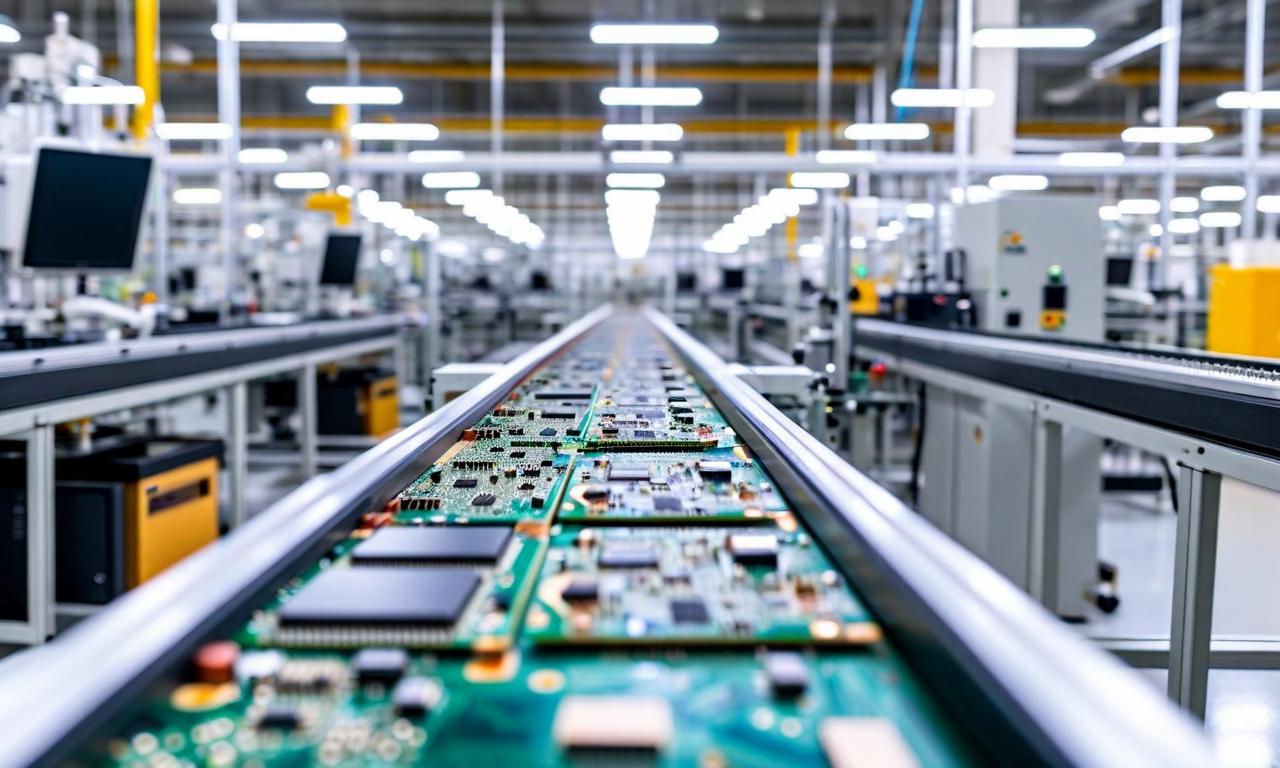

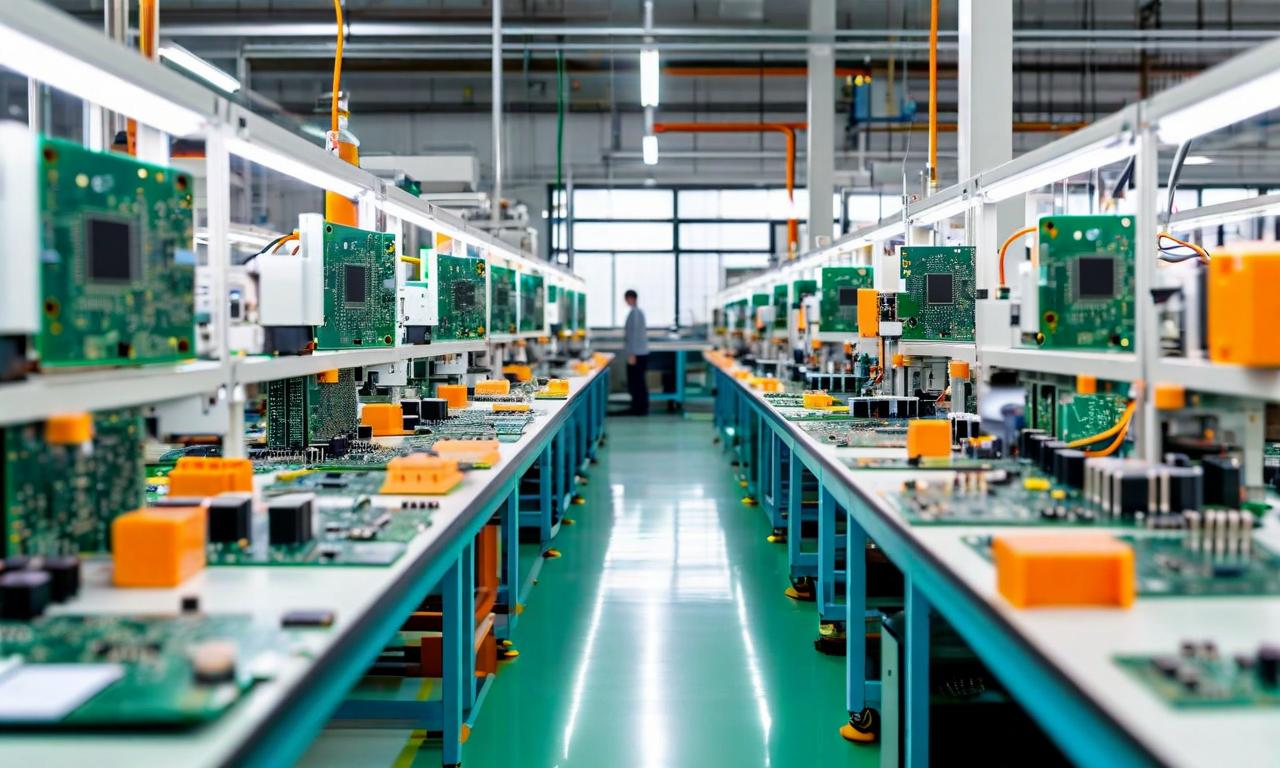
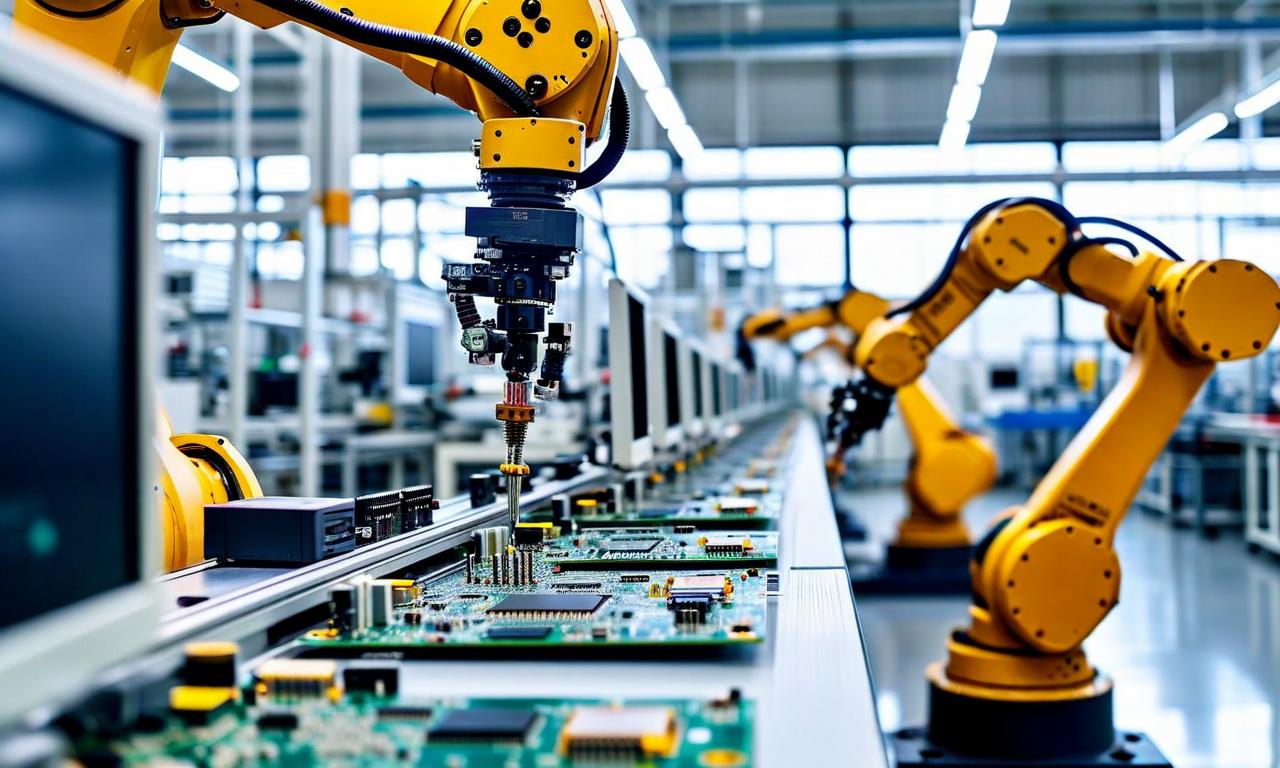
*this image is generated using AI for illustrative purposes only.
Dixon Technologies is facing significant headwinds in its smartphone manufacturing business, with Axis Capital Management raising concerns about the company's ability to meet its FY26 shipment guidance. The brokerage firm has highlighted several market challenges that are expected to impact the electronics manufacturer's performance in the coming quarters.
Market Challenges Impact Shipment Outlook
Axis Capital Management has noted that Dixon Technologies' FY26 shipments are likely to fall short of the company's guidance, primarily due to external market pressures affecting the budget smartphone segment. The weakness in shipment volumes is attributed to rising memory prices, which have created a challenging environment for budget phone manufacturers and their partners.
Memory Price Inflation Affects Budget Segment
The increasing cost of memory components has emerged as a critical factor impacting demand patterns in the budget smartphone market. This price inflation is directly affecting consumer purchasing decisions and manufacturer production strategies, leading to reduced volumes across the budget phone category.
| Impact Area: | Details |
|---|---|
| Affected Segment: | Budget smartphones |
| Key Challenge: | Rising memory prices |
| Volume Impact: | Reduced demand affecting shipments |
| Duration: | Expected through H1FY27 |
Brand Partnerships Face Volume Pressure
The market challenges are particularly affecting Dixon Technologies' manufacturing volumes for key brand partners. Both iSmartU and Xiaomi, which represent significant portions of Dixon's smartphone manufacturing business, are experiencing volume declines due to the weakened demand environment in the budget smartphone segment.
Extended Weakness Expected
According to Axis Capital Management's assessment, the current market weakness is not expected to be a short-term phenomenon. The brokerage firm anticipates that these challenging conditions will persist into the first half of FY27, suggesting a prolonged period of adjustment for Dixon Technologies and the broader budget smartphone manufacturing ecosystem.
The combination of rising input costs and weakened consumer demand in the budget segment presents a complex challenge for Dixon Technologies as it navigates the evolving smartphone manufacturing landscape. The company's ability to adapt to these market conditions while maintaining its manufacturing partnerships will be crucial for its performance in the coming quarters.
Historical Stock Returns for Dixon Technologies
| 1 Day | 5 Days | 1 Month | 6 Months | 1 Year | 5 Years |
|---|---|---|---|---|---|
| -1.94% | -5.28% | -8.20% | +7.20% | -28.16% | 0.0% |
 16
16






 Access 50+ Readymade Screeners
  Use 200+ Custom Filters
  Get Full Market Insights





