
 NewsLaptop Prices Expected to Rise Up to 35% Due to Component Cost Surge and Processor Shortage
Laptop Prices Expected to Rise Up to 35% Due to Component Cost Surge and Processor Shortage


Laptop prices are set to increase by up to 35% due to rising memory and GPU costs, primarily driven by escalating DDR RAM prices and a shortage of entry-level Intel processors. Despite record PC shipments in 2025, the market is projected to contract by up to 8% in 2026, creating challenging conditions for manufacturers and consumers alike.

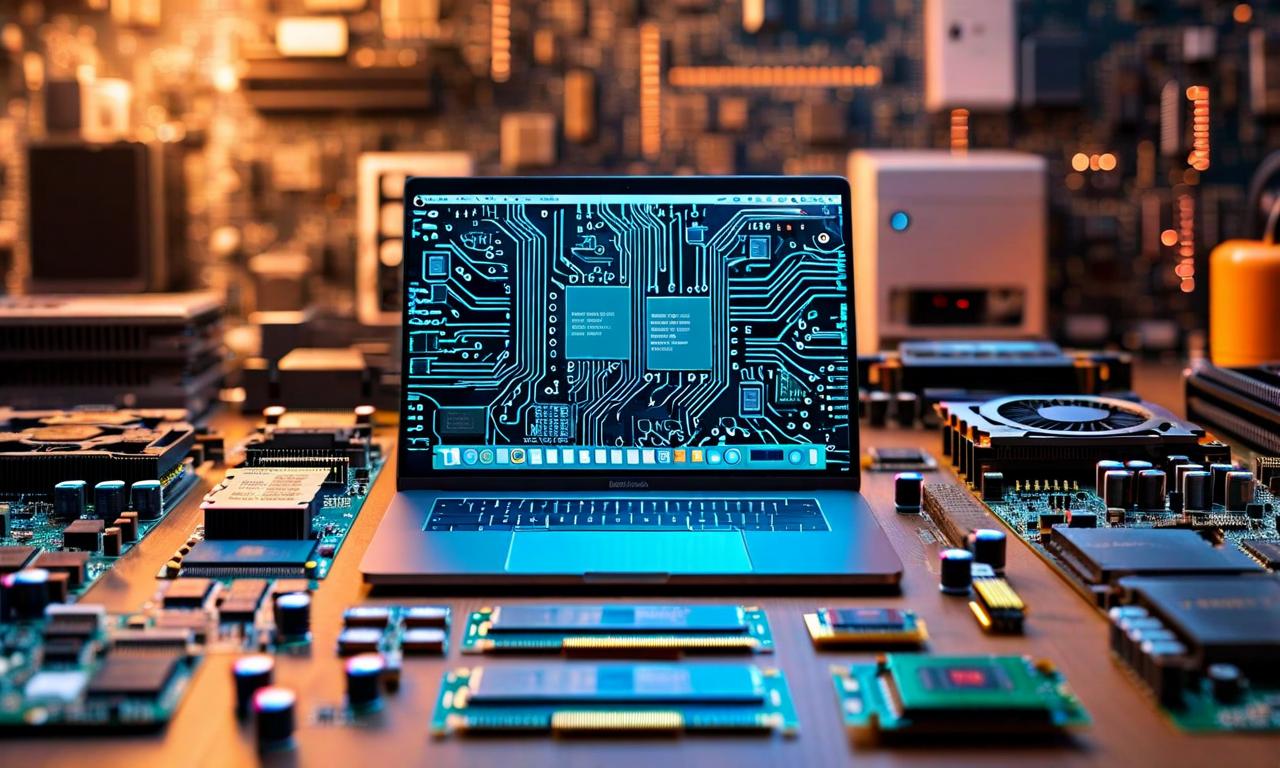

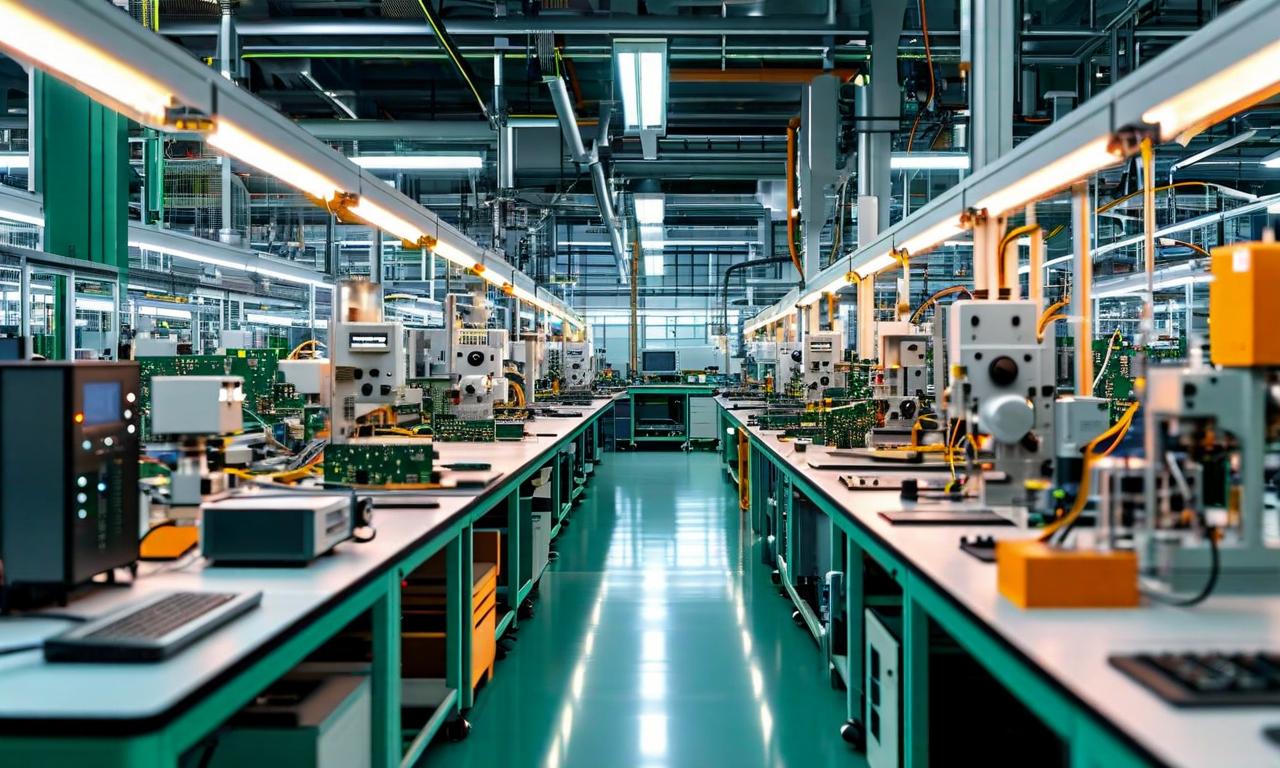
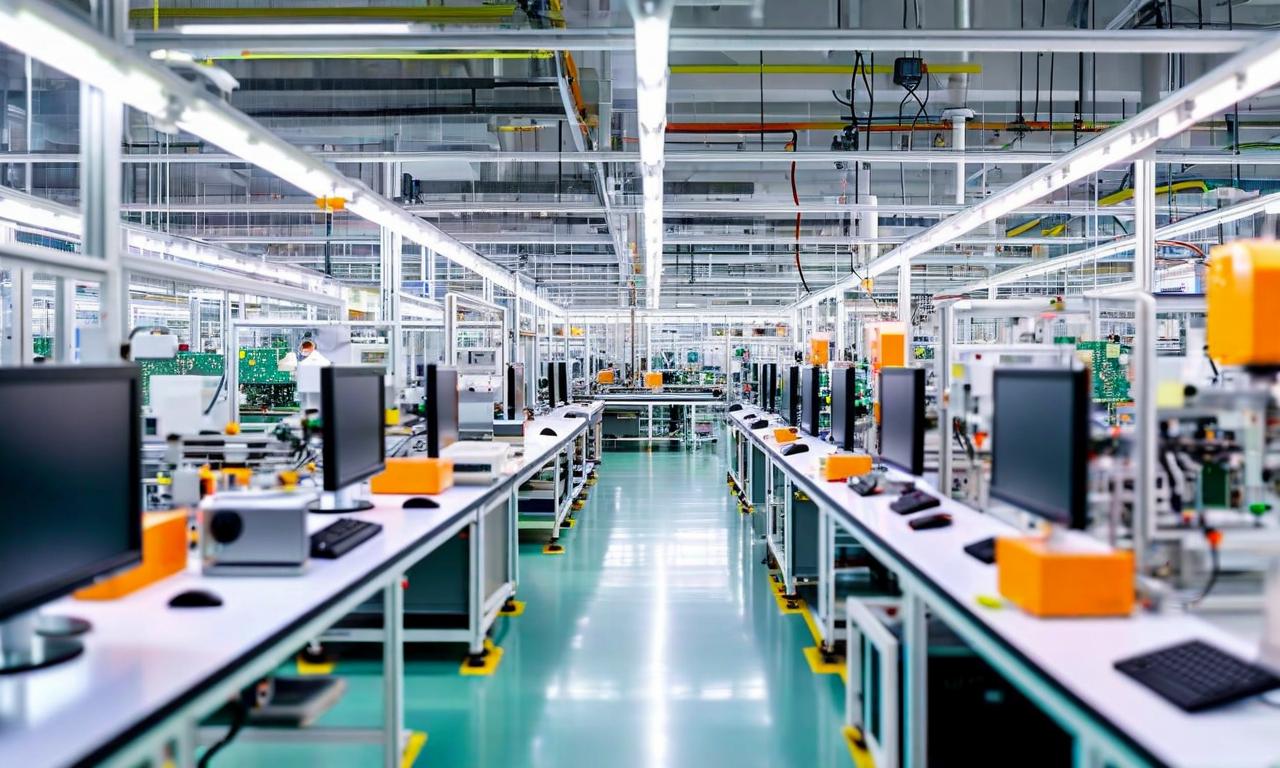
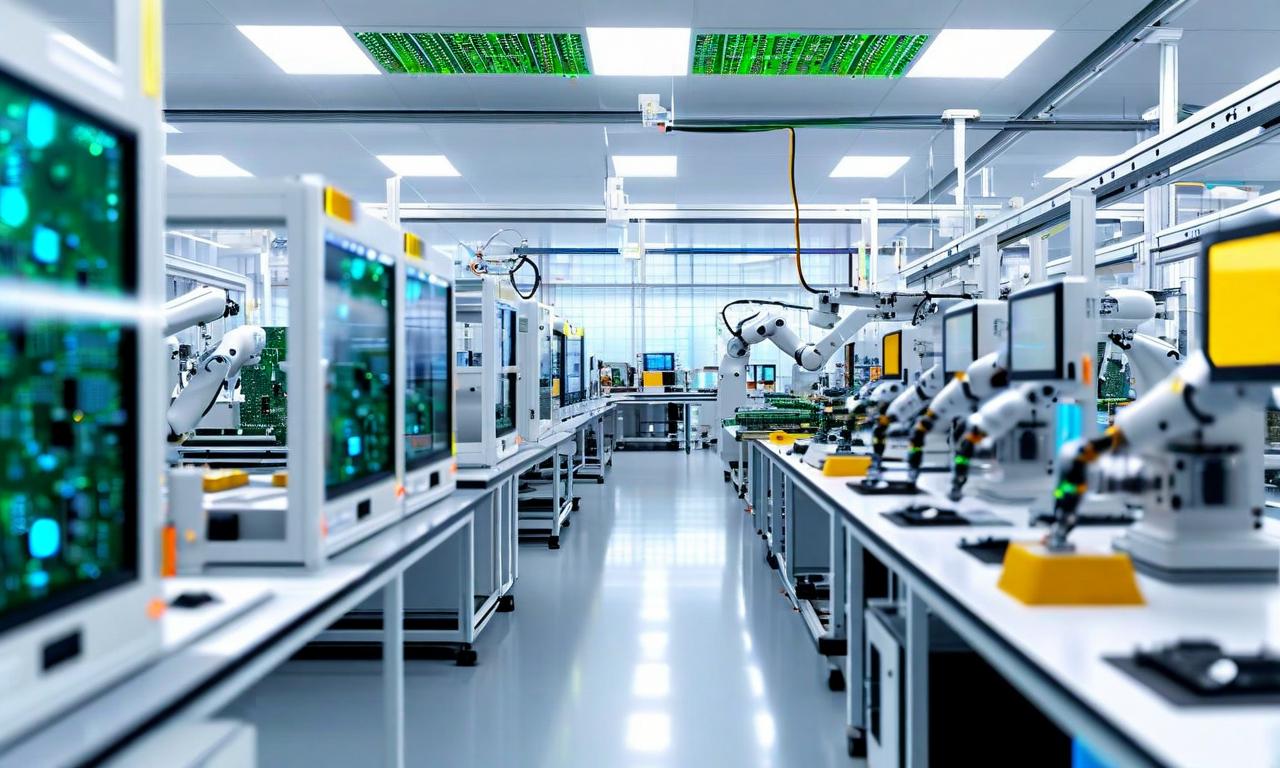
*this image is generated using AI for illustrative purposes only.
The laptop industry is bracing for substantial price increases as component costs continue to escalate, with prices expected to rise by up to 35%. This significant surge is primarily attributed to increased memory and GPU costs, creating pressure across the entire supply chain.
Key Factors Driving Price Increases
Two critical components are driving the current price surge in the laptop market:
| Component Issue: | Impact |
|---|---|
| DDR RAM Prices: | Rising costs affecting memory modules |
| Intel Processors: | Shortage of entry-level processors |
| GPU Costs: | Increased graphics processing unit expenses |
The combination of rising DDR RAM prices and a shortage of entry-level Intel processors has created a perfect storm for laptop manufacturers, forcing them to pass increased costs onto consumers.
Market Performance and Projections
The laptop and PC market presents a contrasting picture of recent success followed by anticipated decline:
| Period: | Performance | Change |
|---|---|---|
| 2025: | Record PC shipments | Peak performance |
| 2026 Projection: | Market contraction | Up to 8% decrease |
After achieving record PC shipments in 2025, the market is expected to face headwinds in 2026. Industry analysts project that overall sales will decrease by up to 8% this year, representing a significant shift from the previous year's strong performance.
Industry Impact
The projected market shrinkage of 8% this year comes despite the record-breaking performance in 2025, highlighting the volatile nature of the technology sector. The combination of higher prices and reduced demand creates challenges for manufacturers like Dixon Technologies and other players in the electronics manufacturing space.
The current situation reflects broader supply chain challenges affecting the technology industry, with component shortages and price volatility continuing to impact consumer electronics pricing and availability.
Historical Stock Returns for Dixon Technologies
| 1 Day | 5 Days | 1 Month | 6 Months | 1 Year | 5 Years |
|---|---|---|---|---|---|
| -3.40% | -7.67% | -10.12% | +2.79% | -30.01% | +104.31% |
 17
17




 Access 50+ Readymade Screeners
  Use 200+ Custom Filters
  Get Full Market Insights





