

Cantor Fitzgerald sets $80 target for Tempus AI, cites platform value


- Cantor Fitzgerald initiates Tempus AI with Overweight rating and $80 target
- Analyst argues market undervalues Data & Applications business as vendor vs platform
- Revenue estimates rise from $1.3 billion in 2025 to above $2.4 billion in 2028
- MRD volumes up 38% QoQ in Q2; therapy-selection ASPs projected to lift >40%
- Tempus shares fell 2.18% to $60.91 on Wednesday despite coverage initiation



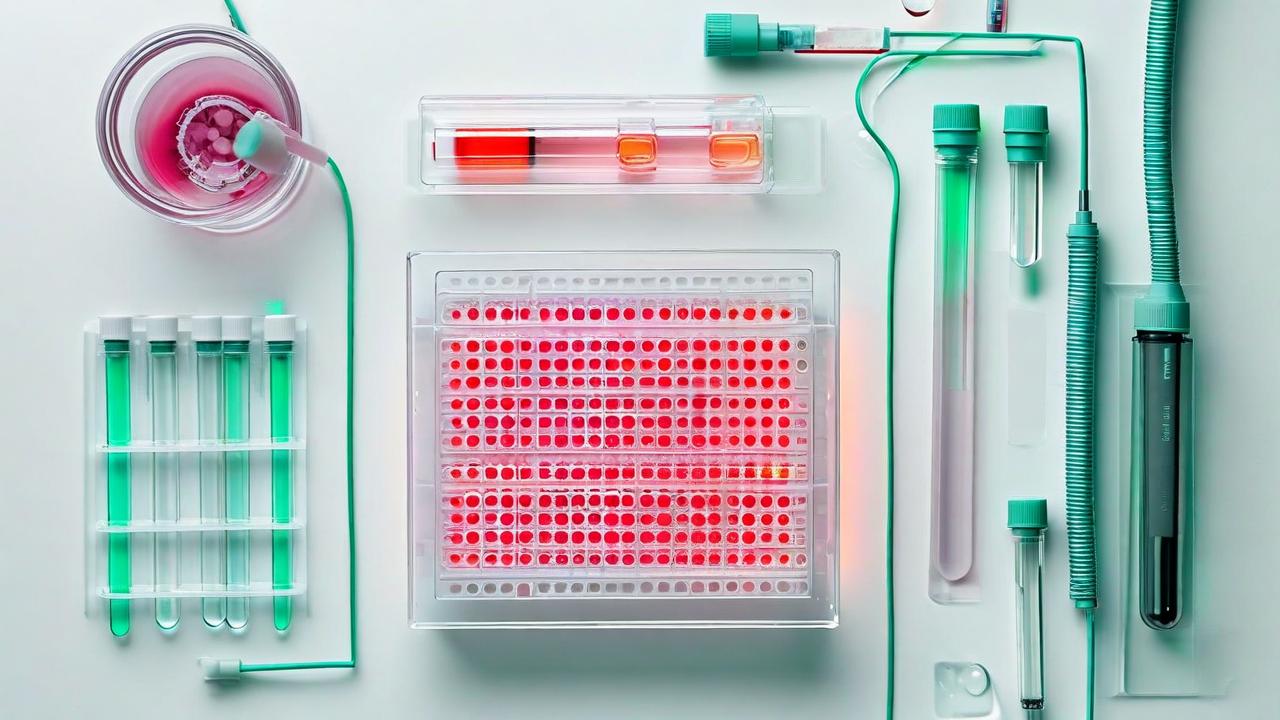
*this image is generated using AI for illustrative purposes only.
Cantor Fitzgerald initiated coverage of Tempus AI (NASDAQ: TEM) with an Overweight rating and a $80 price target on Wednesday. Analyst Sarah James stated that the market undervalues the company’s Data & Applications business by treating it as a life sciences data vendor rather than a platform business.
Tempus shares declined 2.18% to $60.91 despite the positive initiation. The analyst noted that Tempus sells data and AI tools to 19 of the 20 largest pharmaceutical companies and more than 250 biotechs. This broad client base allows the company to benefit from overall biopharma activity rather than relying on individual drug trials.
Platform Business Model
James highlighted Tempus’ "one-cart" model with providers. A single relationship spans hereditary risk testing, CGP therapy selection, MRD monitoring, and rare-disease sequencing across more than 100 assays. This structure supports higher retention and cross-selling opportunities compared to traditional vendors.
The analyst compared Tempus’ growth and margins to platform businesses such as Datadog (DDOG) and Snowflake (SNOW). This comparison suggests the current valuation does not fully reflect the scalability of its data assets.
Revenue Growth Catalysts
Cantor Fitzgerald identified five underappreciated catalysts that could support revenue above the $2.4 billion 2028 estimate, versus $1.3 billion in 2025.
| Growth Driver | Current Metric | Projected Impact |
|---|---|---|
| CGP Volumes | Adoption at 40%-50% | Nearly double as adoption expands |
| Therapy-Selection ASP | ~$1,850 | Lift >40% to over $2,600 via xT CDx migration |
| MRD Volumes | Up 38% QoQ in Q2 | Access to ~$20 billion opportunity |
| Hereditary Testing | Gap in market | Additional growth avenue |
| Algorithmic Diagnostics | N/A | Create 50-100x cost in value |
Companion diagnostics (CGP) volumes could nearly double as physician adoption expands beyond the current 40%-50% range. Additionally, xT CDx migration and xF reimbursement could lift therapy-selection average selling prices (ASPs) by more than 40%, from about $1,850 to over $2,600.
Molecular residual disease (MRD) testing represents a roughly $20 billion opportunity. MRD volumes were already up 38% quarter over quarter in the second quarter. Management estimates algorithmic diagnostics could create 50-100x their cost in value, presenting further upside.
What the Numbers Show
The disparity between the $1.3 billion 2025 revenue estimate and the $2.4 billion 2028 estimate implies an annualized growth rate of approximately 23%. This projection relies heavily on ASP expansion in therapy selection and volume growth in MRD, indicating a shift from pure volume drivers to value-added diagnostic services.

How might the migration to xT CDx and xF reimbursement timelines impact Tempus' near-term ASP growth trajectory?
What competitive risks could emerge if other platform businesses like Datadog or Snowflake face valuation corrections, potentially affecting Tempus' multiple expansion?
Could regulatory changes in companion diagnostics or MRD testing reimbursement threaten the projected $20 billion opportunity in molecular residual disease volumes?
 18
18











 Create Custom Screeners
  Access 200+ Pre-built Filters
  Use 50+ Readymade Screener





