

Bombardier launches Challenger 3500 Latin American tour


Bombardier kicks off a 10-city Latin American tour for its Challenger 3500 jet, starting at LABACE 2026 in São Paulo. The campaign highlights the aircraft's 3,400 NM range and low operating costs, supported by local service networks including MAGA Aviation.



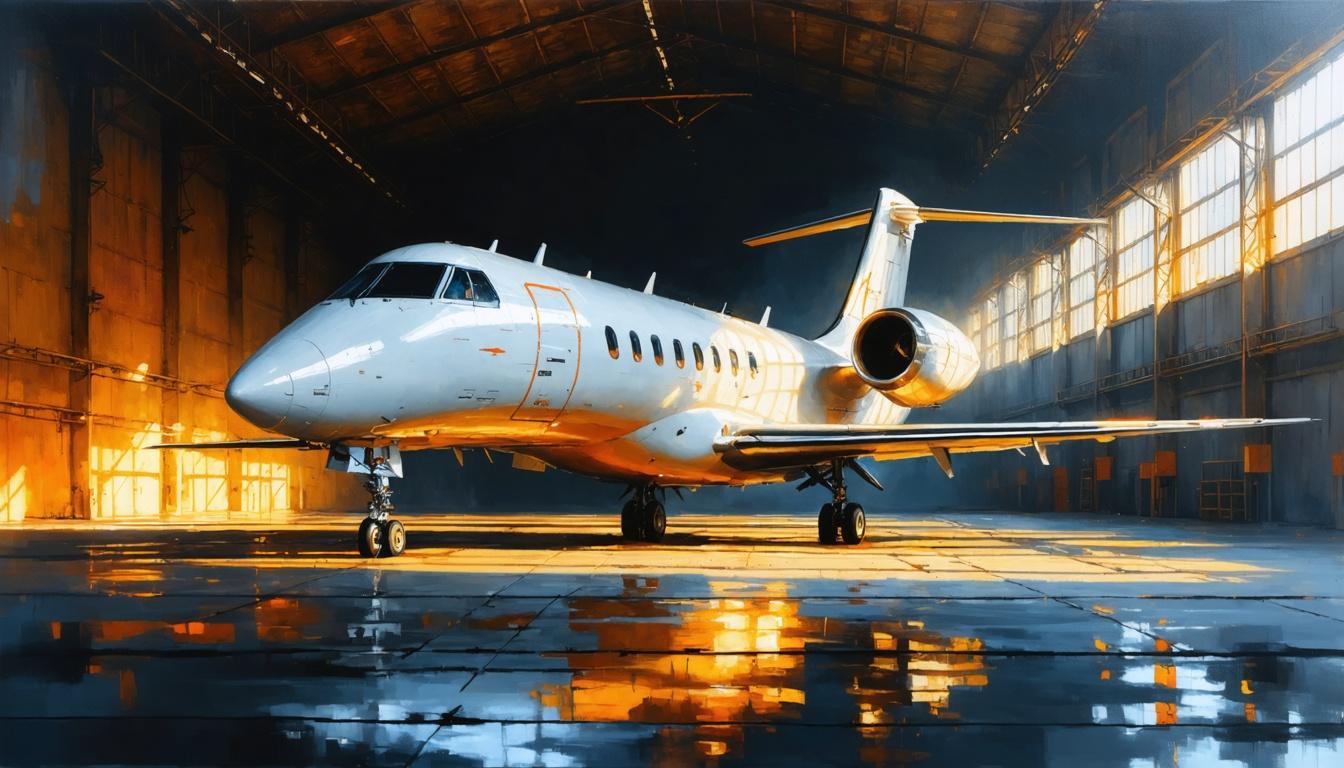
*this image is generated using AI for illustrative purposes only.
Bombardier is launching an extensive multi-city tour for its Challenger 3500 business jet across Latin America, beginning with a showcase at the Latin American Business Aviation Conference & Exhibition (LABACE) 2026. The event, held from Aug. 4–6 at Campo de Marte Airport in São Paulo, serves as a strategic platform for Bombardier to demonstrate the aircraft’s design and performance capabilities to regional operators. This move underscores the company’s intensified focus on the Latin American market, leveraging the Challenger 3500’s status as a best-selling model to capture demand in key aviation hubs.
The LABACE appearance is the first stop on a broader regional circuit that will span 10 cities. Following São Paulo, the Challenger 3500 will visit Monterrey, Mexico; Santo Domingo, Dominican Republic; Asuncion, Paraguay; Santiago, Chile; Lima, Peru; Guayaquil, Ecuador; Quito, Ecuador; Bogota, Colombia; and Panama City, Panama. Frank Vento, Vice-President of Sales, U.S. and Latin America at Bombardier, stated that the company is uniquely positioned in the Brazilian market and remains deeply committed to this important region.
The Challenger 3500 is positioned as a leader in the super-midsize segment, offering what Bombardier describes as the lowest direct operating costs in its class. Key performance specifications include a range of 3,400 NM and a top speed of Mach 0.83. These capabilities allow the aircraft to connect major city pairs within the region, such as São Paulo to Bogota, São Paulo to Panama City, and São Paulo to Dakar, without requiring fuel stops.
To support these operations, Bombardier is highlighting its dedicated services network in Latin America. This includes the Authorized Service Facility MAGA Aviation at Catarina Airport in São Paulo, which provides line maintenance, parts, and tooling for all Global, Challenger, and Learjet aircraft. Additionally, customers have access to Bombardier’s factory-owned 300,000 sq. ft. full-service Miami Opa-Locka Service Centre, which offers expanded maintenance capabilities. Globally, the company maintains approximately 100 locations ready to support customer needs.
Regional Market Strategy
Bombardier’s decision to deploy the Challenger 3500 across 10 distinct markets signals a concerted effort to consolidate its footprint in Latin America. By physically placing the aircraft in diverse jurisdictions—from Mexico to Chile—the company aims to reduce friction for potential buyers who require firsthand evaluation of cabin versatility and performance. The emphasis on local service infrastructure, particularly in São Paulo, addresses a critical pain point for regional operators: reliable after-sales support. This integrated approach of product demonstration paired with service assurance differentiates Bombardier’s strategy from competitors who may rely solely on digital or distant presentations.
Aircraft Specifications
| Metric | Value |
|---|---|
| Range | 3,400 NM |
| Top Speed | Mach 0.83 |
| Segment | Super-midsize |
| Operating Cost | Lowest in class |
Visitors interested in learning more about the Challenger 3500 were invited to meet Bombardier representatives at booth SD25 during the LABACE event. The company continues to manufacture its performance-leading jets in facilities across Canada, the United States, and Mexico, supporting a global fleet of more than 5,200 aircraft operated by Bombardier customers.

How might Bombardier's aggressive physical presence in Latin America influence competitive pricing or service offerings from rivals like Gulfstream and Embraer in the super-midsize segment?
What specific regulatory or economic hurdles in markets like Argentina or Venezuela could impact the success of this 10-city tour, and how is Bombardier mitigating those risks?
Will the emphasis on lowest direct operating costs drive a shift in fleet composition for regional charter operators away from larger heavy jets toward the Challenger 3500?
 17
17













 Create Custom Screeners
  Access 200+ Pre-built Filters
  Use 50+ Readymade Screener





