

BCL Industries files FY26 sustainability report with stock exchanges


- BCL Industries filed its FY26 BRSR report on September 1, 2026
- Distillery operations contributed 58.07% of total turnover
- Ethanol accounted for 63% of product turnover
- Total energy consumption rose to 1,49,61,88,756.5 MJ
- Company maintains Zero Liquid Discharge status


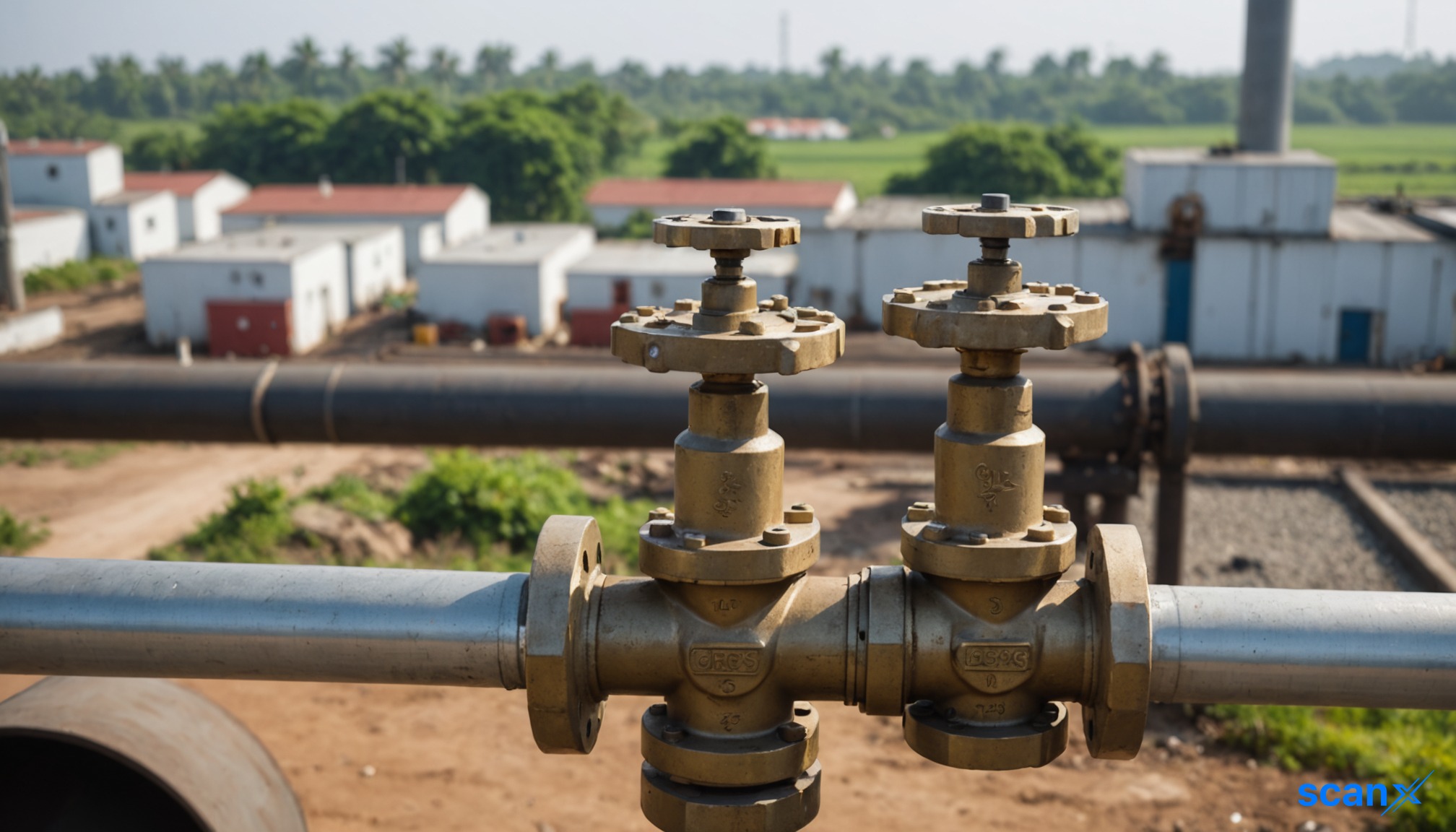
*this image is generated using AI for illustrative purposes only.
BCL Industries has filed its Business Responsibility & Sustainability Report (BRSR) for FY26 with the Bombay Stock Exchange and National Stock Exchange. The disclosure, submitted on September 1, 2026, outlines the company's operational footprint, environmental initiatives, and governance practices for the financial year ended March 31, 2026.
Operational Overview
The company operates primarily from Punjab, with one plant and two offices. Its business activities are dominated by distillery operations, which contributed 58.07% of turnover, followed by maize oil and refinery activities at 35.28%. Ethanol remains the largest product contributor, accounting for 63% of total turnover.
| Product/Service | % of Total Turnover |
|---|---|
| Ethanol | 63 |
| ENA | 17 |
| DDGS | 8 |
| PML | 8 |
| Others | 4 |
Environmental Metrics
BCL Industries reported a total energy consumption of 1,49,61,88,756.5 MJ for FY26, an increase from 1,08,24,64,136.4 MJ in FY25. Renewable sources accounted for the vast majority of this usage. The company maintains a Zero Liquid Discharge (ZLD) policy, reporting nil water discharge to surface or groundwater bodies.
Total water withdrawal stood at 669,082 kilolitres, compared to 644,992 kilolitres in the previous year. Waste generation remained minimal, with only 1.0 metric tonne of hazardous waste recorded in FY26.
Governance and Compliance
The Board of Directors oversees business responsibility policies, with annual reviews conducted by the CSR Committee. The company disclosed a penalty of ₹23,600 each to NSE and BSE for inadvertent non-compliance with SEBI LODR regulations regarding investor grievance redressal filings in Q4FY25. No appeals were preferred against these fines.
What the Numbers Show
The significant rise in total energy consumption aligns with the expansion in renewable energy usage, which grew from 1,08,15,70,193 MJ in FY25 to 1,49,58,14,438 MJ in FY26. This shift underscores the company's reliance on renewable fuel sources, likely driven by its biomass-based power generation initiatives using paddy straw.
Historical Stock Returns for BCL Industries
| 1 Day | 5 Days | 1 Month | 6 Months | 1 Year | 5 Years |
|---|---|---|---|---|---|
| -3.56% | -1.63% | -13.76% | +16.81% | -22.13% | 0.0% |

How will the increased reliance on biomass-based power generation impact BCL Industries' energy cost stability amidst fluctuating paddy straw availability?
What are the potential regulatory or market risks associated with the recent SEBI LODR compliance penalties, and how might this influence investor confidence in the company's governance framework?
Given that ethanol contributes 63% of turnover, how vulnerable is BCL Industries to potential shifts in government ethanol blending mandates or pricing policies in FY27?
 20
20








 Access Market Heat-map & Insights
  Create, Save & Share your Screener
  Use 200+ Screening Filters





