

Oil crash masks looming 2030 supply shock


Benchmark crude has slipped below pre-Iran war levels as speculative positioning retreats, but physical inventories are evaporating. Analysts point to a 141-million-barrel deficit relative to the 5-year average and warn that underinvestment in sustaining capital creates a supply shock risk by 2030.



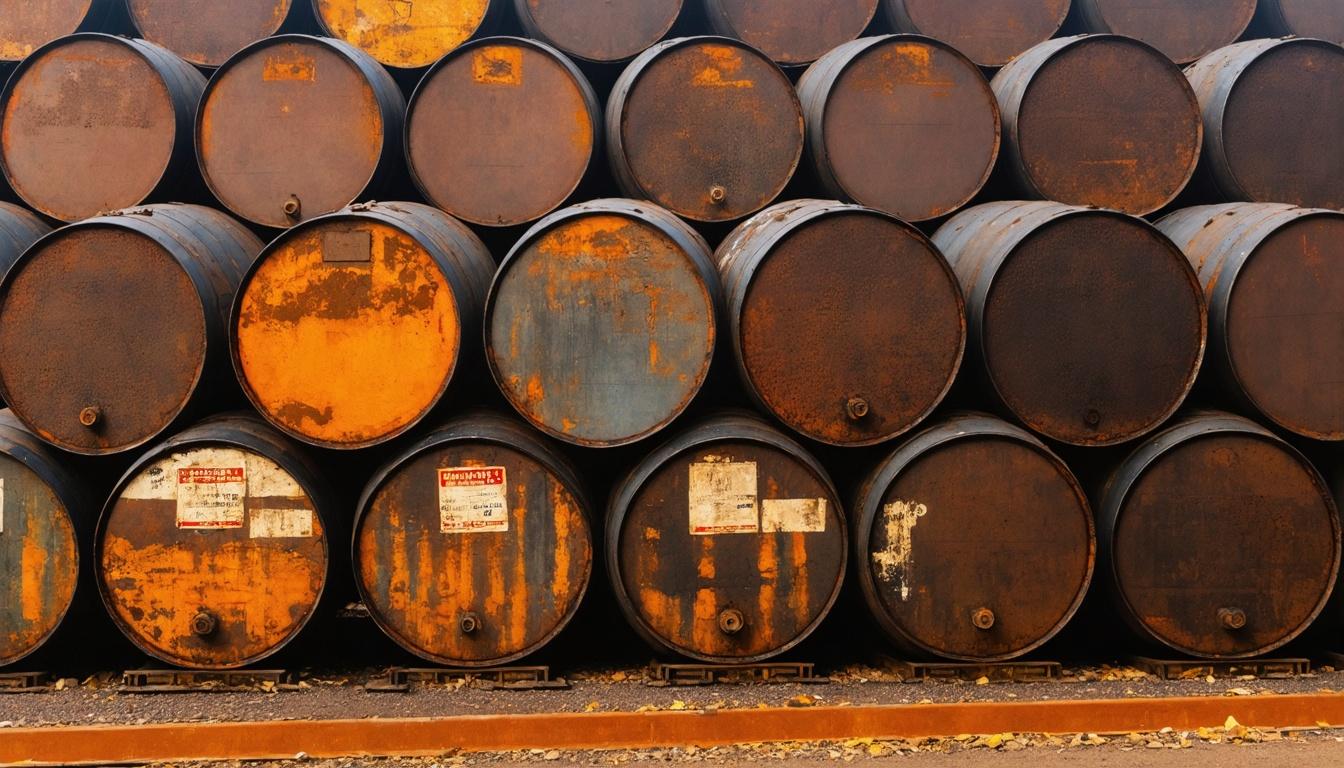
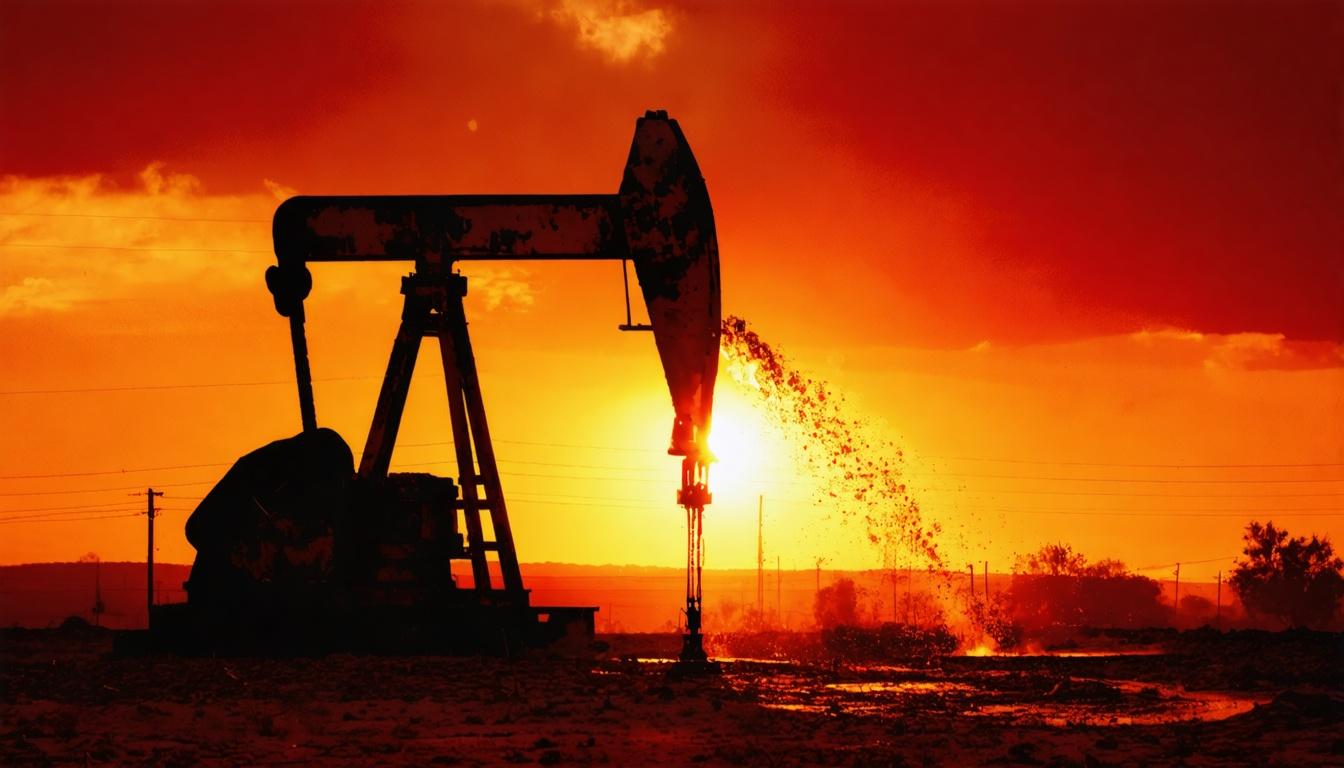
*this image is generated using AI for illustrative purposes only.
Benchmark crude has slipped below levels seen before the outbreak of the Iran war, masking a tightening physical market characterized by evaporating inventories and a looming supply shock. Net speculative length has collapsed from 511 million barrels to 162 million, a retreat to positioning last seen before the latest supply scare, according to Eric Nuttall, a Senior PM at Ninepoint Partners. Despite the bearish price action, the market has shifted from a 177-million-barrel surplus to a 141-million-barrel deficit relative to the 5-year average, with floating storage fully absorbed.
Domestic commercial crude inventories are near their lowest levels since at least 2016, and the Strategic Petroleum Reserve is at its lowest level since 1983. This tightness suggests that recent price weakness may be temporary rather than indicative of a structural surplus.
Demand and Supply Dynamics
China accounted for 74% of the worldwide decline in crude imports by May, according to Ken Chao, CIO of YCC Capital. Data for June shows Chinese oil imports were down 4.9 million barrels per day year over year. However, downstream indicators such as US crack spreads—hovering around $57 a barrel near the $59 record—along with mobility data and refinery margins, point to resilient demand.
"You cannot drop your imports by 5 million barrels per day when your domestic demand remains very strong," Nuttall said. "And so, the thought is that they’ve been depleting invisible stocks of refined product… eventually they will have to come back to the market."
On the supply side, restoring production after shutdowns is difficult due to the need for pressure management, infrastructure repairs, and time. Extended shutdowns can permanently damage reservoir performance. Nuttall estimates that about 9.4 million barrels a day of Middle Eastern production remains shut in or curtailed.
Long-Term Investment Risks
Veteran investor Rick Rule warns that producers have been underinvesting in sustaining capital by a billion dollars a day, a mismatch that could drive future prices. Rule believes the market is overlooking the 2029–2030 setup, focusing instead on recent chart performance. "We’re going to have a spectacular buying opportunity," he said.
| Metric | Value |
|---|---|
| Net speculative length decline | 511 million to 162 million barrels |
| Inventory deficit vs 5-year average | 141 million barrels |
| China crude import decline (June) | 4.9 million barrels per day |
| Middle Eastern production shut in | 9.4 million barrels per day |
| Daily underinvestment in sustaining capital | $1 billion |
Potential beneficiaries include industry leaders such as Schlumberger and Halliburton, as well as the VanEck Oil Services ETF. "It isn’t just the repair of the stuff that’s been blown up. It’s the fact that in the early part of the decade of the 2030s, we’re going to need to make up for that deferred sustaining capital investment," Rule concluded.

How long can China sustain its reduced import levels before depleting its refined product inventories?
What is the estimated timeline for restoring the 9.4 million barrels per day of shut-in Middle Eastern production?
How will the daily $1 billion underinvestment in sustaining capital impact supply stability by 2030?
 19
19












 Access Market Heat-map & Insights
  Create, Save & Share your Screener
  Use 200+ Screening Filters





