

China's gold ETF overtakes equity fund as capital shifts


China's Huaan Yifu Gold ETF has overtaken the Huatai-PineBridge CSI 300 ETF, marking the first time a gold fund is the country's largest. This reflects a reallocation of savings from volatile equities and property to gold. The shift coincides with aggressive central bank buying and new gold clearing infrastructure in Hong Kong.


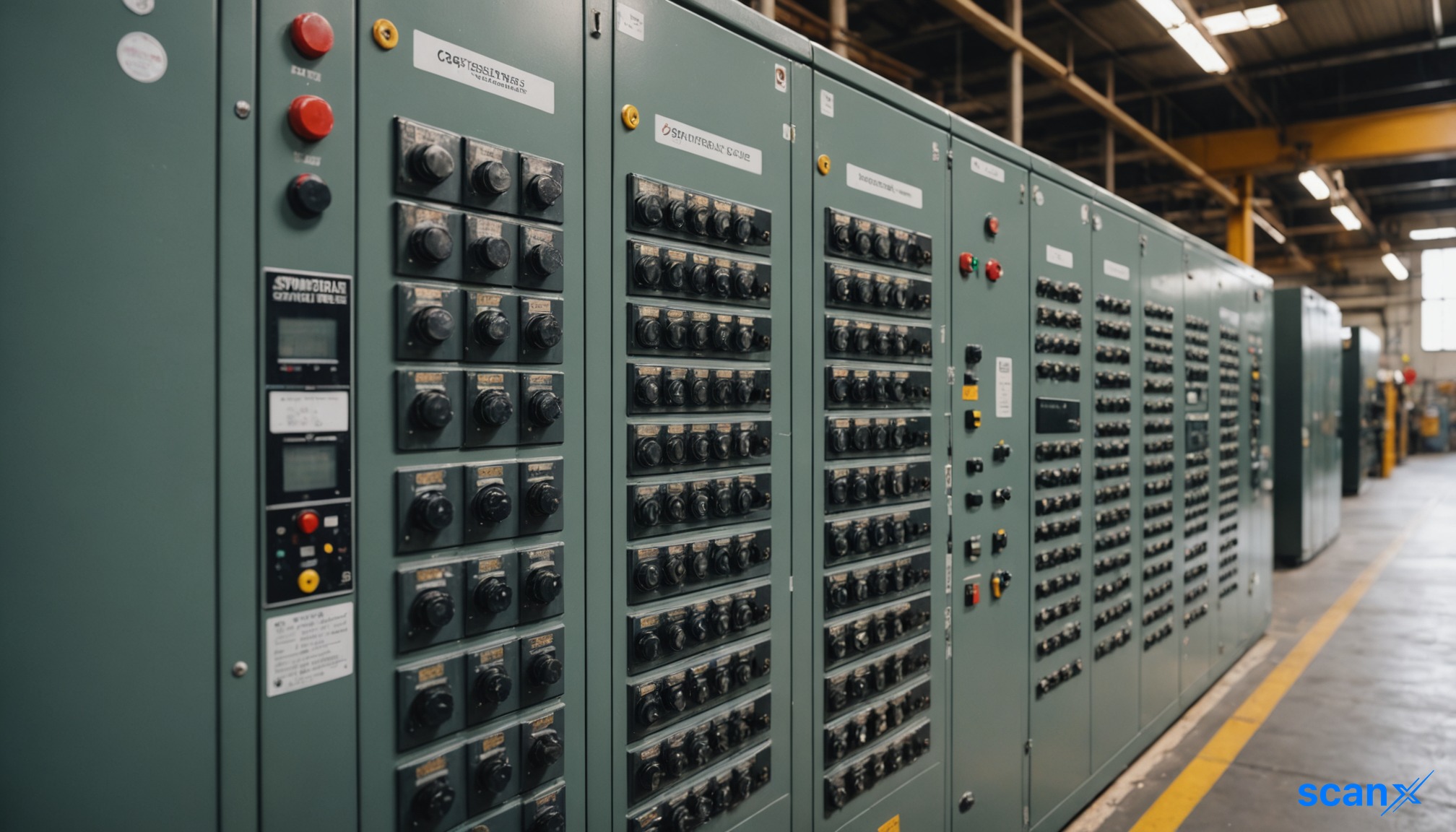
*this image is generated using AI for illustrative purposes only.
China has reached a turning point for its capital markets. For the first time, the largest domestic exchange-traded fund is no longer one that tracks equities but one that tracks gold. The Huaan Yifu Gold ETF has overtaken the Huatai-PineBridge CSI 300 ETF, once the flagship vehicle for China’s benchmark stock index and a centerpiece of state-backed market support. This shift reflects a broad reallocation of Chinese savings away from an unrecovered property sector and volatile equity markets toward an asset increasingly touted as the country’s most reliable store of value.
The shift mirrors the aggressive accumulation of physical gold. China’s central bank has been an aggressive buyer, adding to its official reserves for 19 consecutive months through May. These actions indicate that the center of gravity in the bullion market continues to shift from the West to the East. Gold inventories have been leaving London, Comex warehouses and European vaults as bullion is shipped to Asia to satisfy rising regional demand.
Global market divergence
The relative scale highlights just how extraordinary China’s ETF reversal is. In the U.S., the SPDR S&P 500 ETF Trust (NYSE: SPY) has a market capitalization of approximately $675.87 billion, compared with $133.42 billion for the SPDR Gold Trust (NYSE: GLD). For GLD to match SPY under current valuations, the gold fund would need to grow by more than 400%. This mid-triple-digit disparity reflects the preference for equities in American portfolios.
| Metric | Value |
|---|---|
| SPY Market Cap | $675.87 billion |
| GLD Market Cap | $133.42 billion |
| Required GLD Growth | >400% |
China’s crossover required a far smaller rebalancing, but its implications may be larger. It illustrates what can happen when confidence in property, stocks, and repeated government market interventions erodes simultaneously. Investors stop rotating assets and start redefining what constitutes financial security.
Asian infrastructure expansion
As Hong Kong and Singapore compete for the pole position in the new Asian order, physical metal flows into the region. This week, Hong Kong is launching the long-awaited gold clearing and settlement system through Hong Kong Precious Metals Central Clearing Company. Through the initiative, the city will transform from a passive price taker into an active participant in global price discovery.
A group of 11 major international and regional banks, including HSBC, JPMorgan, Citi, UBS, and Bank of China, will provide initial liquidity. Meanwhile, Hong Kong Exchanges & Clearing is waiving fees on its U.S. dollar gold futures for a year to stimulate trading. With strong existing demand and newly minted infrastructure, Asia is increasingly dictating not only where bullion is stored but also where its price is ultimately determined.

How might the sustained dominance of gold ETFs over equity funds impact the liquidity and valuation of China’s domestic stock market?
Could the shift in gold inventories from Western vaults to Asia lead to a decoupling of regional gold prices from established benchmarks like the London fix?
What are the potential risks for the Chinese economy if household capital continues to flee the property sector without a stabilizing recovery?
 15
15














 Access 50+ Readymade Screeners
  Use 200+ Custom Filters
  Get Full Market Insights





