

Gold Reaches Record High Amid Federal Reserve Legal Tensions and Iran Geopolitical Unrest


Gold reached record highs near $4,600 per ounce driven by US Justice Department subpoenas served to the Federal Reserve and escalating Iran protests. The precious metals rally reflects multiple market uncertainties including institutional risks and geopolitical tensions. Silver jumped 4.60% to near all-time peaks while recent US jobs data supports expectations for continued Fed rate cuts, benefiting non-yielding precious metals.


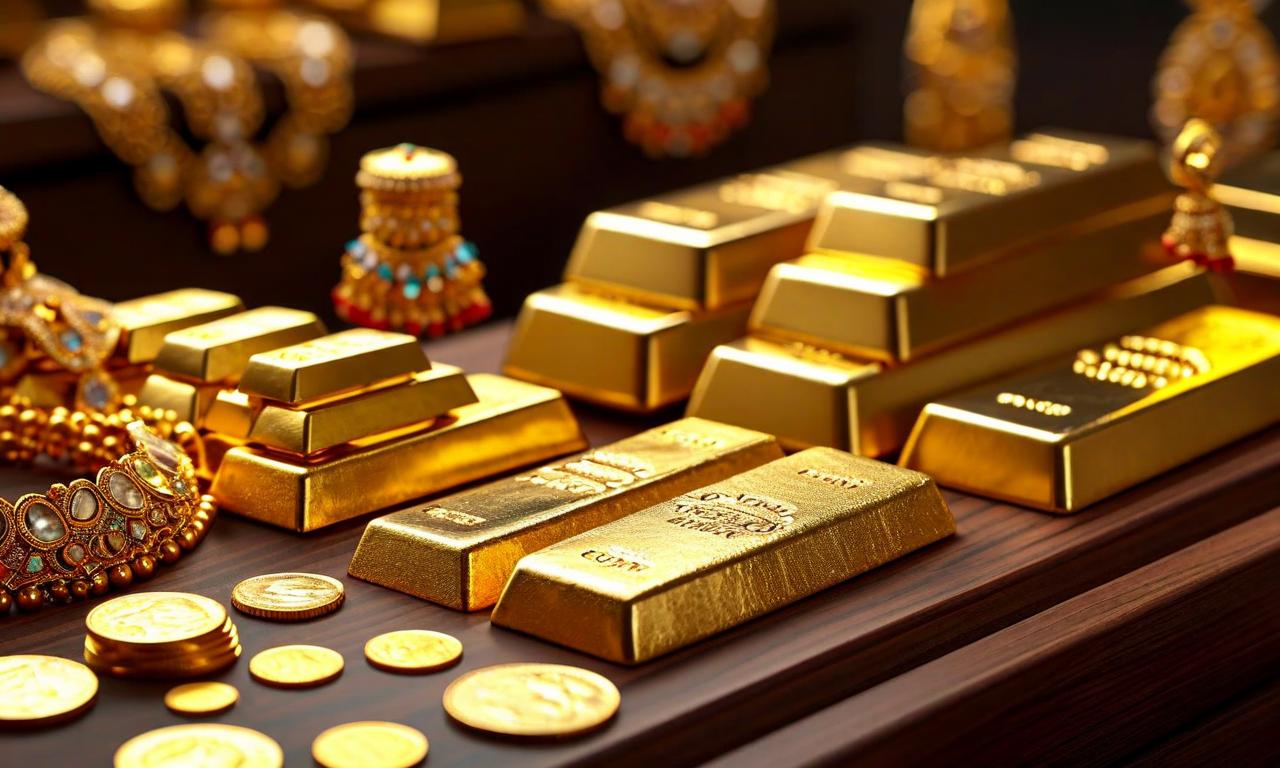
*this image is generated using AI for illustrative purposes only.
Gold prices surged to record highs on Monday, with bullion reaching just below $4,600.00 per ounce as multiple geopolitical and institutional factors converged to drive safe-haven demand. The precious metal's rally reflects growing market uncertainties spanning from Federal Reserve independence concerns to escalating Middle East tensions.
Federal Reserve Faces Legal Pressure
The gold surge coincided with revelations that the US Justice Department has served grand jury subpoenas to the Federal Reserve. Fed Chair Jerome Powell disclosed that the central bank received these subpoenas related to his congressional testimony regarding renovations of the Fed's headquarters. This development represents a significant escalation in tensions between the monetary authority and the current administration, raising concerns about the independence of the Federal Reserve.
| Development: | Details |
|---|---|
| Legal Action: | Grand jury subpoenas served to Federal Reserve |
| Subject Matter: | Congressional testimony on Fed headquarters renovations |
| Market Impact: | Institutional risk premium driving gold demand |
| Price Response: | Gold near $4,600.00 per ounce |
Iran Protests Fuel Geopolitical Tensions
Simultaneously, deadly protests in Iran have intensified geopolitical risks, contributing to precious metals' haven appeal. The possibility of political upheaval in the Islamic Republic has injected uncertainty into both geopolitical calculations and oil markets. These developments come amid broader regional tensions, with potential implications for global energy supplies and Middle East stability.
Precious Metals Market Performance
The broader precious metals complex experienced significant gains, reflecting widespread safe-haven demand across the sector.
| Metal: | Performance | Price Level |
|---|---|---|
| Gold: | +1.70% | $4,585.39 per ounce |
| Silver: | +4.60% | Near all-time peak |
| Palladium: | Advanced | Not specified |
| Platinum: | Advanced | Not specified |
Silver's performance was particularly notable, jumping 4.60% after surging nearly 10% the previous week. The metal traded just below its all-time peak, demonstrating the broad-based nature of precious metals demand.
Economic Backdrop Supports Metals
Recent US employment data has maintained expectations for additional Federal Reserve interest rate cuts, providing fundamental support for non-yielding precious metals. The jobs report showed growth below forecasts, reinforcing market bets that the Fed will continue reducing borrowing costs to support economic growth. Markets have priced in at least two rate cuts for the current year, following three consecutive reductions in the previous period.
Market Outlook and Institutional Perspective
According to Charu Chanana, a strategist from Saxo Markets in Singapore, the current environment represents "a reminder of how many uncertainties markets are juggling — geopolitics, the growth/rates debate, and now a fresh headline-driven reminder of an institutional risk premium." More than a dozen money managers have indicated they are maintaining their precious metals positions, expressing conviction in bullion's long-term appeal despite recent record-setting performance.
The Bloomberg Dollar Spot Index declined 0.20%, providing additional support for dollar-denominated commodities. Gold's recent performance builds on a record-setting year where multiple supportive factors combined, including falling interest rates, heightened geopolitical tensions, and reduced confidence in traditional currency holdings.
 16
16













 Access 50+ Readymade Screeners
  Use 200+ Custom Filters
  Get Full Market Insights





