

IEA to set G7 oil stock release details at October board meeting


- IEA board meeting on October 14-15 will finalize G7 stock release details
- Global oil stocks fell to less than 6 billion barrels from 10 billion
- U.S. diesel prices rose 94% to $200/barrel vs 45% rise in Brent
- G7 agreed to release up to 100 million barrels over four months

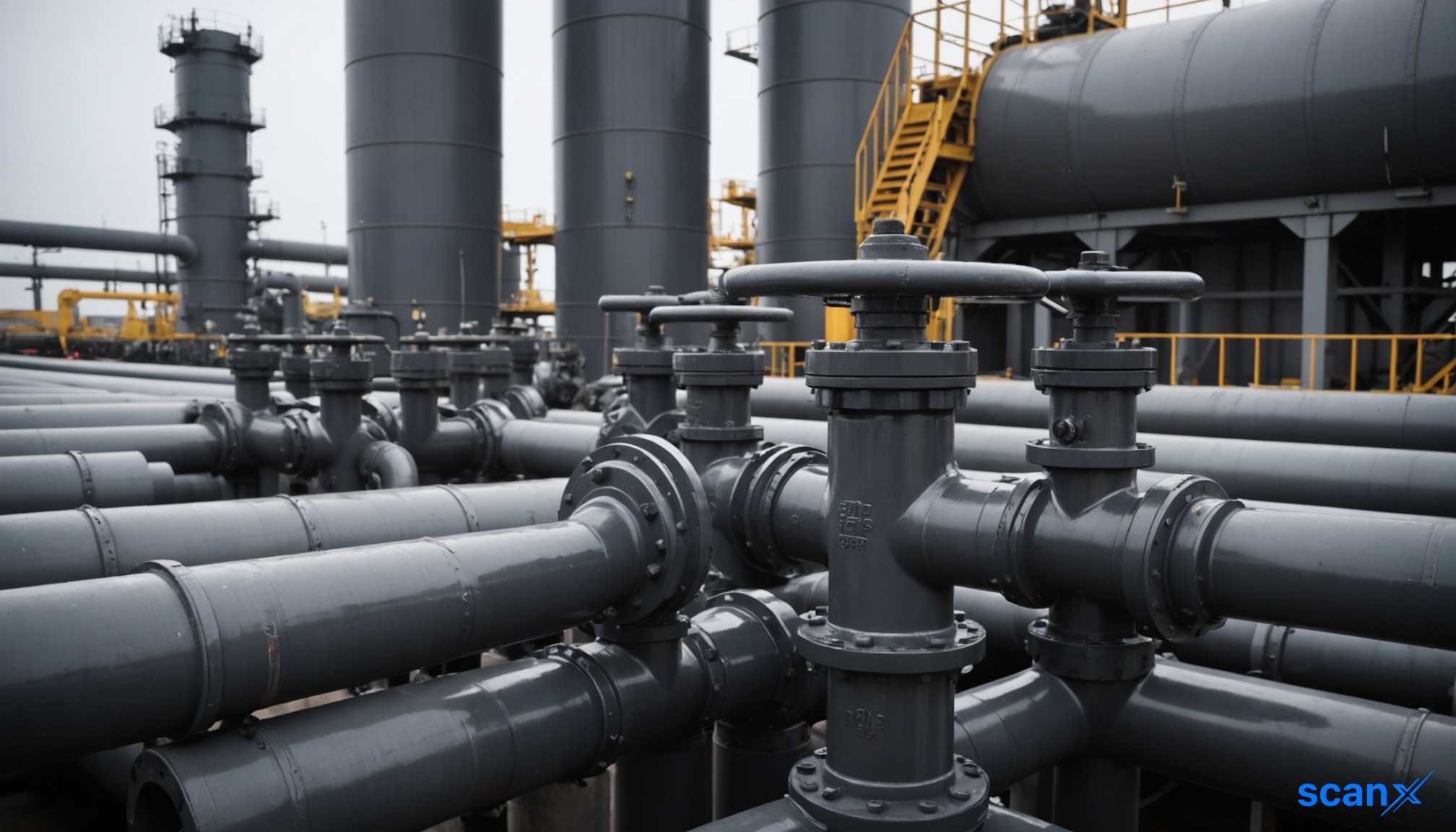

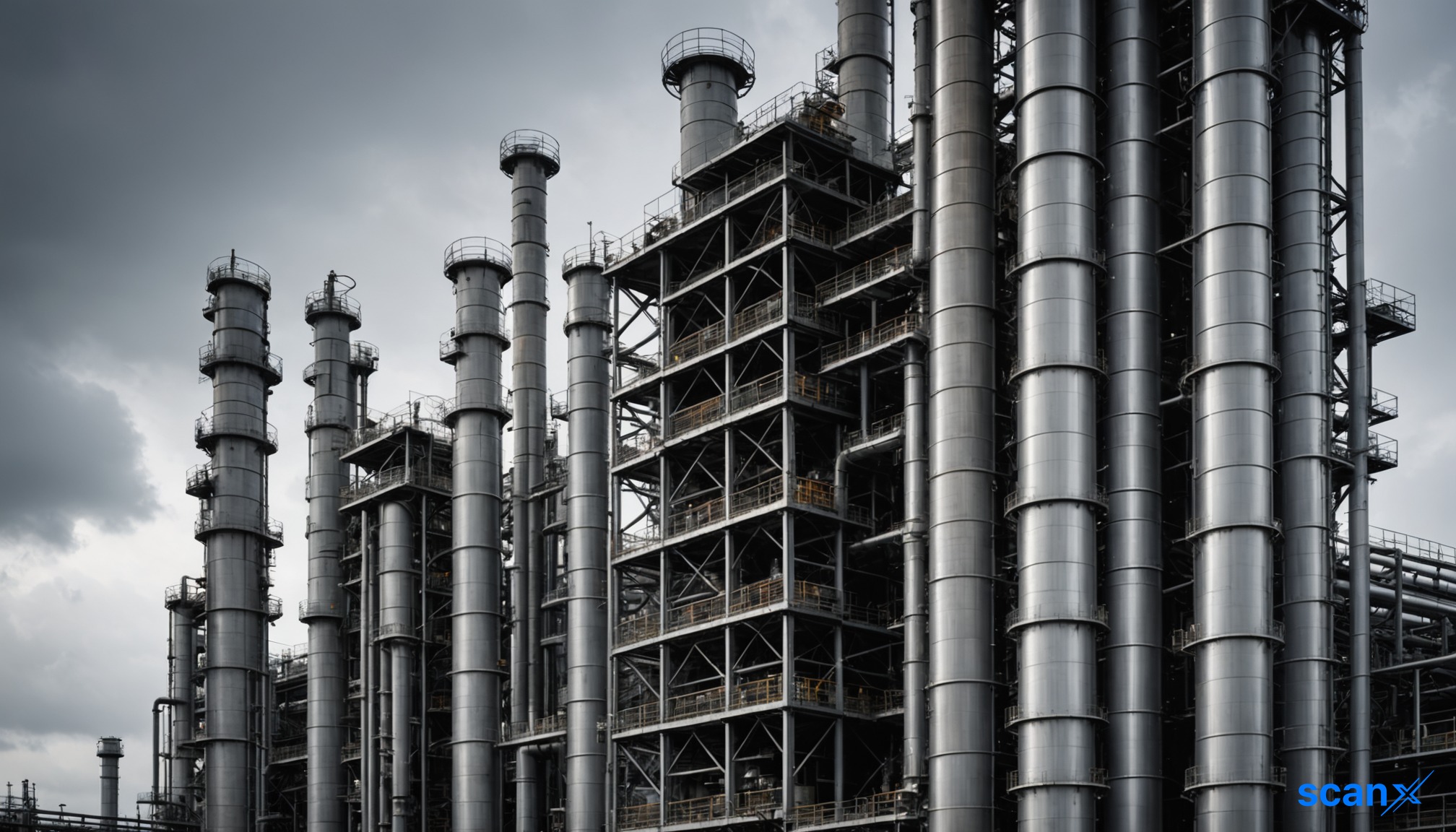
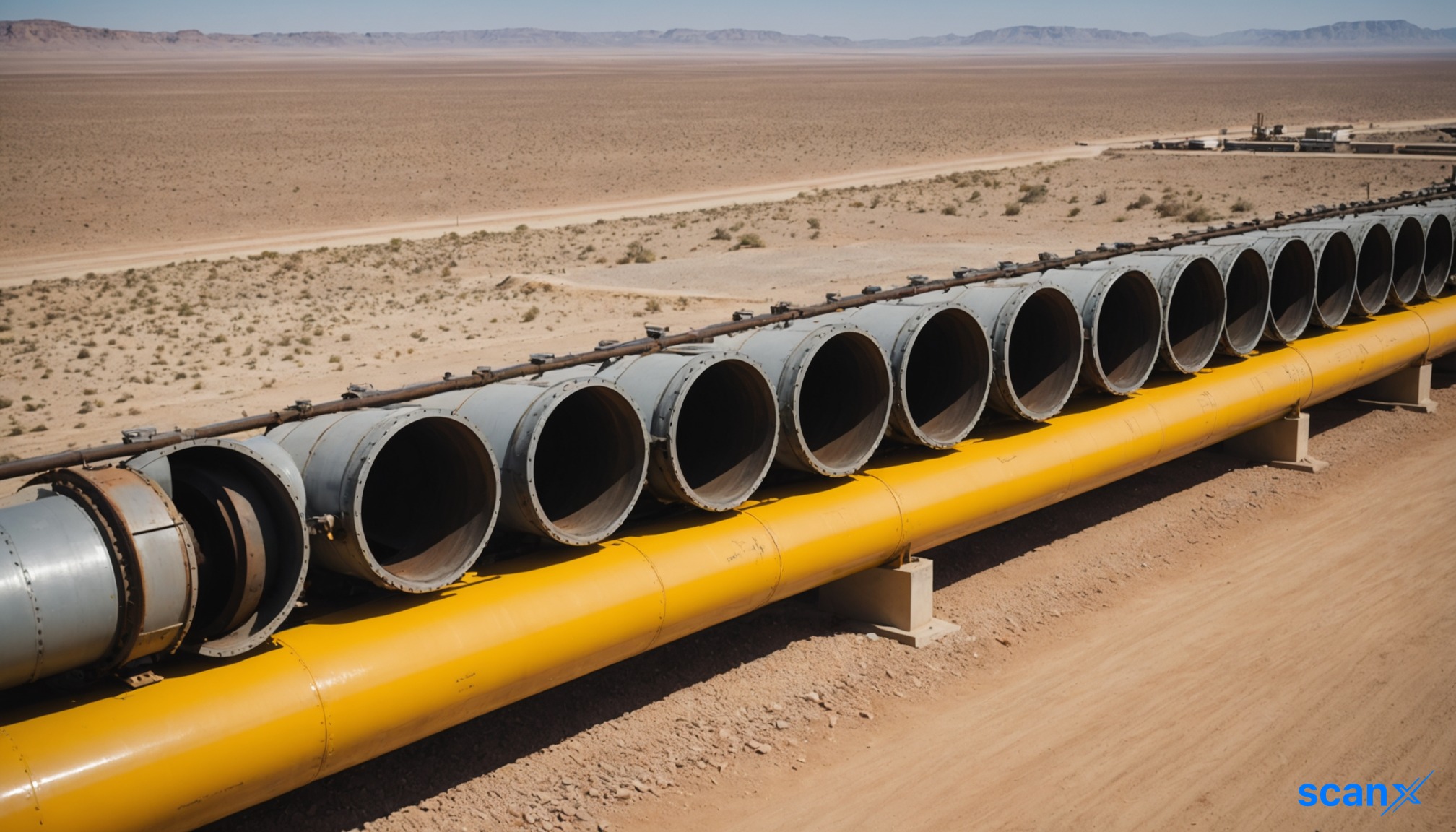
*this image is generated using AI for illustrative purposes only.
Saudi Aramco Chief Executive Officer Amin Nasser stated Monday that global oil stockpiles have become "scarily thin," falling to less than 6 billion barrels from approximately 10 billion at the start of the U.S.-Iran conflict. Only about 10% of these reserves are practically available due to technical restrictions, intensifying pressure on crude supplies.
Speaking at the Energy Intelligence Forum in London, Nasser warned that until the Strait of Hormuz fully reopens, market pressure will remain severe. The International Energy Agency reported that more than 10 million barrels a day of Gulf output remained shut in during August. Global observed inventories dropped another 95 million barrels that month, bringing the total decline since February to 507 million barrels.
Governments deploy strategic reserves
To address the deficit, the Group of Seven agreed to release up to 100 million barrels over four months. The agreement prioritizes a "frontloaded substantial diesel release" and removes potential U.S. export bans on diesel, a critical supply line for Europe which sources over half its imports from the U.S.
French President Emmanuel Macron described the discussions as constructive rather than threatening. Meanwhile, U.S. President Donald Trump intends to complete a full 172-million-barrel drawdown from the Strategic Petroleum Reserve, which currently holds 283 million barrels, covering roughly two weeks of domestic consumption. The administration is also seeking bids for up to 40 million barrels with premium return terms.
IEA to finalize release mechanics
The International Energy Agency is expected to decide the specific details of the G7 diesel and oil stock release at its board meeting scheduled for October 14-15. This decision will operationalize the previously announced agreement to release up to 100 million barrels, clarifying the timing and distribution mechanisms for the strategic reserve drawdowns.
Refined fuel margins expand sharply
Nasser noted that refined fuel prices have risen even more sharply than crude. IEA data indicates Gulf exports of refined products and LPG remain nearly 60% below February levels, representing a loss of 3.7 million barrels a day. Combined net diesel and gasoil exports from the Gulf and Russia are 1.6 million barrels a day lower than pre-war levels.
U.S. diesel prices surpassed $200 a barrel in early September, marking a 94% increase from prewar levels. In comparison, ICE Brent futures rose about 45% to roughly $105. This divergence favors refiners with high distillate output and non-Gulf crude exposure.
| Metric | Current Level | Change from Pre-War | Source |
|---|---|---|---|
| Global Oil Stocks | < 6 billion barrels | - 40% (approx.) | Aramco |
| Available Stocks | ~10% of total | N/A | Aramco |
| Gulf Output Shut-in | > 10 million bpd | N/A | IEA |
| U.S. Diesel Price | $200/barrel | +94% | Market Data |
| ICE Brent Futures | ~$105/barrel | +45% | Market Data |
What the numbers show
The data reveals a structural divergence between upstream and downstream markets. While crude inventories have dropped significantly, the scarcity of refined products is more acute. The 94% rise in diesel prices against a 45% rise in Brent crude highlights a widening crack spread. This suggests that logistical bottlenecks in refining capacity and product distribution are exerting greater pricing power than raw material availability alone.
Refiners such as Valero Energy Corporation, Marathon Petroleum Corporation, and Phillips 66 benefit from this spread as they operate without direct exposure to Persian Gulf transit lanes. Marathon Petroleum reported average utilization of 95% across its Mid-Continent and Gulf Coast footprint, isolating it from surging maritime tanker rates.
However, macro risks persist. The IEA forecasts industrial demand destruction risk at 2.5 million barrels a day in 2025. Additionally, any diplomatic breakthrough could rapidly deflate refining cracks. Until commercial flows normalize, the global refining complex remains stretched to its operational limit.

How will the IEA's October 14-15 decision on release mechanics specifically impact the timing and geographic distribution of the 100 million barrel G7 stock drawdown?
To what extent can U.S. refiners like Marathon and Valero sustain current high utilization rates without facing operational bottlenecks or maintenance delays?
What are the projected economic impacts on European industries if the reliance on U.S. diesel exports continues amidst potential logistical constraints?
 19
19





 Access 50+ Readymade Screeners
  Use 200+ Custom Filters
  Get Full Market Insights





