

G7 releases 100 million barrels as diesel prices hit record highs


- G7 releases 100 million barrels via IEA to lower fuel prices
- US diesel peaked at $6.529 per gallon before easing to $6.382
- Marathon Petroleum reports Q2 net income of $5.1 billion
- Valero Energy reports Q2 net income of $3.7 billion
- Brent crude rises 14% to $102.60 amid geopolitical tensions


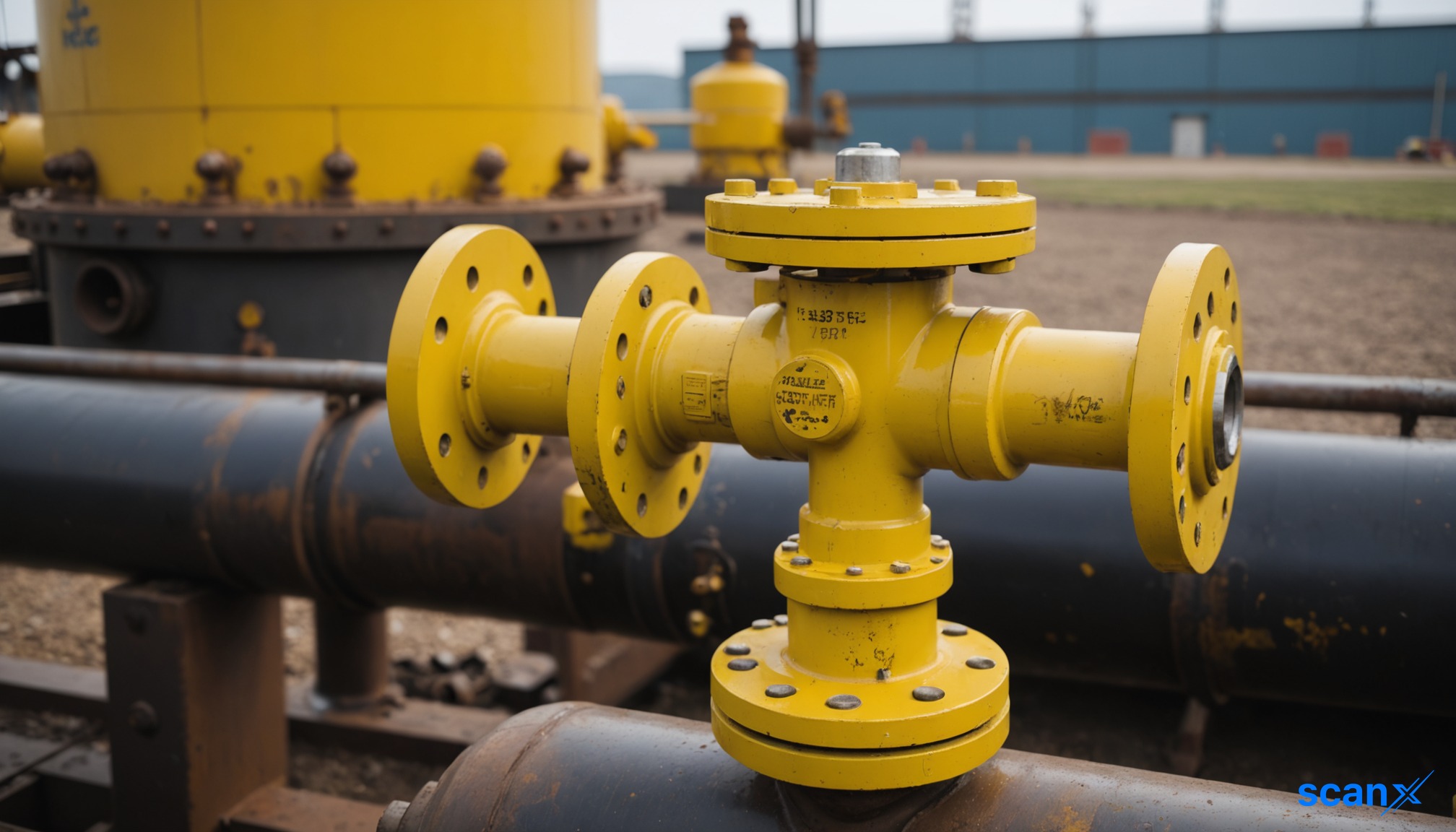
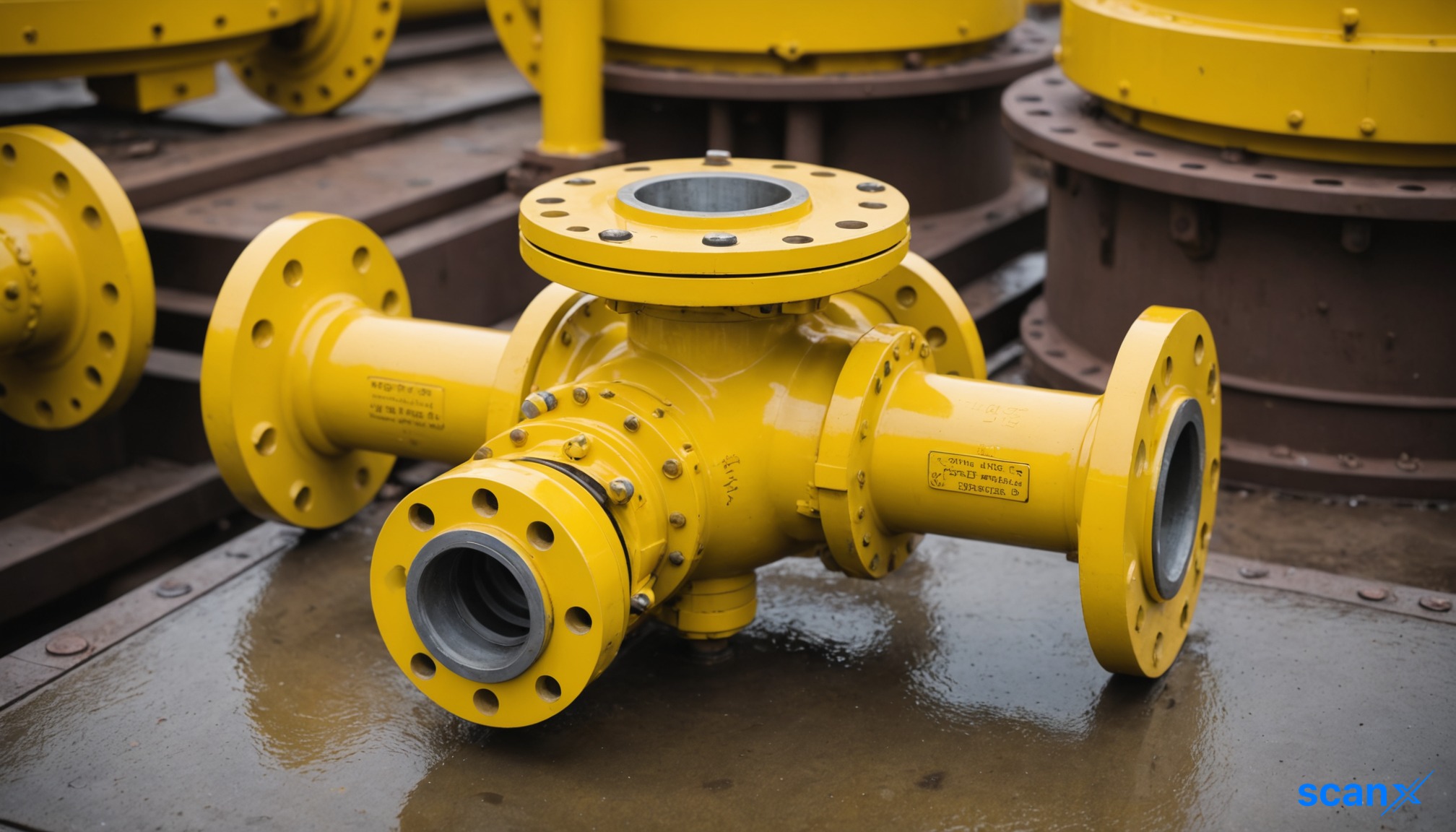
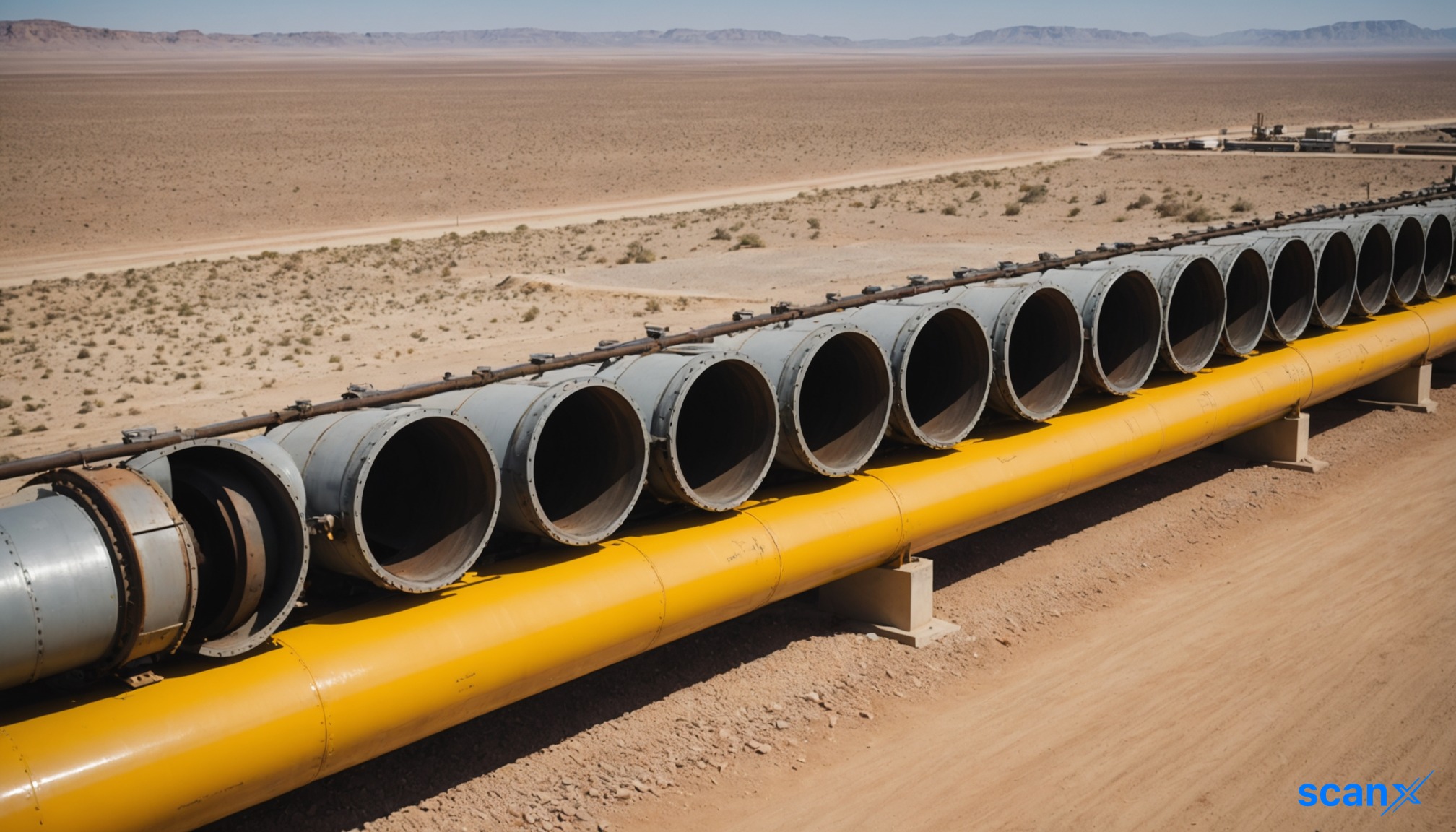
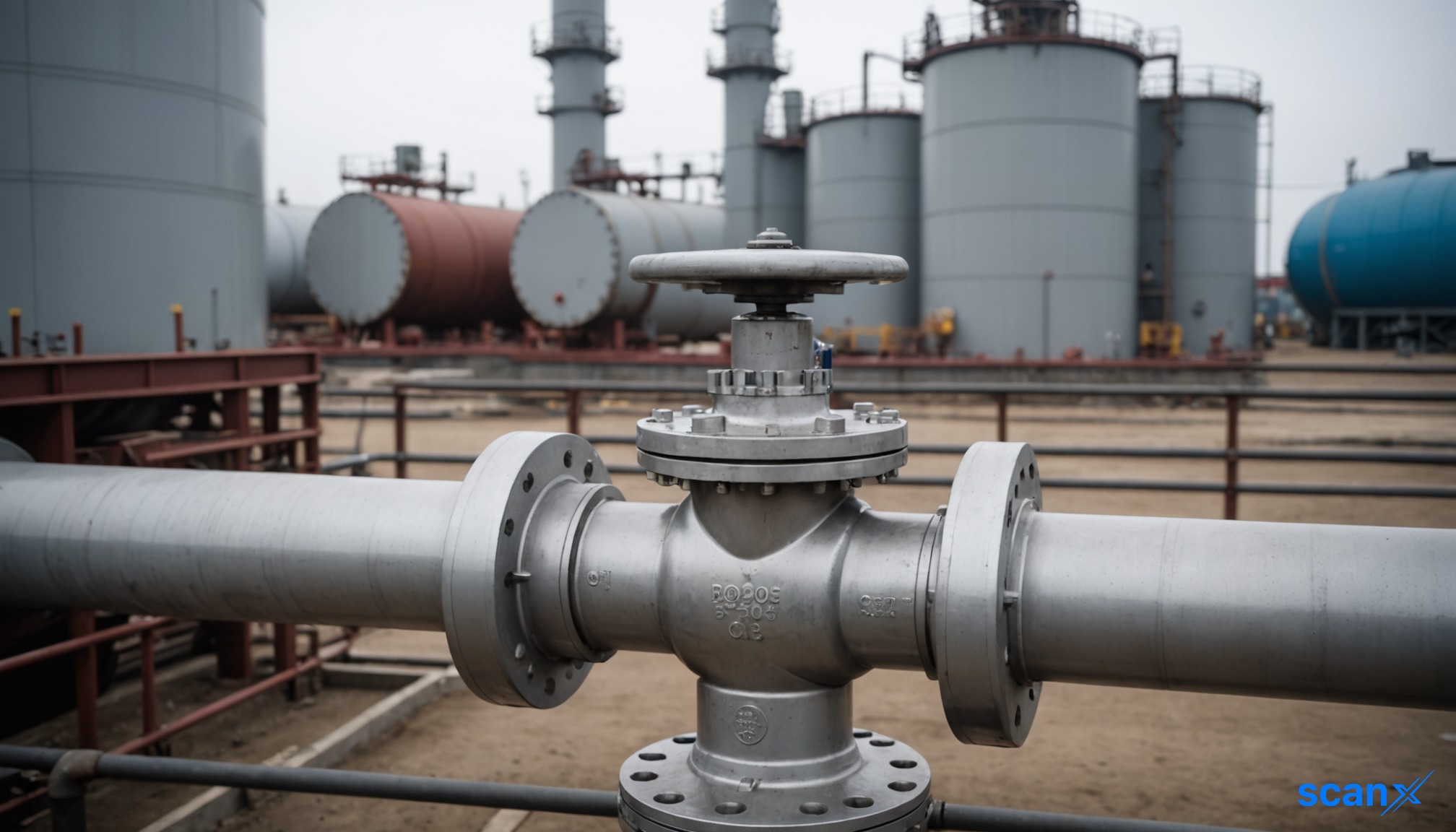
*this image is generated using AI for illustrative purposes only.
Brent crude oil prices climbed to $102.60, marking a 14% increase from their September low, as escalating geopolitical conflicts in the Middle East and Eastern Europe overshadowed coordinated efforts to stabilize markets. The surge reflects heightened risk premiums driven by direct threats to critical energy infrastructure and supply routes.
Geopolitical flashpoints drive price action
The primary catalyst for the recent rally is the intensification of conflict in three key regions. In the Middle East, Saudi Arabian and Yemeni government forces launched a counteroffensive against Houthi rebels on Sunday. The objective is to retake territory seized in recent weeks, most critically the Bab al-Mandeb Strait, a vital artery for Saudi oil exports. Concurrently, Houthis struck a Saudi Aramco refinery within Saudi Arabia, signaling capability to target additional infrastructure, including the recently reopened East-West pipeline.
In Europe, Ukraine’s President Volodymyr Zelenskiy announced plans to double attacks on Russian oil refineries. This strategy responds to Moscow’s intensified airstrikes on Kyiv and other cities. The targeting of critical energy infrastructure poses sustained supply risks, as repair timelines for such facilities are inherently long.
Tensions between the US and Iran also remain elevated. The Trump administration deployed an additional warship near Iranian waters. Analysts suggest Iran may escalate regional hostilities, including potential strikes on US targets or continued harassment of vessels in the Strait of Hormuz, to influence oil prices ahead of US midterm elections.
G7 intervention struggles against supply fears
Despite these escalations, G7 nations agreed to release 100 million barrels from strategic reserves to curb rising fuel costs. French President Emmanuel Macron confirmed the decision following a summit, noting a coordinated effort to lower petroleum product prices, particularly diesel. However, market participants view the geopolitical supply threats as more immediate and impactful than the gradual release of reserves.
Energy Secretary Chris Wright hailed the G7’s decision to release 100 million barrels of oil and refined products through the International Energy Agency (IEA). In a post on X, Wright stated that the majority of the release would be diesel and would deliver "tremendous benefits for American farmers, truckers, and builders." He thanked President Donald Trump for prioritizing American workers.
According to a statement from the Embassy of France in the US, the release committed to the IEA will begin immediately over four months. It includes a frontloaded substantial diesel release within the first 20 days by G7 members and partners. This follows a request for proposal (RFP) released by the US for oil loans from the Strategic Petroleum Reserve (SPR). The United States approved an additional 40 million barrels from its SPR the same week to complete its share of the G7 commitment.
Diesel prices peak at record levels
The pressure at the pump has reached record levels. The U.S. Energy Information Administration's weekly national average for on-highway diesel peaked at $6.529 per gallon in late September before easing to $6.382 on September 28, against $3.754 a year earlier. Regular gasoline averaged $4.465. Data from the American Automobile Association (AAA) indicated that the national average price of diesel in the US declined to $6.3207 per gallon on Monday, after remaining elevated over the past few months.
The squeeze has come from several directions at once: the conflict involving Iran, Russian restrictions on fuel exports following strikes on its refineries, and curbs on Chinese fuel exports, all landing on global distillate inventories that were already thin. Washington has been testing other levers as well. In late September, lawmakers floated a temporary restriction on U.S. diesel exports, and the White House said the president was evaluating all options. No export restriction has been announced, but the discussion was enough to knock refining shares lower for a week before they recovered at the start of October.
Refiners report record quarterly earnings
Independent refiners have captured significant gains as product prices run ahead of crude. The second-quarter results show how far margins had already expanded before diesel's September spike. The G7 release is designed to narrow that spread.
| Company | Q2 Net Income | EPS | Refining Margin | Throughput |
|---|---|---|---|---|
| Valero Energy (NYSE: VLO) | $3.7 billion | $12.62 | $23.62/bbl | 3.0 million bpd |
| Marathon Petroleum (NYSE: MPC) | $5.1 billion | $17.73 | $36.33/bbl | 2.9 million bpd |
| Phillips 66 (NYSE: PSX) | $3.8 billion | $9.55 | $24.08/bbl | N/A |
| HF Sinclair (NYSE: DINO) | $892 million | $4.93 | $25.95/bbl | 639,680 bpd |
Valero Energy Corporation reported net income attributable to stockholders of $3.7 billion, or $12.62 per share, up from $714 million, or $2.28 per share, a year earlier. Refining segment operating income rose to $4.5 billion from $1.3 billion. Marathon Petroleum Corporation reported net income of $5.1 billion, or $17.73 per diluted share, compared with $1.2 billion, or $3.96 per diluted share, a year earlier. Its refining and marketing margin rose to $36.33 per barrel from $17.58. Phillips 66 reported earnings of $3.8 billion, or $9.55 per share, with realized margin rising to $24.08 per barrel from $10.11 in the first quarter. HF Sinclair Corporation reported net income of $892 million, or $4.93 per diluted share, up from $208 million, or $1.10 per diluted share, a year earlier.
Technical analysis signals bullish momentum
WTI crude oil exhibits strong technical support, having rebounded from a July 2 low of $67.17 to $91.25. The price has maintained its position above an ascending trendline connecting lows since July. Additionally, WTI remains stable above both the 50-day Exponential Moving Average (EMA) and the Ichimoku cloud indicator, suggesting continued upward pressure as long as geopolitical instability persists.
| Benchmark | Current Price | Change from Low | Key Support Levels |
|---|---|---|---|
| Brent Crude | $102.60 | +14% | N/A |
| WTI Crude | $91.25 | +35.8% (from $67.17) | 50-day EMA, Ichimoku Cloud |
What the numbers show
The divergence between policy action and market reaction highlights a shift in trader sentiment. While the G7’s 100 million barrel release represents a significant quantitative intervention, the 14% rise in Brent suggests that traders perceive the physical risk to supply chains, specifically through the Bab al-Mandeb and Strait of Hormuz, as a greater threat than short-term demand destruction or inventory gluts. The technical breakout of WTI above long-term moving averages further confirms that institutional positioning favors supply-side constraints over macroeconomic headwinds. Furthermore, the simultaneous reporting of record refining margins (e.g., MPC at $36.33/bbl) alongside record consumer diesel prices ($6.529/gal) indicates that the current price spike is driven by downstream bottlenecks and distillate shortages rather than just crude supply issues.

Will the frontloaded diesel release from G7 strategic reserves be sufficient to offset the structural distillate shortages caused by Chinese export curbs and Russian refinery damage?
How might the US administration's potential implementation of a temporary diesel export ban impact global refining margins and international trade flows?
What are the long-term implications for energy infrastructure investment if repeated strikes on Saudi Aramco facilities and Russian refineries continue to disrupt supply chains?
 17
17





 Create Custom Screeners
  Access 200+ Pre-built Filters
  Use 50+ Readymade Screener





