

Nvidia, SpaceX launch $500B AI finance platform amid exclusive GPU deal


Nvidia and SpaceX are advancing AI infrastructure through a $500 billion third-party capital platform and an exclusive GPU partnership. Nvidia disclosed a $21 billion stake in SpaceX, which targets 10 gigawatts of compute capacity by 2027 with $15.83 billion in quarterly AI capex. This move diversifies Nvidia's customer base beyond major tech firms and validates its financing model for neoclouds.


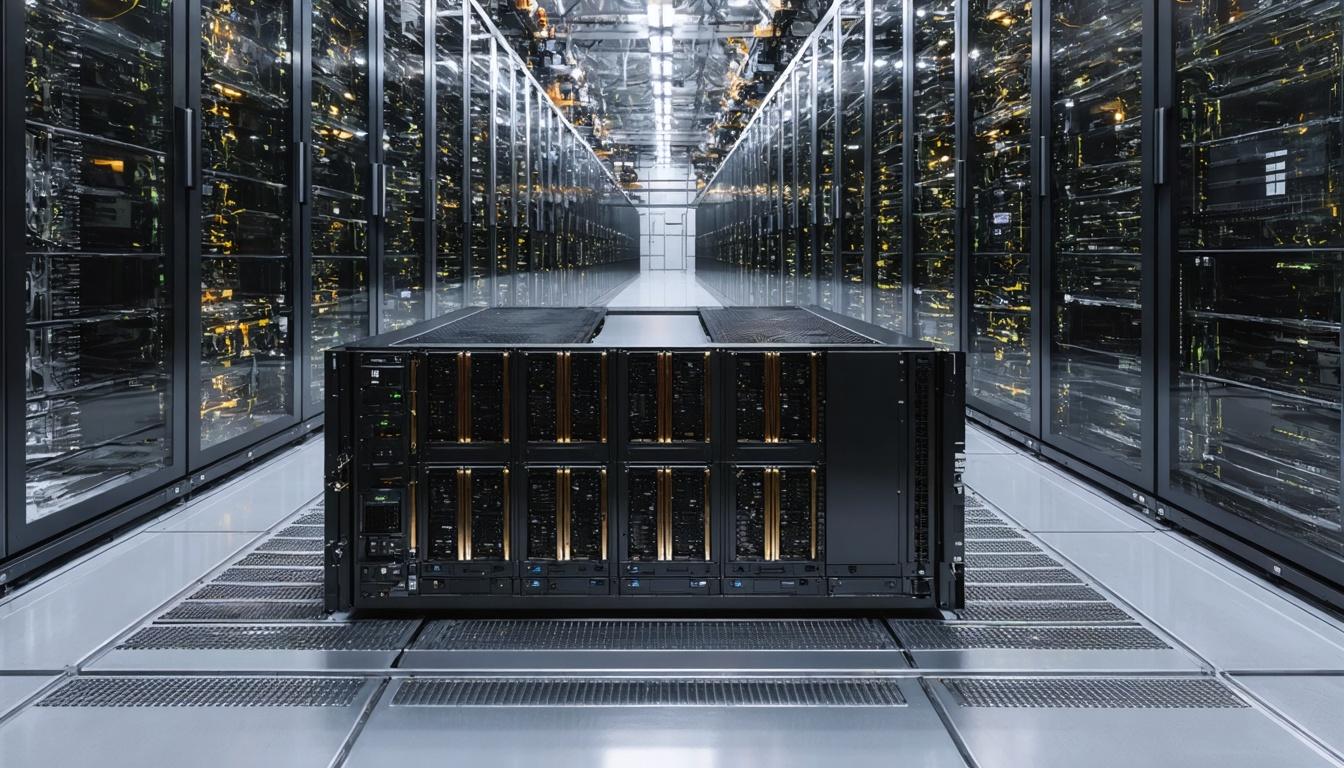
*this image is generated using AI for illustrative purposes only.
Nvidia and SpaceX are restructuring the landscape of artificial intelligence infrastructure through a combination of strategic equity stakes, exclusive supply chain commitments, and a massive new financing mechanism. The developments highlight a shift toward third-party capital mobilization for hyperscale AI buildouts, with Nvidia leveraging its balance sheet to support partners like SpaceX.
Nvidia, SpaceX forge $500 billion financing bridge
The sequence of events began on August 4, when Elon Musk committed SpaceX exclusively to Nvidia GPUs during the company's first earnings call as a public entity. Musk set a target of roughly 10 gigawatts of AI compute capacity by the end of 2027, a significant increase from approximately 1.4 gigawatts currently in place. Wall Street initially reacted negatively, with SpaceX shares falling as investors focused on the scale of the required capital spending. However, shares reversed into a sharp rally by August 7, recovering above the $135 IPO price.
Research from SemiAnalysis was widely credited as the catalyst for this reversal. The firm estimated that SpaceX could exit 2027 with an annualized revenue run rate near $305 billion if it achieves its 10 gigawatt target. This estimate sits far above most Wall Street models for SpaceX's 2027 and 2028 revenue projections.
On August 10, Nvidia announced the Compute Infrastructure Financing Platform alongside six major institutions: Apollo, BlackRock, Blackstone, Brookfield, Goldman Sachs, and KKR. The initiative aims to mobilize more than $500 billion in third-party capital for AI infrastructure, with Nvidia agreeing to backstop a portion of the cost.
Exclusive GPU deal drives capex surge
Nvidia's data center revenue reached $75 billion in the last quarter, up 92% year over year. This growth cements its position as the dominant supplier of GPUs and a leading provider of networking and software infrastructure for frontier AI models.
SpaceX has emerged as a major hyperscale AI buyer. Its AI segment, which includes Grok, Colossus II, and cloud services, delivered $2.56 billion in second-quarter revenue, up 247% year over year. This growth came with substantial capital expenditure. SpaceX directed $15.83 billion of an $18.37 billion single-quarter capital expenditure bill toward AI infrastructure alone. Deutsche Bank expects more than $100 billion in new debt or other financing instruments for SpaceX in 2027.
| Metric | Value | Context |
|---|---|---|
| Data Center Revenue (Nvidia) | $75 billion | Up 92% YoY |
| AI Segment Revenue (SpaceX) | $2.56 billion | Up 247% YoY (Q2) |
| AI Capex (SpaceX) | $15.83 billion | Part of $18.37 billion total Q2 capex |
| Compute Target (SpaceX) | 10 gigawatts | Targeted by end of 2027 |
The exclusivity pledge ties these developments together. By committing all future AI infrastructure to Nvidia's Vera Rubin architecture, SpaceX locked itself into Nvidia's supply chain just as Nvidia rolled out a financing mechanism designed to fund such buildouts.
Nvidia's $21 billion stake completes the loop
On August 14, Nvidia disclosed its second-quarter 13F filing with the Securities and Exchange Commission. The filing revealed that Nvidia owned roughly 122.8 million Class A shares of SpaceX, a position worth about $21 billion at SpaceX's June 30 closing price. This stake did not come from open-market purchases but traces back to Nvidia's earlier investment in xAI, which SpaceX later absorbed in an all-stock transaction. Advanced Micro Devices also revealed a SpaceX position in the same round of filings, despite confirming SpaceX had chosen Nvidia's chips exclusively.
This arrangement allows Nvidia to diversify its customer base beyond Amazon, Alphabet, Microsoft, and Meta Platforms, which currently account for the bulk of its disclosed revenue concentration. Nvidia is using its balance sheet to help create the next generation of hyperscalers.
What the Numbers Show
The divergence between Jensen Huang's long-term projections and current market models highlights the strategic importance of the Nvidia-SpaceX partnership. Huang expects AI infrastructure spending to reach $3 trillion to $4 trillion annually by the end of the decade, while current estimates for 2026 sit closer to $800 billion. If SpaceX reaches its 10 gigawatt target near SemiAnalysis's estimates, it serves as a template for Nvidia's financing platform, potentially validating Huang's vision against Wall Street's more conservative forecasts.
For now, the partnership remains a bet on execution. Whether SpaceX actually reaches 10 gigawatts by the end of 2027 will indicate whether Huang's trillion-dollar vision for AI infrastructure spending is realistic. Investors will monitor quarterly updates closely for signs of progress.

How might the success of Nvidia's Compute Infrastructure Financing Platform influence the capital allocation strategies of other major cloud providers like Amazon, Microsoft, and Google?
What are the potential risks for SpaceX if it fails to meet its 10 gigawatt compute target by 2027, given the projected $100 billion in new debt financing?
Could Nvidia's exclusive supply chain commitment with SpaceX create antitrust scrutiny or regulatory hurdles regarding market dominance in AI infrastructure?
 19
19





 Create Custom Screeners
  Access 200+ Pre-built Filters
  Use 50+ Readymade Screener





