

Musk questions timeline for $105 billion Nvidia-backed Ohio data center


Elon Musk publicly questioned the feasibility of the timeline for a $105 billion Nvidia-backed data center in Ohio designed for OpenAI. While Nvidia has capped its obligations at $105 billion with initial commitments starting in 2028, Musk warned the project will take longer to come online than anticipated. This skepticism contrasts with Nvidia's strong financial performance, including $75 billion in recent data center revenue and new partnerships to secure over $500 billion in AI infrastructure financing.


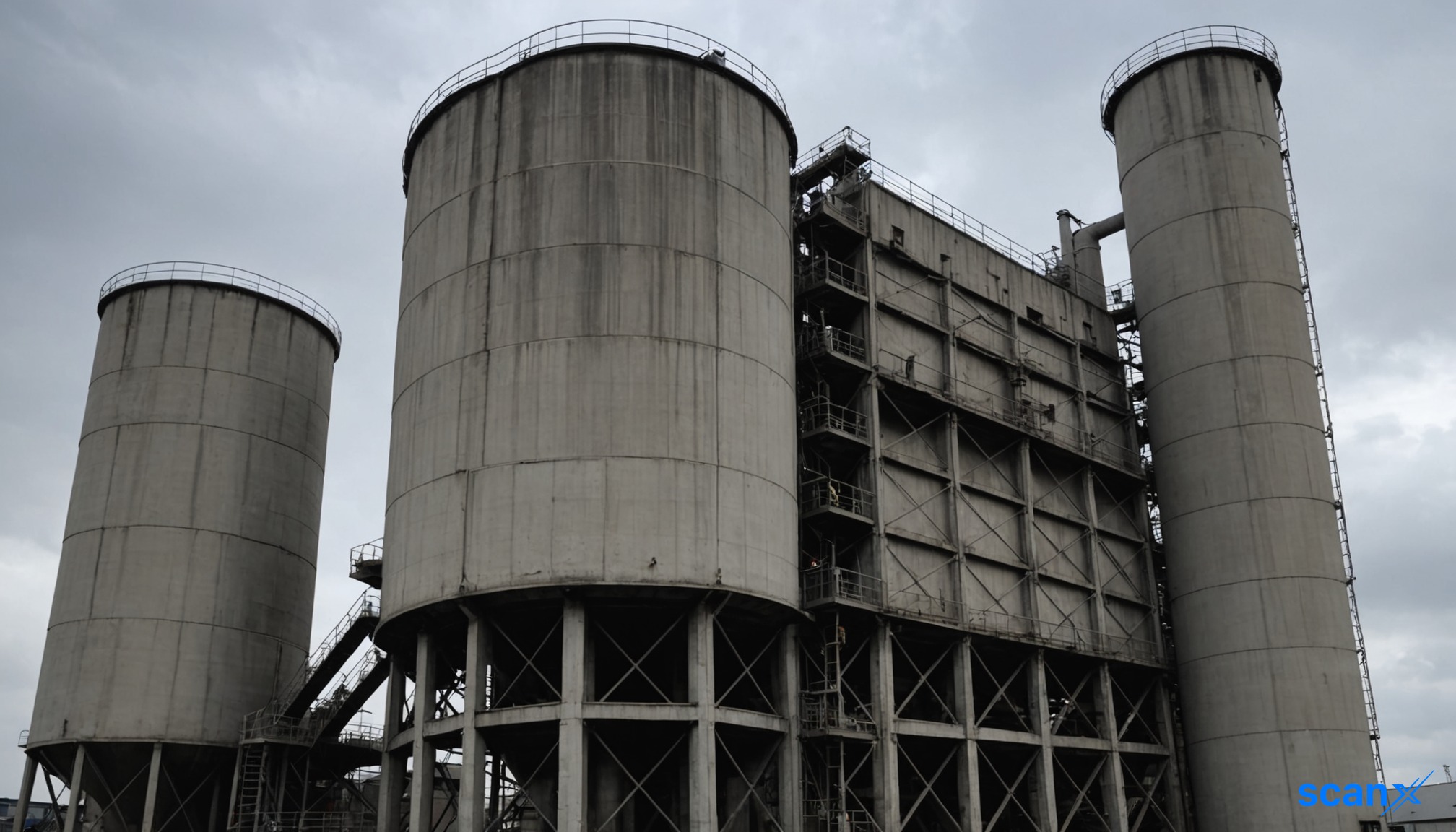
*this image is generated using AI for illustrative purposes only.
Elon Musk raised doubts about the construction timeline for a major Ohio data center project backed by Nvidia Corp (NASDAQ: NVDA) and intended to support OpenAI’s growing artificial intelligence infrastructure needs. Musk posted on X that the facility will take "much longer to bring online than they think," casting skepticism on the aggressive rollout plans tied to a massive financial commitment from the chipmaker.
Nvidia Caps Ohio Data Center Commitment at $105 Billion
According to documents filed with the Securities and Exchange Commission, Nvidia’s aggregate payment obligations under the initial commitment are capped at $105 billion. These payments are subject to specific conditions, including the data center meeting applicable ready-for-service requirements. The first commitments are expected to begin in 2028.
The sprawling data center is being developed by SB Energy, an entity owned by SoftBank Group (OTC: SFTBF) (OTC: SFTBY). OpenAI has agreed to lease the site for 20 years, while Nvidia will serve as its exclusive chip provider. In addition to the lease guarantee, Nvidia plans to invest $1.5 billion in SB Energy. This follows a $1 billion investment from OpenAI and SoftBank earlier this year.
| Project Metric | Detail |
|---|---|
| Total Payment Cap | $105 billion |
| Nvidia Investment | $1.5 billion |
| Prior Investment (OpenAI/SoftBank) | $1 billion |
| Initial Target Capacity | 800 megawatts |
| Expected Start of Commitments | 2028 |
| Lease Duration | 20 years |
The Ohio campus is expected to eventually support as much as 8 gigawatts of power capacity. The initial phase targets 800 megawatts coming online in 2028.
Why Musk’s Warning Matters
Musk’s skepticism arrives as his own companies accelerate the build-out of massive AI computing infrastructure. Earlier this month, Musk stated that Space Exploration Technologies Corp (NASDAQ: SPCX) would exclusively use Nvidia GPUs. SpaceX is targeting roughly 10 gigawatts of AI compute capacity by the end of 2027, a significant increase from its current capacity of about 1.4 gigawatts.
Nvidia’s AI Infrastructure Push
The Ohio project underscores Nvidia’s increasingly central role in the AI infrastructure boom. The company’s data center revenue reached $75 billion last quarter, marking a 92% year-over-year increase. Last week, Nvidia announced a partnership with six major Wall Street asset managers to unlock more than $500 billion in financing for AI infrastructure.
Nvidia closed Tuesday at $219.74, down 2.34%. The shares slipped another 0.21% to $219.28 in after-hours trading, according to Benzinga Pro. According to Benzinga Edge Rankings, Nvidia ranks in the 99th percentile for growth and maintains positive short-, medium- and long-term price trend ratings.

How might Musk's public skepticism regarding the Ohio data center timeline impact investor confidence in Nvidia's ability to execute its $105 billion commitment by 2028?
Could delays in the SoftBank-backed Ohio project force OpenAI to accelerate partnerships with alternative chip providers or cloud infrastructure providers?
With SpaceX targeting 10 gigawatts of AI compute by 2027 while using Nvidia GPUs exclusively, will this create a supply bottleneck that exacerbates construction timelines for other major projects?
 18
18






 Access Market Heat-map & Insights
  Create, Save & Share your Screener
  Use 200+ Screening Filters





