

BlackSky fifth Gen-3 satellite delivers 35cm imagery for defense


- Fifth Gen-3 satellite achieves first light in under 20 hours
- Delivers 35-centimeter resolution imagery to defense clients
- Unit cost is one-fifth that of legacy platforms
- Capacity expansion addresses scarce high-resolution imaging needs
- Additional Gen-3 satellites planned for orbit by end of 2026

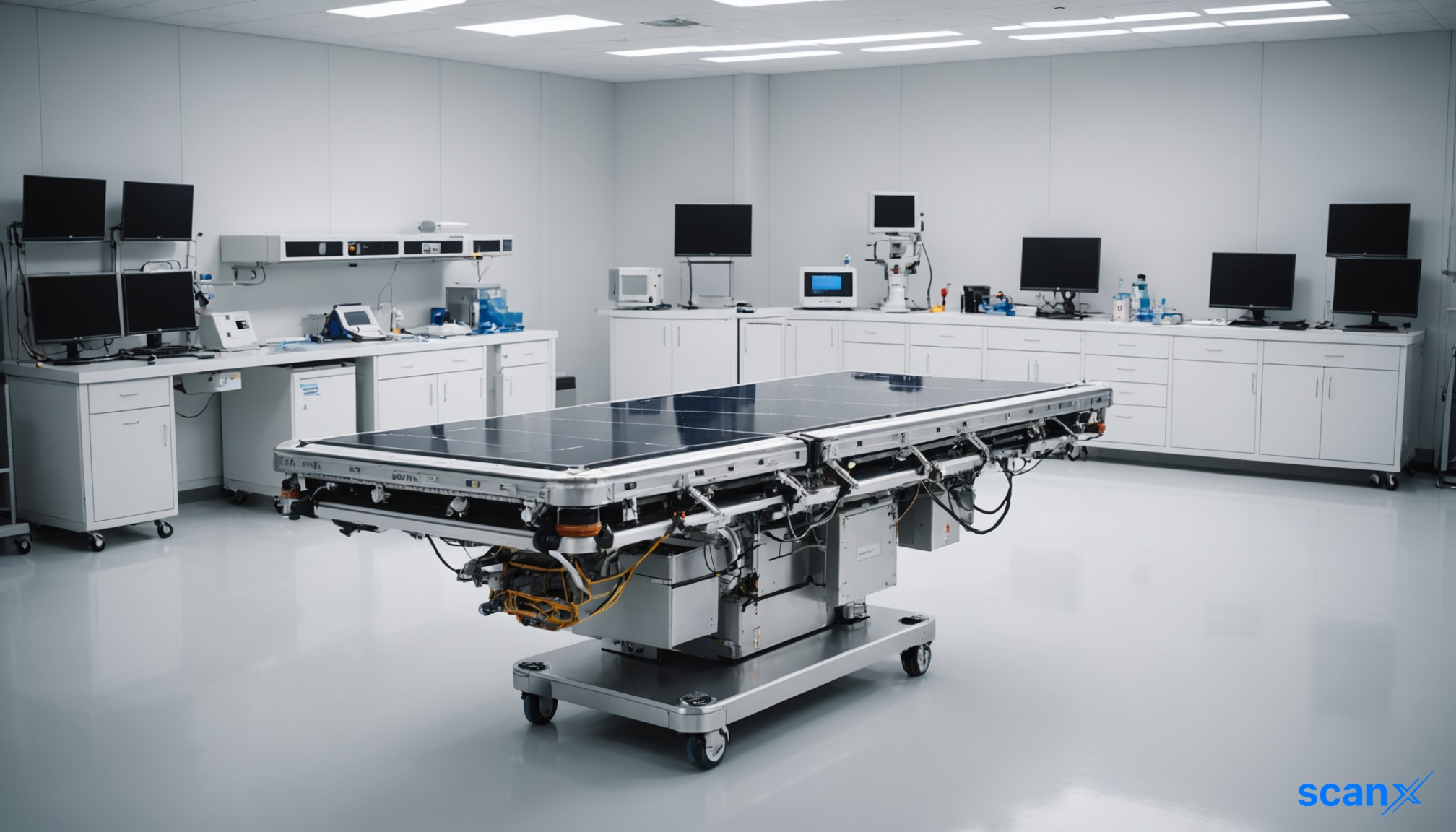

*this image is generated using AI for illustrative purposes only.
BlackSky Technology Inc. (NYSE: BKSY) confirmed its fifth Gen-3 satellite is delivering 35-centimeter resolution imagery to defense and intelligence customers. The satellite achieved first light in less than 20 hours after liftoff, significantly outpacing industry standards for launch-to-launch data delivery timelines.
The swift operational readiness provides immediate access to mission-ready, very high-resolution imagery. This capability addresses the growing demand for real-time situational awareness in fast-moving operational environments.
Operational Efficiency and Cost Structure
The company maintains a consistent pattern of rapid data delivery with each new Gen-3 satellite. This efficiency closes the gap between launch and initial operations, adding vital new supply of 35-centimeter resolution imagery.
CEO Brian O’Toole highlighted the economic advantage of the new platform. Each Gen-3 satellite costs about one-fifth that of legacy platforms while exponentially increasing available capacity. The increased capacity translates into more time-diverse imagery and analytics data for defense and intelligence agencies.
| Metric | Detail |
|---|---|
| First Light Time | Less than 20 hours |
| Image Resolution | 35-centimeter |
| Cost vs Legacy | One-fifth |
| Satellite Generation | Gen-3 (Fifth unit) |
Strategic Capacity Expansion
Scarce high-resolution imaging capacity often forces customers to prioritize missions. BlackSky’s rapid deployment alleviates this constraint by providing quick access to new capacity. This leads to faster, better-informed decisions when moments matter.
The Gen-3 constellation delivers sharp visual clarity through best-in-class resolution. Combined with AI-enabled analytics, the system automatically detects an expanding array of vehicles, aircraft, and vessels. This allows decision-makers to evaluate tactical conditions and minimize operational ambiguity.
What the Numbers Show
The divergence between cost and output is a key operational signal. By reducing unit costs to one-fifth of legacy platforms while exponentially increasing capacity, BlackSky is decoupling scale from capital intensity. This structural shift suggests that future revenue growth can be supported by margin expansion rather than proportional increases in hardware expenditure.
Future Deployment Plans
BlackSky plans to place additional Gen-3 satellites on orbit by the end of 2026. The company continues to incorporate these new units into its dual constellation framework. Meanwhile, the existing Gen-2 fleet remains foundational for real-time monitoring of events on Earth and objects in orbit.
The vertically integrated manufacturing and AI-driven software architecture supports secure, flexible data access. Services are available via On-Demand and Assured subscription models or full sovereign systems.

How will the significant cost reduction of Gen-3 satellites impact BlackSky's gross margins as the constellation scales toward its 2026 deployment target?
What specific competitive advantages does BlackSky's 20-hour first-light timeline provide over traditional satellite operators in securing long-term defense contracts?
Could the decoupling of scale from capital intensity allow BlackSky to expand into commercial markets beyond defense and intelligence, and if so, which sectors are most likely to adopt this technology?
 16









 Create Custom Screeners
 Access 200+ Pre-built Filters
 Use 50+ Readymade Screener





