

Swiggy expands Noice beyond staples, testing limits of private labels in quick commerce


Swiggy has rapidly expanded its Noice private label from 200 to 350 SKUs and doubled manufacturing partners to 70 since August, moving beyond traditional staples into beverages, ready-to-cook items, and fresh products. The company hired senior talent from Flipkart and OYO to lead the initiative, seeking to capture higher margins of 35-40% compared to 10-15% from third-party brands. However, the strategy carries risks of friction with brand partners and consumer pushback, as rival platforms report higher drop-offs when prioritizing private labels over established brands.

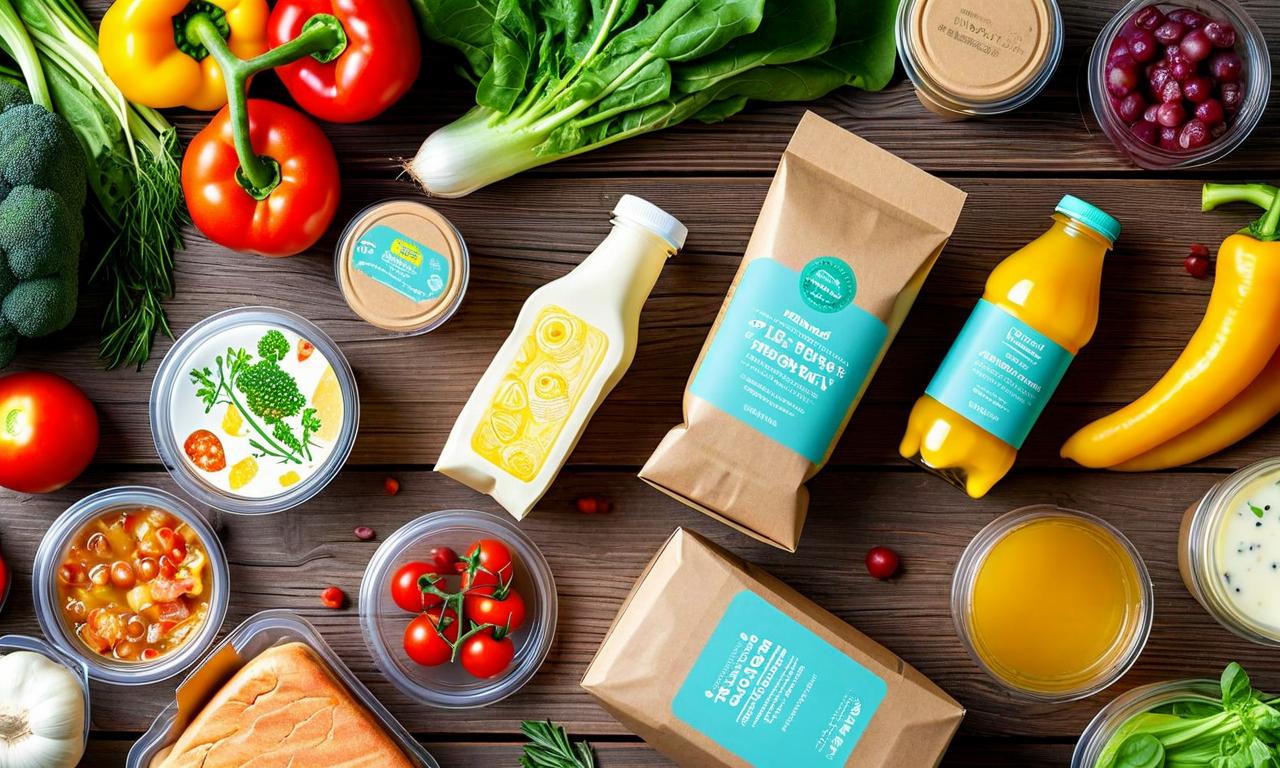

*this image is generated using AI for illustrative purposes only.
Swiggy is aggressively expanding its private label brand Noice beyond traditional staples, testing the boundaries of private label strategies in India's competitive quick commerce market. The expansion represents a significant shift from the typical approach of limiting private labels to everyday grocery categories.
Rapid Scale-Up of Noice Brand
The push has dramatically expanded Noice's range and supplier base since August. According to company operations sources, the private label has grown substantially across multiple metrics:
| Parameter: | August to Present | Growth |
|---|---|---|
| Stock-Keeping Units (SKUs): | 200 to 350 | +75% |
| Contract Manufacturers: | 40 to 70 | +75% |
What began as a small-batch, premium range centered on Indian snacks, sweets, cookies and baked items sourced from small kitchens has widened sharply in recent months. Recent additions include:
- Beverages
- Ready-to-cook items
- Dairy products
- Fresh items like eggs, dosa batter and paneer
Strategic Talent Acquisition
Swiggy has been adding senior talent to support the Noice expansion. The company hired Royan Mody, the former director for private labels at Flipkart, to lead Noice at Swiggy Instamart. Additionally, Mayur Hola, who previously led global brand roles at OYO, joined as vice-president, brand, with a mandate spanning Swiggy's businesses including Instamart.
Financial Performance and Margin Dynamics
Quick-commerce platforms continue struggling with profitability despite category scaling. Swiggy's Instamart financial performance shows mixed results:
| Metric: | July-September Quarter | Year Earlier | Change |
|---|---|---|---|
| Adjusted Revenue: | ₹1,038.00 crore | ₹513.00 crore | +102% |
| Adjusted EBITDA Loss: | ₹849.00 crore | ₹359.00 crore | Widened |
Competitor performance varies significantly. At Zomato-owned Blinkit, adjusted EBITDA loss narrowed sequentially to ₹156.00 crore in Q2 FY26 from ₹162.00 crore in the previous quarter. Meanwhile, Zepto doubled sales in FY25 to ₹9,668.80 crore, but net loss widened by 177% to ₹3,367.30 crore.
Private labels offer compelling margin advantages. Industry estimates suggest quick commerce firms earn 10-15% net margins with third-party brands, while private labels can deliver 35-40% gross margins even after sharing portions with manufacturers.
Market Position and Competitive Risks
Industry estimates indicate private labels now account for roughly 20-25% of sales in staples such as grains and rice across quick-commerce platforms including Zepto, BigBasket, Blinkit, and Swiggy. However, Swiggy's approach of pushing Noice beyond typical staples carries execution and competitive risks.
The strategy raises concerns about friction with brand partners if platform-owned labels receive disproportionate visibility. For new brands, quick commerce typically contributes about 2-3% of sales, while for brands with ₹10,000.00 crore annual sales, this represents ₹200.00-300.00 crore worth of sales.
Consumer response data suggests challenges with private label prioritization. A rival platform's product manager reported higher checkout drop-offs when attempting to promote private labels in staples through search rankings, particularly when users specifically sought known brands like Aashirvaad and Parry's Sugar.
Strategic Implications
Analysts compare Noice's approach to Amazon's Solimo-style playbook, where product selection is guided by internal platform data on sales patterns. The model allows platforms to enter categories after sellers have built demand and consumer awareness, but creates competitive tensions.
While the model may not be profitable yet, it is scaling faster than many e-commerce private-label programs. The expansion reflects how quick commerce platforms are leveraging private labels and advertising income from brand partners to improve margins, with Swiggy appearing to lean harder on the private-label strategy to differentiate Instamart and lift unit economics.
Historical Stock Returns for Swiggy
| 1 Day | 5 Days | 1 Month | 6 Months | 1 Year | 5 Years |
|---|---|---|---|---|---|
| -2.26% | -2.22% | -15.34% | -18.33% | -48.93% | -49.78% |








 Create Custom Screeners
  Access 200+ Pre-built Filters
  Use 50+ Readymade Screener





