Supreme Court Proposes Phased Ban on Luxury Fuel Cars to Boost EV Adoption

1 min read     Updated on 16 Nov 2025, 01:42 PM
scanx
Reviewed by
Suketu GScanX News Team
Overview

The Supreme Court has suggested that the Indian government consider implementing a phased ban on high-end petrol and diesel cars to promote electric vehicle adoption. The proposal includes starting with premium vehicles used by VIPs and large companies, initiating pilot projects in major cities, and reviewing existing EV policies. The government has been asked to submit a consolidated status report on progress across 13 ministries within four weeks. This move could significantly impact luxury car manufacturers, EV producers, corporate fleets, and urban consumers, while raising questions about India's EV infrastructure readiness and the economic impact on the traditional automotive industry.
24826338

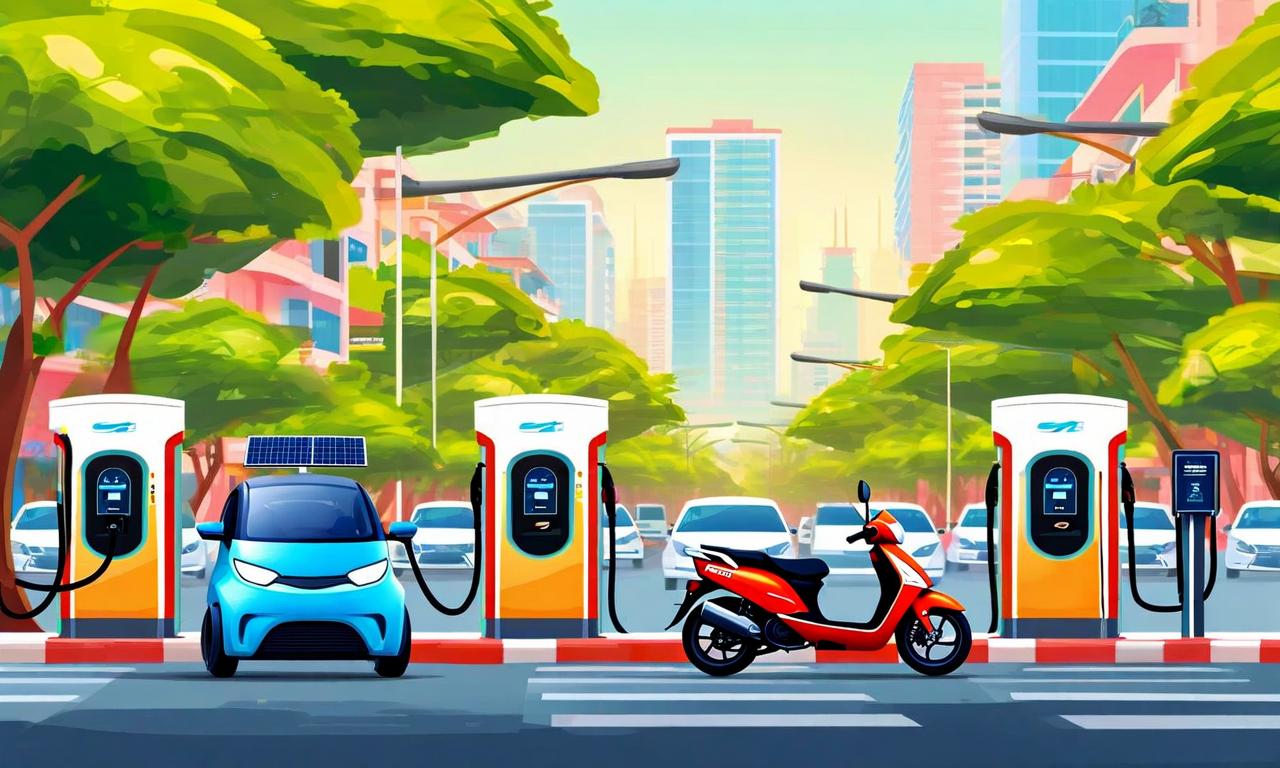
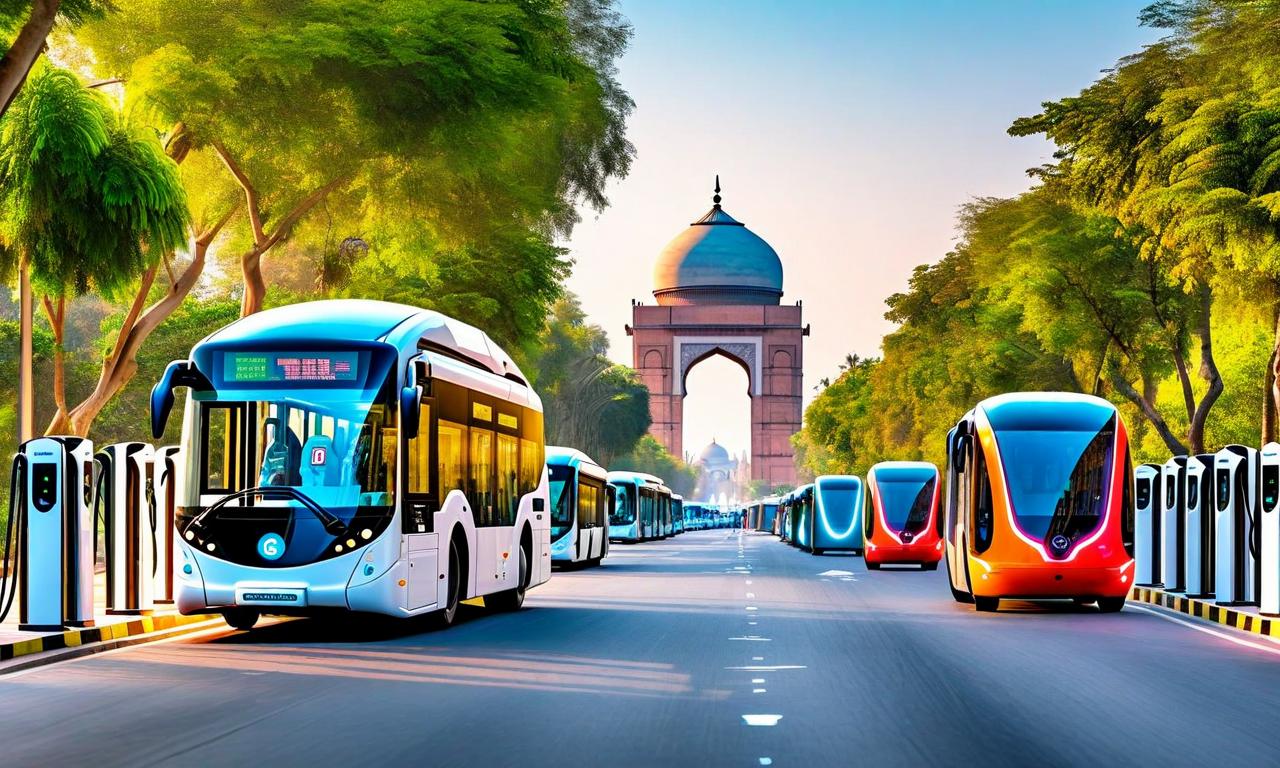
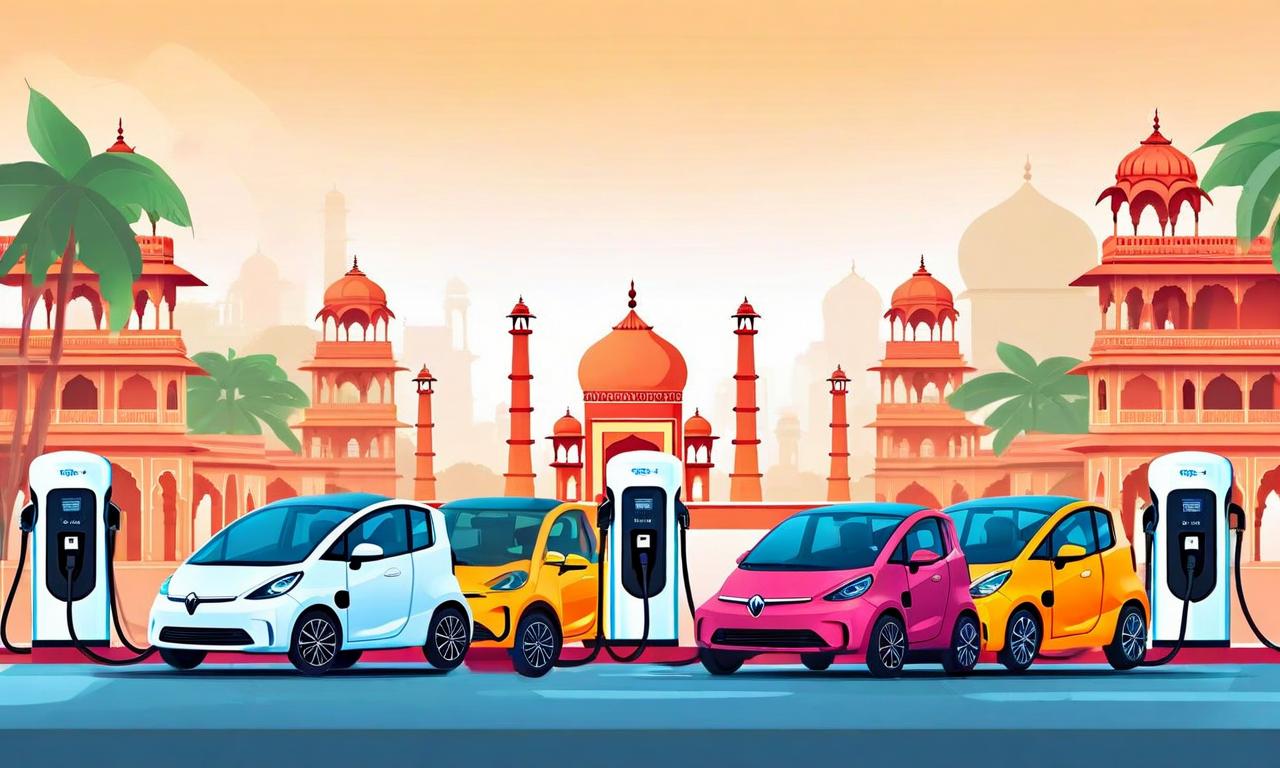
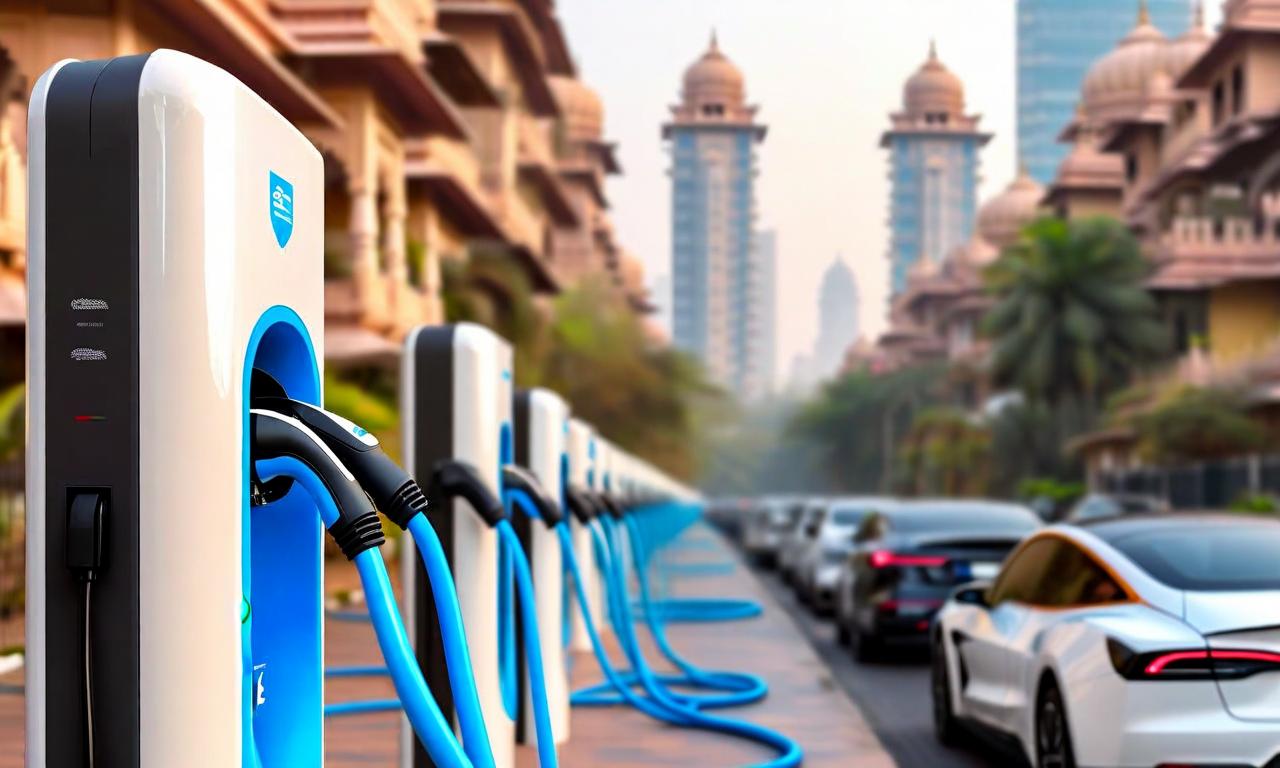
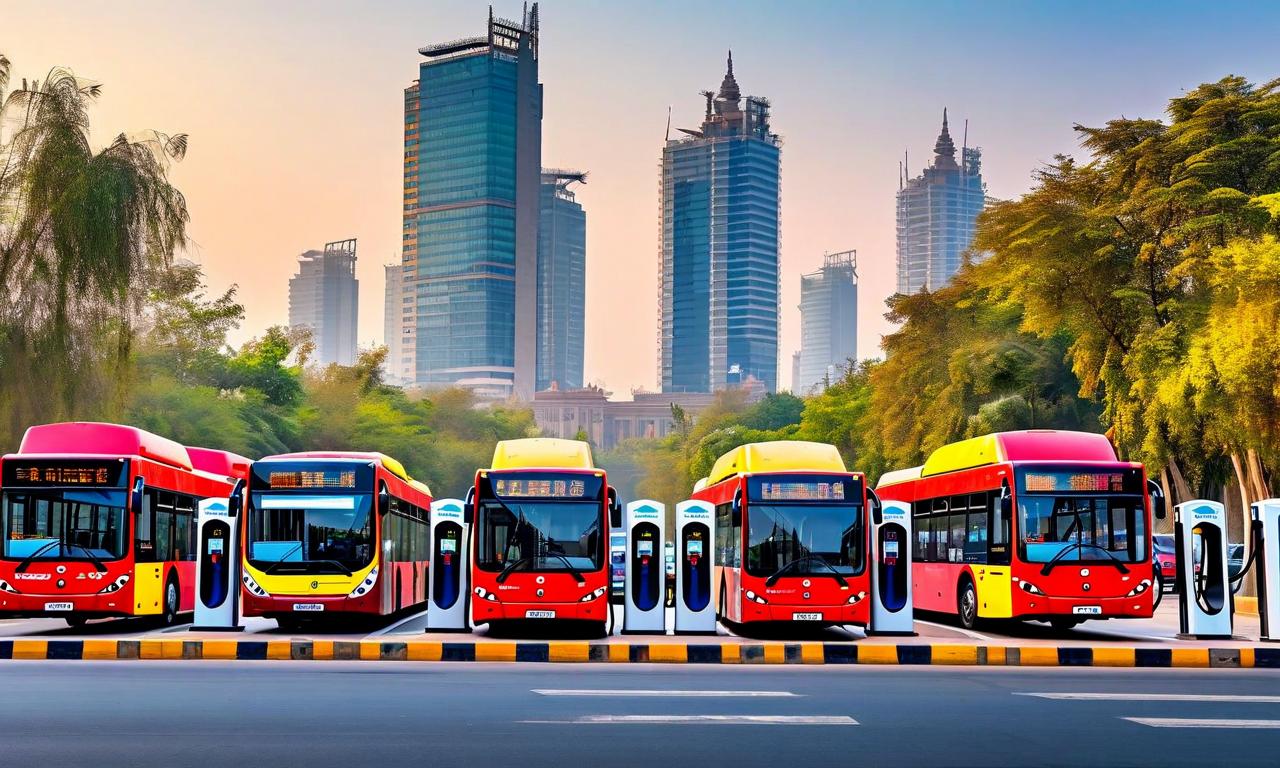
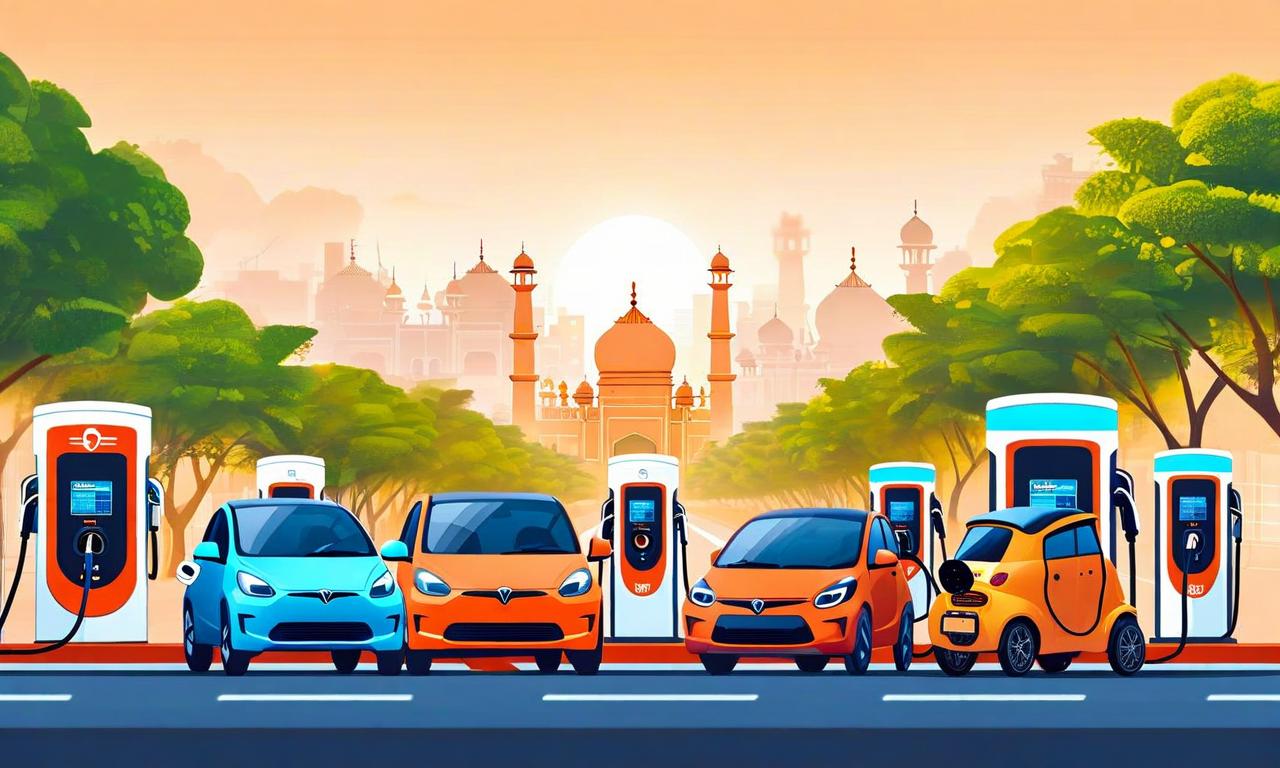
*this image is generated using AI for illustrative purposes only.

In a significant move aimed at accelerating the adoption of electric vehicles (EVs) in India, the Supreme Court has suggested that the Union government consider implementing a phased ban on high-end petrol and diesel cars. This proposal, if enacted, could reshape the landscape of India's automotive industry and environmental policies.

Key Points of the Supreme Court's Suggestion

The Supreme Court's proposal includes several noteworthy elements:

  1. Phased Implementation: The court suggested starting the ban with premium vehicles used by VIPs and large companies.
  2. Pilot Projects: The bench proposed initiating pilot projects in major metropolitan cities.
  3. Policy Review: A call for a comprehensive review of existing EV policies was made.
  4. Government Action: The Union government has been asked to submit a consolidated status report on progress across 13 ministries within four weeks.

Potential Impact on the Automotive Sector

If implemented, this proposal could have far-reaching effects on various stakeholders:

Stakeholder Potential Impact
Luxury Car Manufacturers May need to accelerate EV production and offerings
EV Manufacturers Could see increased demand and investment opportunities
Corporate Fleets Might need to plan for transition to electric vehicles
Urban Consumers May experience changes in vehicle availability and pricing

Environmental and Economic Implications

The Supreme Court's suggestion aligns with global trends towards sustainable transportation. However, it also raises questions about:

  • The readiness of India's EV infrastructure
  • The economic impact on the traditional automotive industry
  • The potential for job creation in the EV sector
  • The environmental benefits of accelerated EV adoption

Next Steps

As the government prepares its response, key areas to watch include:

  • The detailed plan for phased implementation
  • Specific timelines for potential bans
  • Incentives or support for the automotive industry to transition
  • Development of charging infrastructure in metropolitan areas

This proposal marks a potentially pivotal moment in India's journey towards sustainable transportation. As the situation develops, it will be crucial to balance environmental goals with economic considerations and practical implementation challenges.

like15
dislike

India's Electric Vehicle Sales Surge: Tata Motors Leads as Market Doubles

2 min read     Updated on 08 Oct 2025, 04:07 PM
scanx
Reviewed by
Shriram SScanX News Team
Overview

India's electric vehicle market is experiencing significant growth, with passenger EV sales more than doubling to 15,329 units in September compared to the previous year. Tata Motors leads the market with 6,216 units sold, followed by JSW MG Motor and Mahindra & Mahindra showing remarkable growth. Tesla entered the luxury EV segment with 64 units sold. The electric two-wheeler market also grew by 15%, reaching 104,220 units, led by TVS Motor, Bajaj Auto, and Ather Energy. This growth indicates increasing consumer acceptance, improving infrastructure, supportive government policies, and growing competition in the EV sector.

21465452

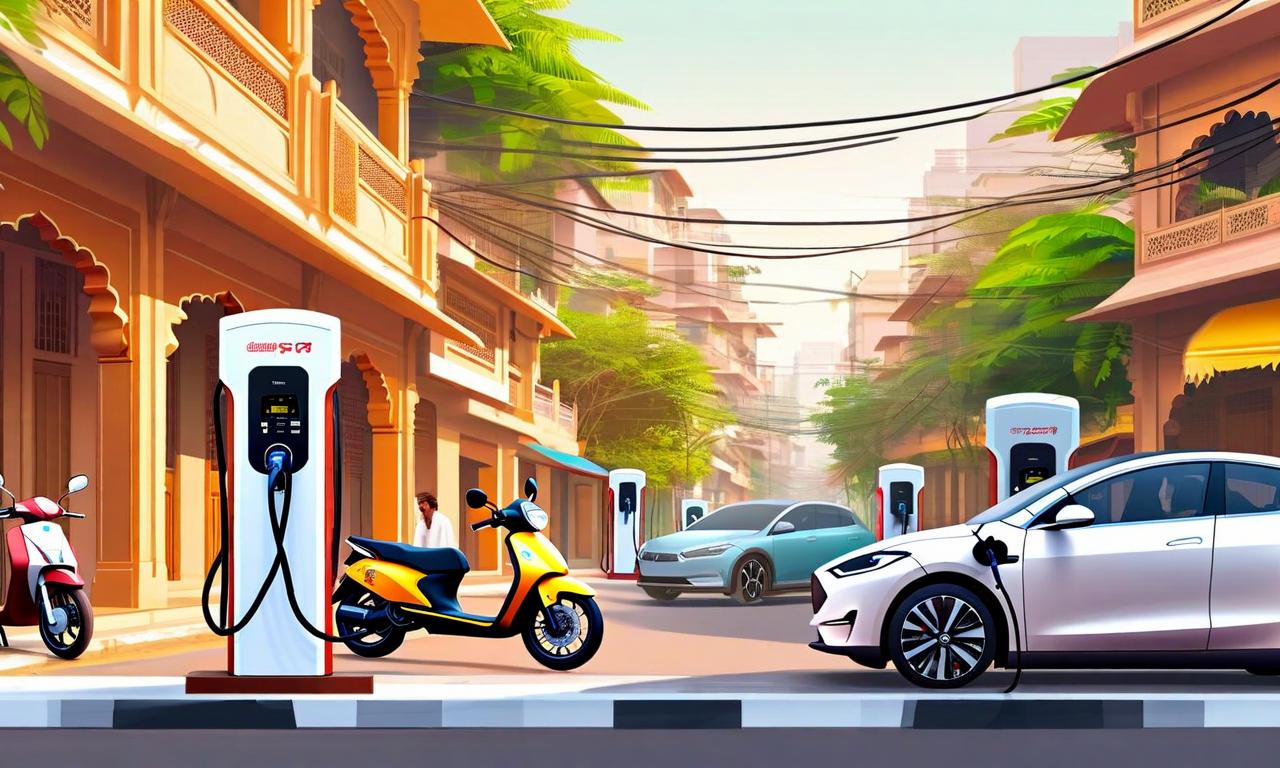
*this image is generated using AI for illustrative purposes only.

India's electric vehicle (EV) market is experiencing a remarkable surge, with passenger EV sales more than doubling in September compared to the previous year. This growth signals a significant shift in consumer preferences and highlights the increasing adoption of electric mobility in the country.

Passenger EV Sales Skyrocket

The electric passenger vehicle segment witnessed an impressive leap, with sales soaring to 15,329 units in September, marking a substantial increase from 6,191 units in the same month last year. This growth underscores the accelerating transition towards cleaner transportation options in India.

Key Players in the EV Race

Tata Motors continues to dominate the electric passenger vehicle market, showcasing its strong position in the sector. Here's a breakdown of the top performers:

Company September Sales (Units) Year-on-Year Growth
Tata Motors 6,216 62%
JSW MG Motor 3,912 283%
Mahindra & Mahindra 3,243 582%
BYD India 547 N/A
Kia India 506 N/A
Hyundai Motor India 349 N/A
BMW India 310 N/A
Mercedes-Benz India 97 N/A
Tesla India 64 N/A

Tata Motors' sales grew by 62% compared to the previous year, solidifying its market leadership. JSW MG Motor and Mahindra & Mahindra showed remarkable growth, with their sales increasing by 283% and 582% respectively.

New Entrants and Luxury Segment

The entry of Tesla India into the market with 64 units sold marks a significant development in the luxury EV segment. Other luxury brands like BMW India and Mercedes-Benz India are also making their presence felt, indicating a growing demand for premium electric vehicles.

Two-Wheeler Electric Segment

The electric two-wheeler market also showed positive growth:

  • Overall sales increased by 15% to 104,220 units from 90,549 units last year
  • TVS Motor led the segment with 22,509 units
  • Bajaj Auto followed closely with 19,580 units
  • Ather Energy secured the third position with 18,141 units

This growth in the two-wheeler segment further emphasizes the widespread adoption of electric vehicles across different categories.

Market Implications

The substantial growth in EV sales across both passenger and two-wheeler segments indicates:

  1. Increasing consumer acceptance of electric vehicles
  2. Improving charging infrastructure
  3. Government policies supporting EV adoption
  4. Growing competition among manufacturers, leading to more options for consumers

As the Indian automotive market continues to evolve, the electric vehicle sector is poised for further growth, with both domestic and international players vying for market share in this rapidly expanding segment.

like19
dislike
More News on
Explore Other Articles