

Indian Panel Proposes Higher Taxes on Premium Electric Vehicles


A government panel in India has recommended imposing higher taxes on electric vehicles priced above ₹38 lakh ($46,000). The proposal targets the luxury segment of the EV market, aiming to balance EV promotion with fiscal considerations. This move could impact pricing strategies of luxury EV manufacturers, influence consumer buying decisions, and create a clearer distinction between mass-market and premium EV segments. The recommendation comes as India promotes EV adoption to reduce air pollution and fossil fuel dependence, while also considering revenue generation and social equity.

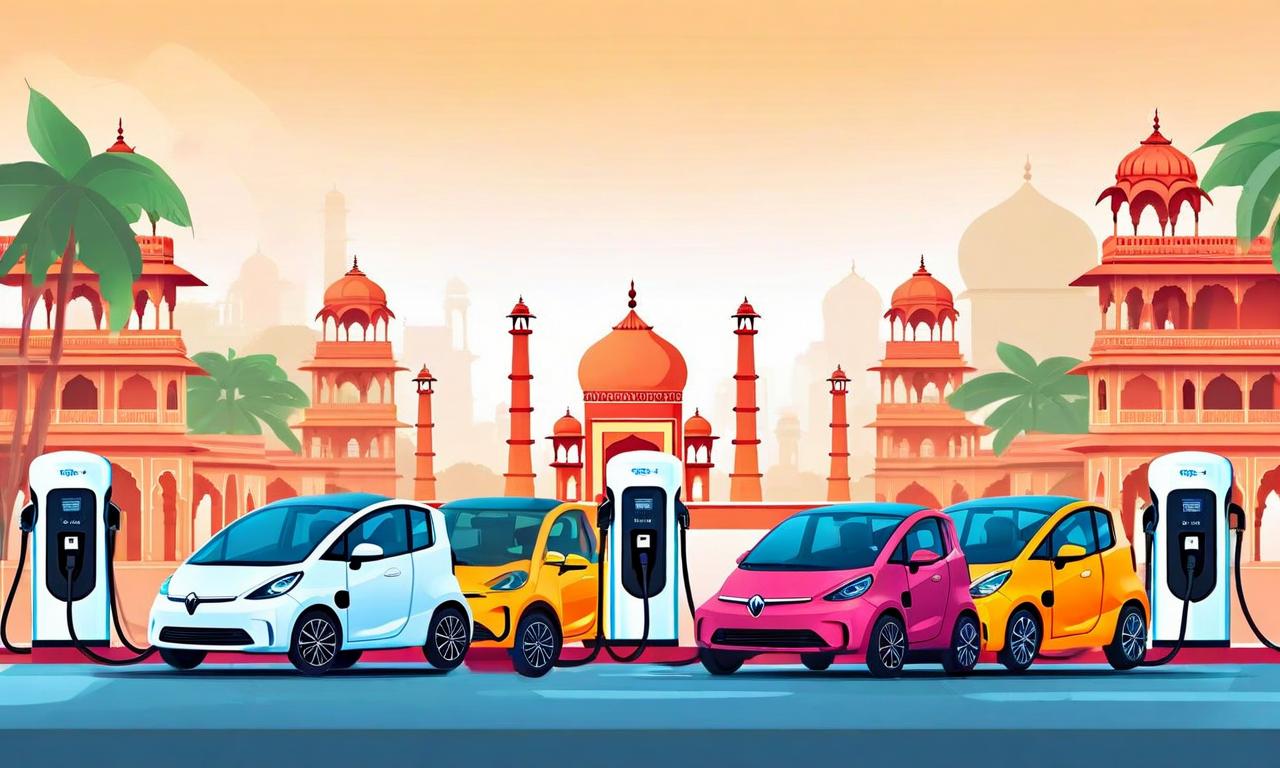

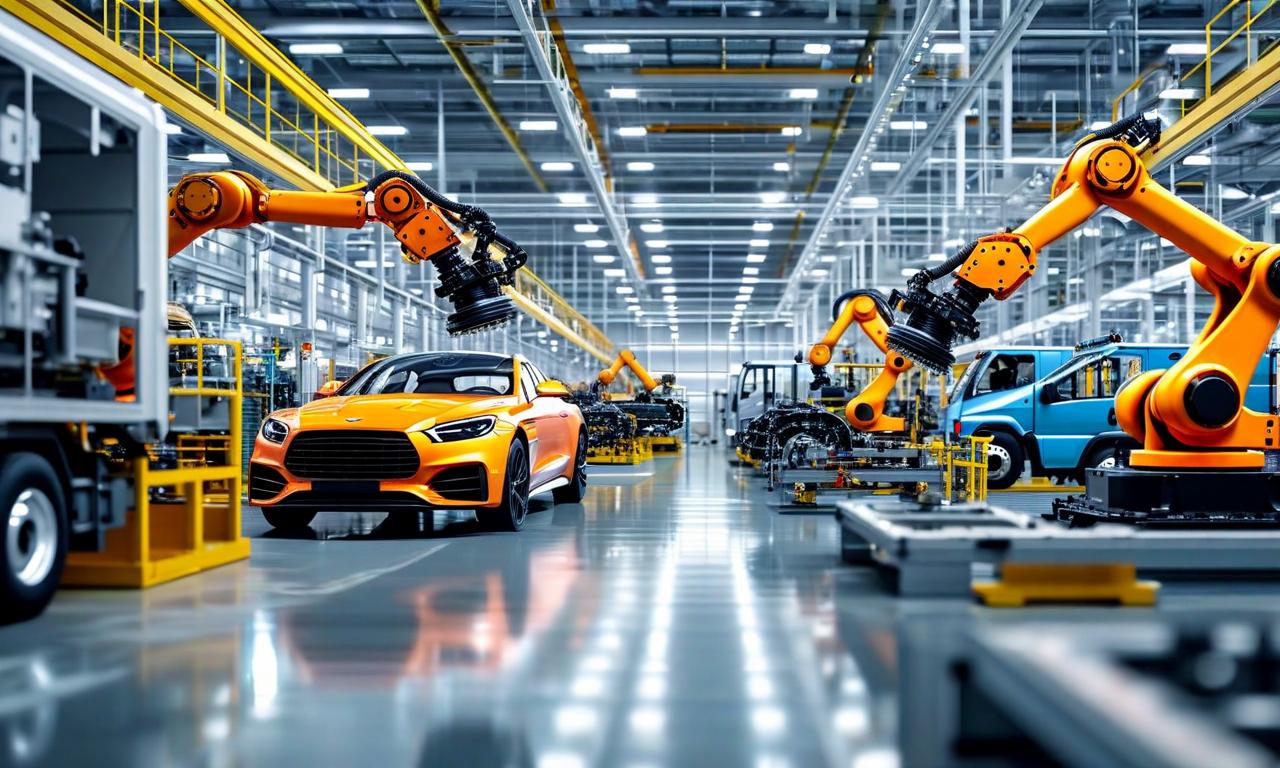
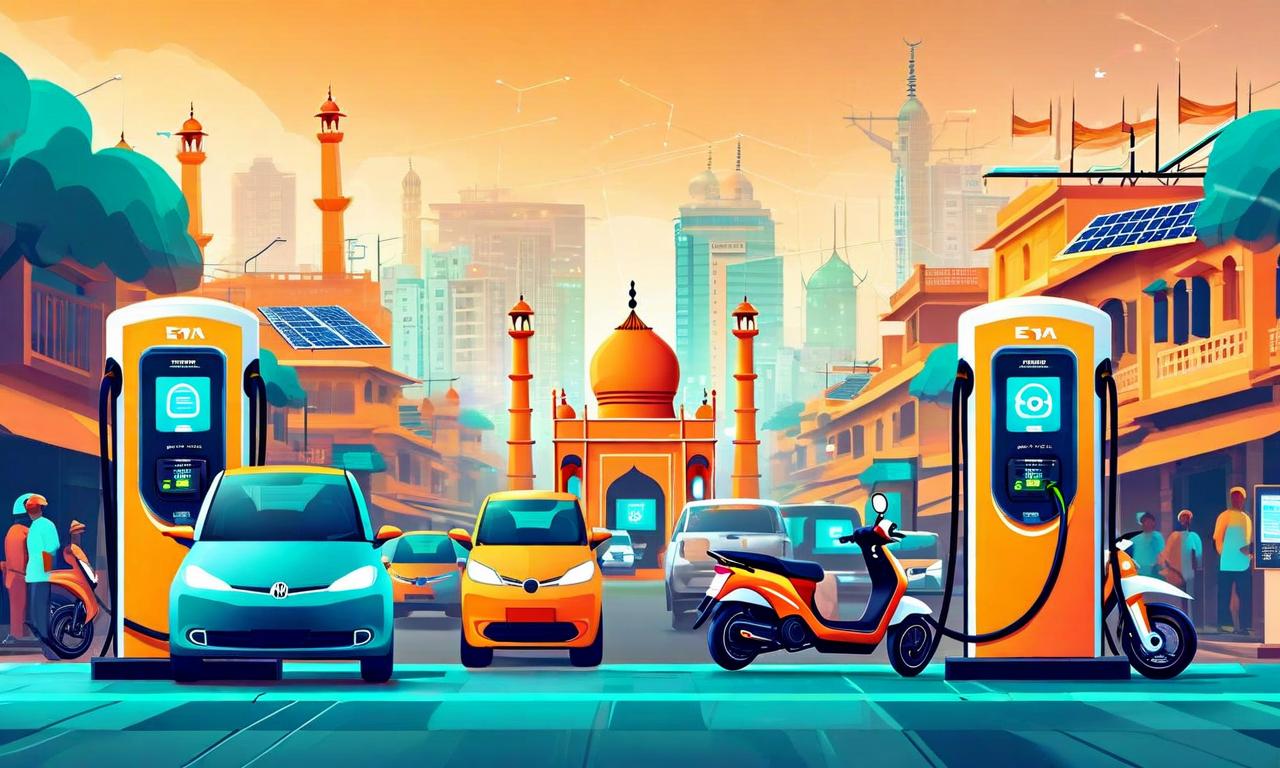
*this image is generated using AI for illustrative purposes only.
In a move that could reshape the electric vehicle (EV) market in India, a government panel has recommended imposing higher taxes on premium electric vehicles. The proposal targets EVs priced above ₹38 lakh (approximately $46,000), potentially affecting the luxury segment of the rapidly growing EV sector.
Targeting 'Upper Segment' Consumers
The panel justified its recommendation by stating that electric vehicles in this price range are primarily used by the 'upper segment' of society. This rationale suggests an attempt to balance the promotion of electric mobility with fiscal considerations, possibly aiming to generate additional revenue from luxury EV sales.
Potential Impact on EV Market
This proposed tax hike could have significant implications for the Indian EV market:
- Pricing Strategy: Luxury EV manufacturers might need to reassess their pricing strategies to remain competitive.
- Consumer Behavior: The higher taxes could influence buying decisions, potentially steering some consumers towards more affordable EV options.
- Market Segmentation: The move could create a more distinct separation between mass-market and premium EV segments.
Broader Context of India's EV Policy
The recommendation comes at a time when India is actively promoting electric vehicle adoption to reduce air pollution and decrease reliance on fossil fuels. However, this proposal indicates a nuanced approach to EV policy:
- Balancing Act: The government appears to be balancing the promotion of EV adoption with revenue generation and social equity considerations.
- Targeted Approach: By focusing on premium EVs, the policy aims to maintain incentives for mass-market electric vehicles while potentially increasing revenue from luxury segments.
Industry Response
While official responses from major EV manufacturers are yet to emerge, the industry is likely to closely monitor these developments. Luxury EV makers, in particular, may need to reassess their market strategies in India if this recommendation is implemented.
Conclusion
As the electric vehicle landscape in India continues to evolve, this proposed tax measure underscores the complex interplay between environmental goals, fiscal policies, and market dynamics. Stakeholders across the automotive sector will be keenly watching how this recommendation progresses and its potential impact on the future of electric mobility in India.
 16
16







 Access 50+ Readymade Screeners
  Use 200+ Custom Filters
  Get Full Market Insights





