Transport Ministry Proposes Mandatory Sound Alerts for Electric Vehicles

1 min read     Updated on 29 Sept 2025, 08:07 PM
scanx
Reviewed by
Naman SScanX News Team
Overview

The Transport Ministry has proposed making acoustic sound alerts mandatory for all electric vehicles, buses, and trucks to enhance road safety. This initiative aims to address safety concerns arising from the silent operation of electric vehicles, which can pose risks to pedestrians and other road users. The regulation would require these vehicles to emit audible warnings, alerting vulnerable road users to their presence. If implemented, this proposal could have significant implications for the EV industry, potentially affecting manufacturing processes and costs.

20702266

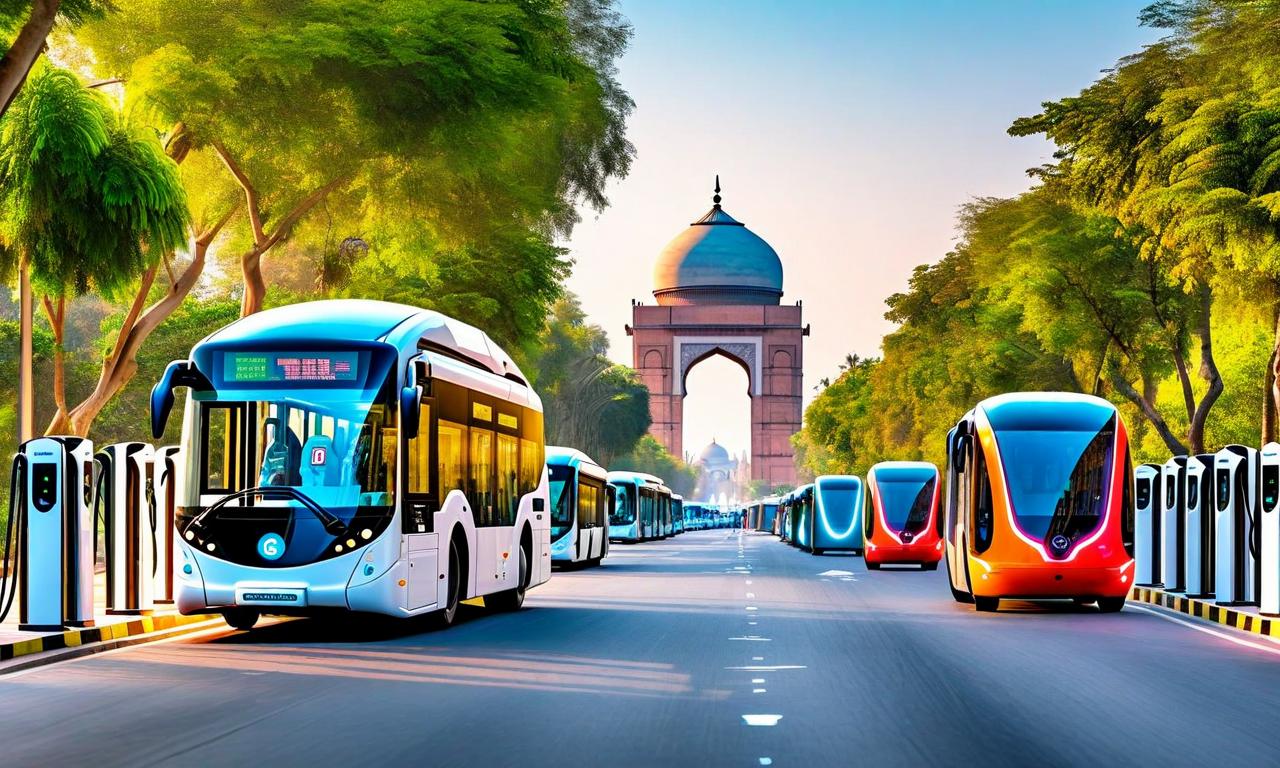
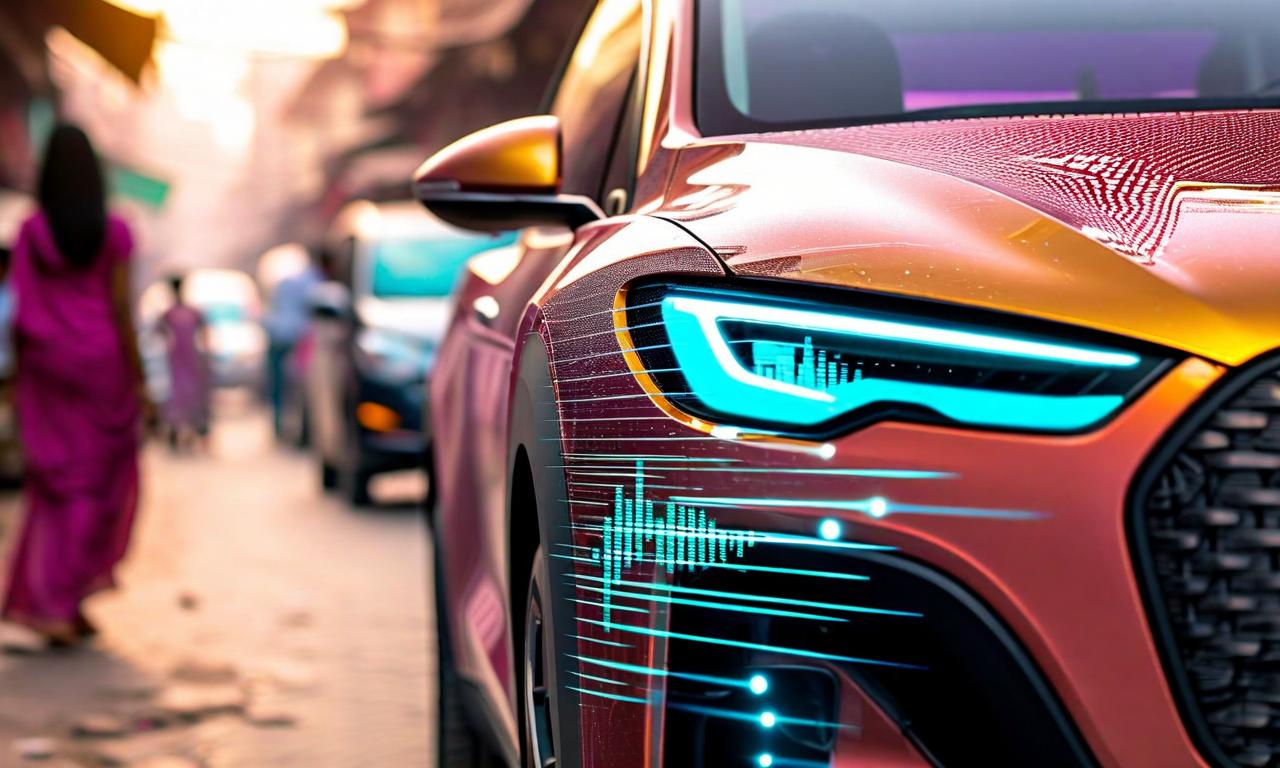
*this image is generated using AI for illustrative purposes only.

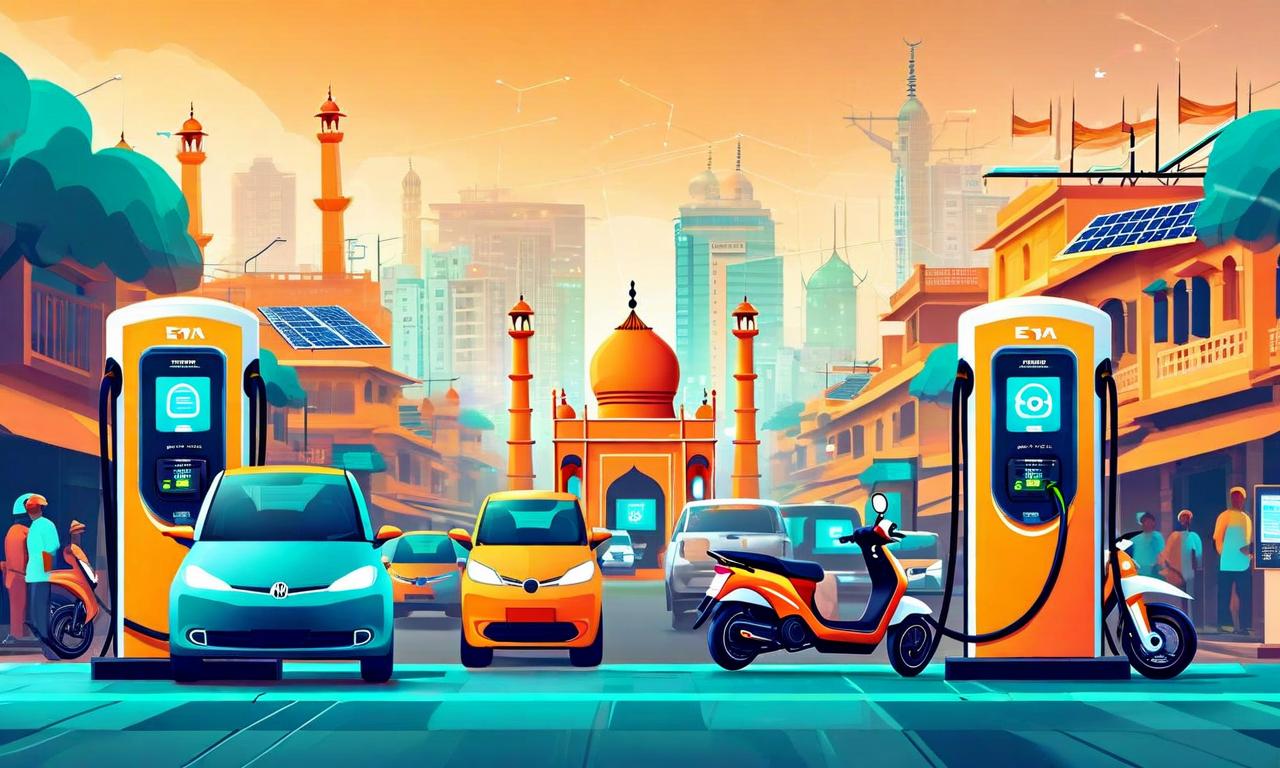
In a move aimed at enhancing road safety, the Transport Ministry has put forward a proposal to make acoustic sound alerts mandatory for all electric vehicles, buses, and trucks. This initiative seeks to address the unique challenges posed by the silent operation of electric vehicles, which can potentially endanger pedestrians and other road users.

Safety Through Sound

The proposed regulation would require electric vehicles, as well as buses and trucks, to emit audible warnings. This measure is designed to alert pedestrians, cyclists, and other vulnerable road users to the presence of these vehicles, especially in situations where visual cues might be insufficient.

Addressing the 'Silent Vehicle' Concern

Electric vehicles have gained popularity for their eco-friendly nature and quiet operation. However, this very silence has raised safety concerns, particularly in urban environments where pedestrians may not hear an approaching electric vehicle. The Transport Ministry's proposal aims to strike a balance between the benefits of reduced noise pollution and the need for road safety.

Implications for the EV Industry

If implemented, this regulation could have significant implications for the electric vehicle sector in India:

  • Manufacturing Adjustments: EV manufacturers may need to incorporate sound-generating devices into their vehicle designs.
  • Cost Considerations: The addition of acoustic alert systems could potentially increase the production costs of EVs.
  • Consumer Awareness: The initiative may raise awareness among consumers about the safety features of electric vehicles.

Looking Ahead

As India continues to promote electric mobility as part of its sustainability goals, regulations like this proposed sound alert mandate play a crucial role in shaping the future of transportation. The proposal reflects a proactive approach to addressing potential safety challenges associated with the growing adoption of electric vehicles.

While the specific details of the sound alerts are yet to be disclosed, the initiative underscores the government's commitment to ensuring that the transition to electric vehicles does not come at the cost of pedestrian safety. As this proposal moves through the regulatory process, it will be closely watched by automakers, safety advocates, and consumers alike.

like15
dislike

Delhi Unveils Ambitious EV Policy 2.0: All Public Transport to Go Electric by 2026

1 min read     Updated on 19 Sept 2025, 04:15 PM
scanx
Reviewed by
Shriram SScanX News Team
Overview

Delhi Chief Minister Rekha Gupta announced the Electric Vehicle (EV) Policy 2.0, targeting to convert all public transport vehicles to electric by 2026. The policy aims to make Delhi a leading EV market in India, improve air quality, and make every third vehicle in the city electric. The current EV initiative has been extended until March 31, 2026, allowing time for public consultation and smooth transition. The policy emphasizes developing a diverse range of EV options to cater to various consumer preferences.

19824329

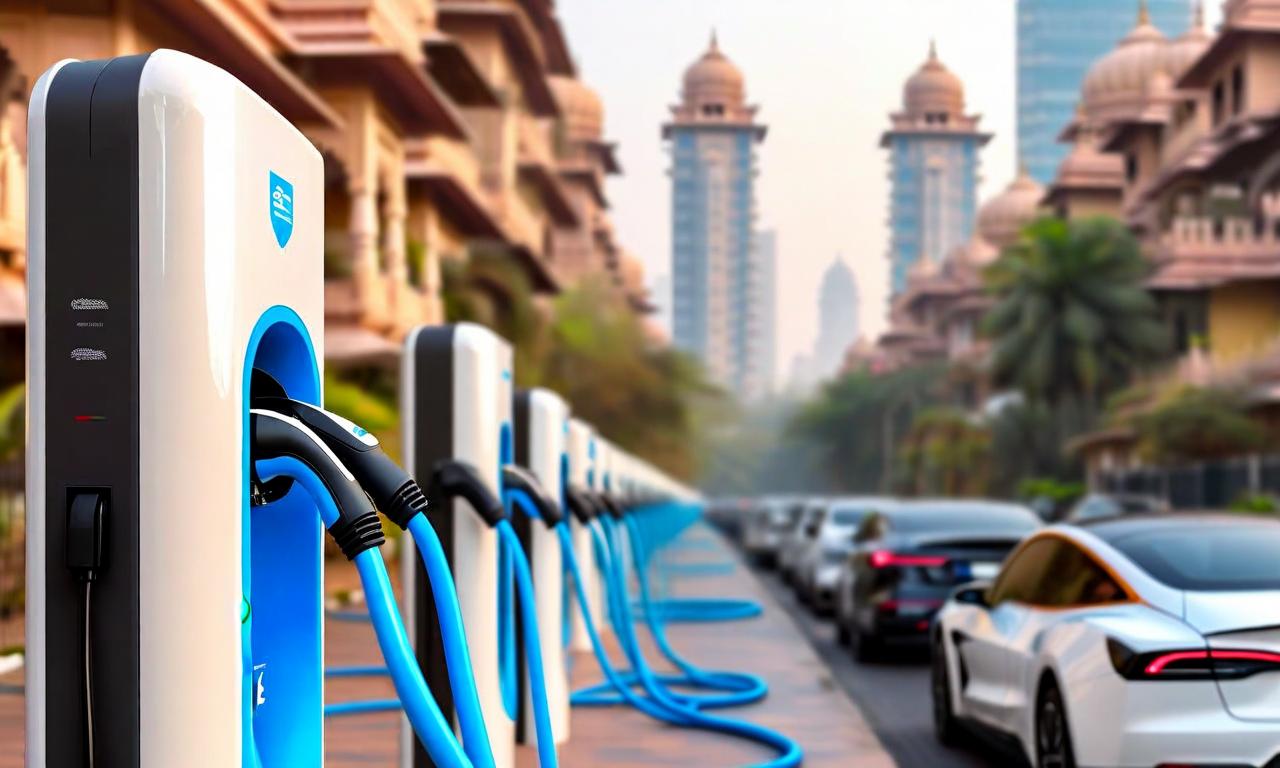
*this image is generated using AI for illustrative purposes only.

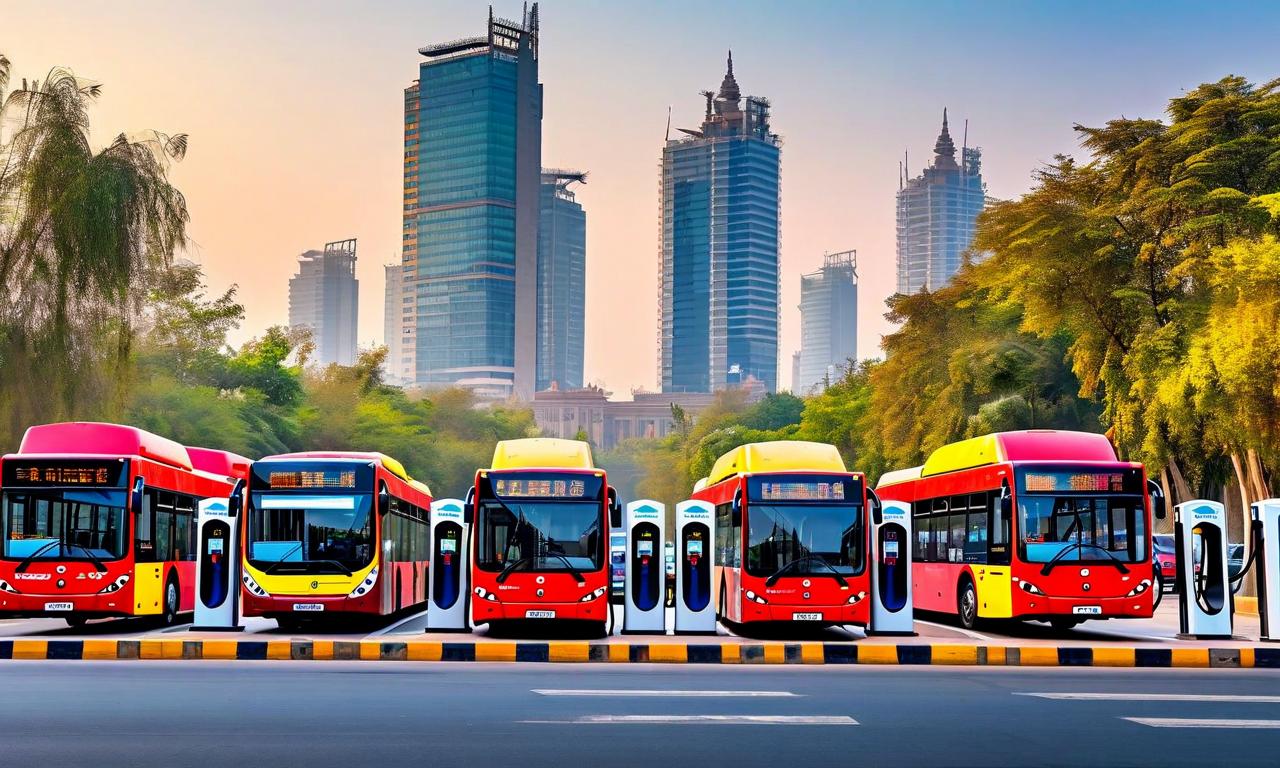
Delhi Chief Minister Rekha Gupta has announced a groundbreaking initiative aimed at revolutionizing the city's transportation landscape. The new Electric Vehicle (EV) Policy 2.0 sets an ambitious target to convert all public transport vehicles in the national capital to electric by 2026, marking a significant step towards sustainable urban mobility.

Key Highlights of Delhi's EV Policy 2.0

  • All-Electric Public Transport: The policy aims to transition the entire public transport fleet to electric vehicles by 2026.
  • EV Market Leadership: Delhi aspires to become a leading EV market in India, promoting a wide variety of electric vehicle options for consumers.
  • Air Quality Improvement: A primary goal of the policy is to enhance Delhi's air quality through reduced emissions.
  • One-Third Electric: The initiative targets making every third vehicle in Delhi electric, signaling a massive shift in the city's transportation ecosystem.

Policy Timeline and Implementation

The announcement of EV Policy 2.0 comes at a crucial juncture. The current EV initiative, launched in 2020, expired in August 2023 but has been extended multiple times. The latest extension runs through March 31, 2026, providing time for public consultation and smooth transition to the new policy.

Stakeholder Engagement

Chief Minister Gupta unveiled the policy at an event organized by the Society of Indian Automobile Manufacturers (SIAM), highlighting the government's commitment to working closely with the automotive industry. This collaboration is expected to play a vital role in creating a robust EV ecosystem in the city.

Focus on Consumer Choice

A key aspect of the new policy is its emphasis on developing a strong EV market in Delhi. By fostering a diverse range of electric vehicle options, the government aims to cater to various consumer preferences and needs, potentially accelerating EV adoption among private vehicle owners.

Implications for Delhi's Future

The EV Policy 2.0 represents a bold step towards sustainable urban development. If successful, it could significantly reduce the city's carbon footprint, alleviate air pollution, and position Delhi as a model for other Indian cities in the transition to clean energy transportation.

As the policy moves into the implementation phase, it will be crucial to monitor the progress of infrastructure development, including charging stations, as well as the response from both the public and the automotive industry. The success of this initiative could pave the way for similar policies across India, potentially transforming the country's approach to urban transportation and environmental sustainability.

like20
dislike

More News on