

Delhi Unveils Ambitious EV Policy 2.0: All Public Transport to Go Electric by 2026


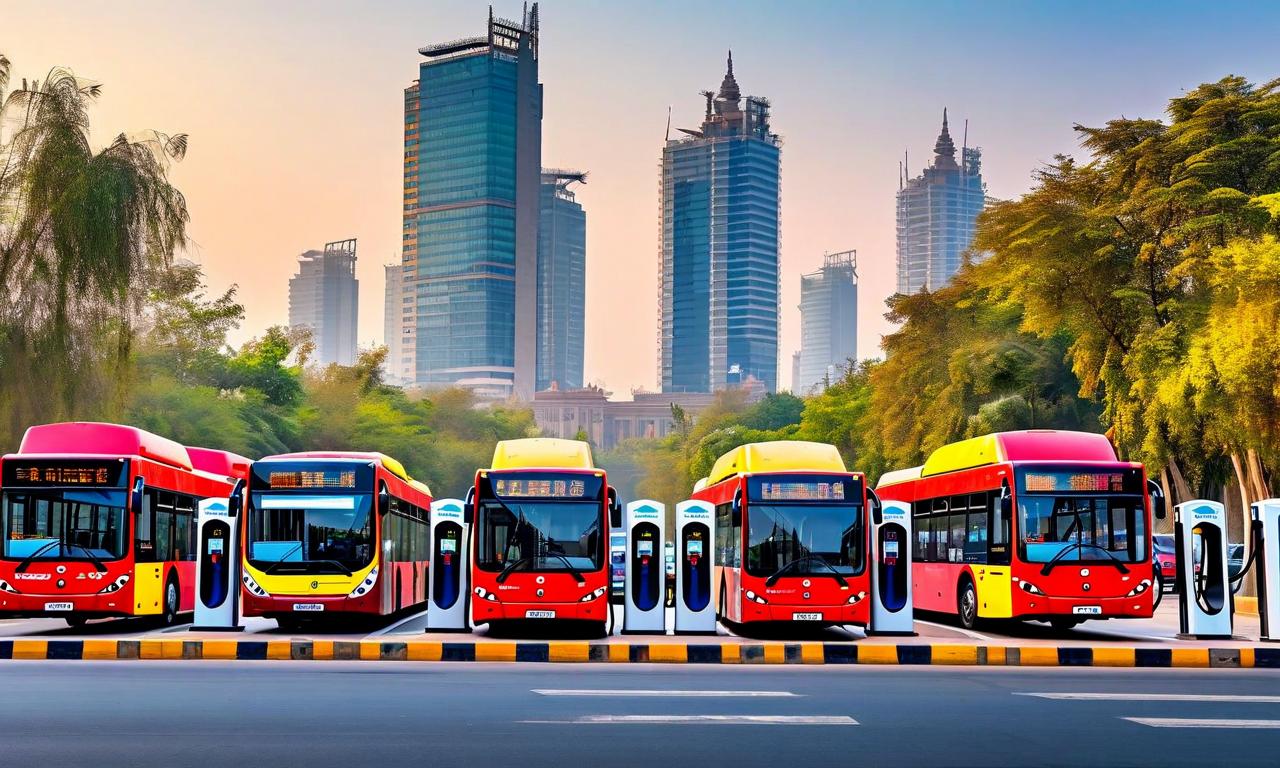
Delhi Chief Minister Rekha Gupta announced the Electric Vehicle (EV) Policy 2.0, targeting to convert all public transport vehicles to electric by 2026. The policy aims to make Delhi a leading EV market in India, improve air quality, and make every third vehicle in the city electric. The current EV initiative has been extended until March 31, 2026, allowing time for public consultation and smooth transition. The policy emphasizes developing a diverse range of EV options to cater to various consumer preferences.
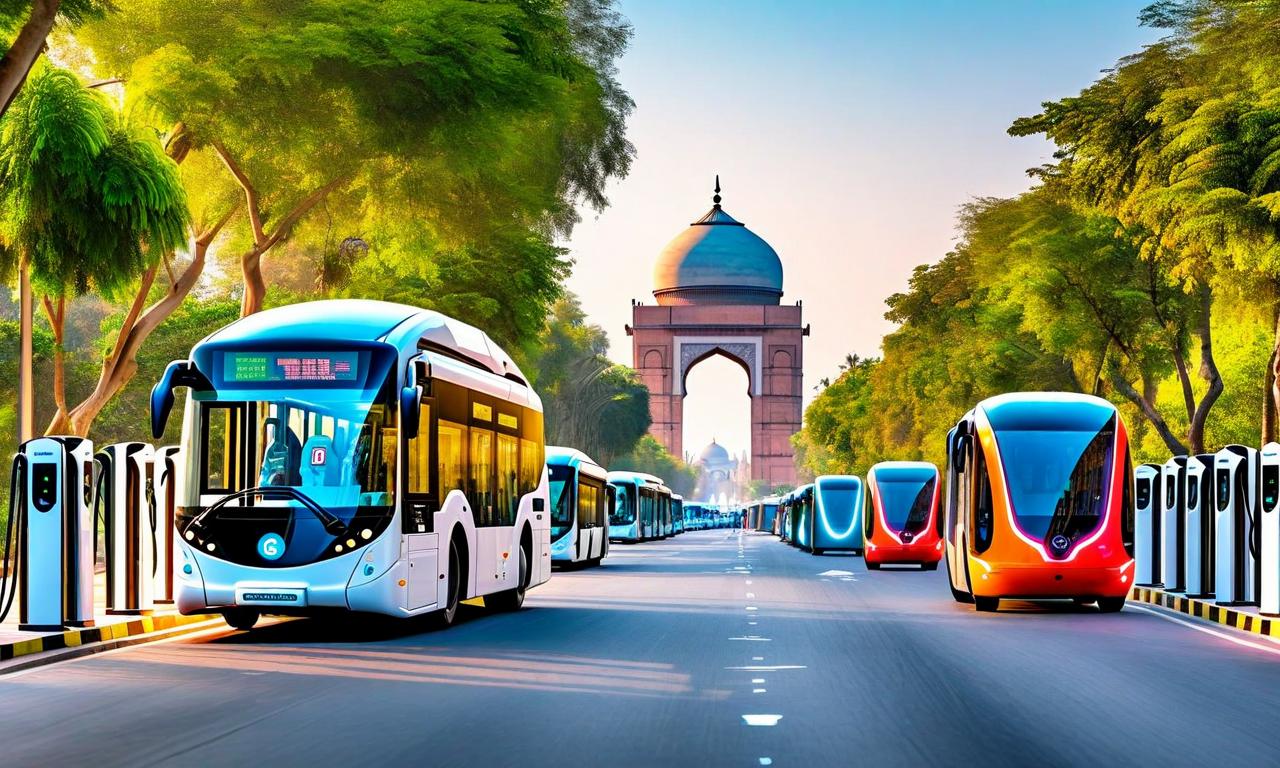

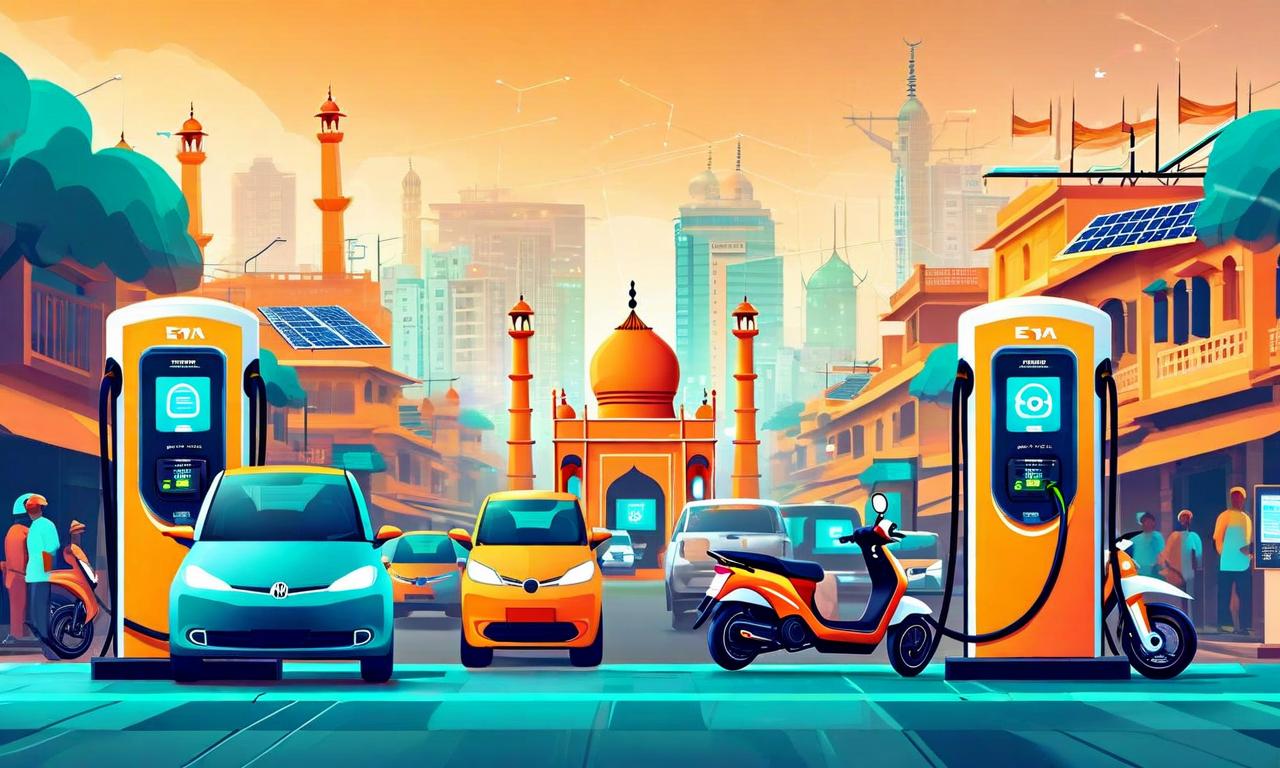
*this image is generated using AI for illustrative purposes only.
Delhi Chief Minister Rekha Gupta has announced a groundbreaking initiative aimed at revolutionizing the city's transportation landscape. The new Electric Vehicle (EV) Policy 2.0 sets an ambitious target to convert all public transport vehicles in the national capital to electric by 2026, marking a significant step towards sustainable urban mobility.
Key Highlights of Delhi's EV Policy 2.0
- All-Electric Public Transport: The policy aims to transition the entire public transport fleet to electric vehicles by 2026.
- EV Market Leadership: Delhi aspires to become a leading EV market in India, promoting a wide variety of electric vehicle options for consumers.
- Air Quality Improvement: A primary goal of the policy is to enhance Delhi's air quality through reduced emissions.
- One-Third Electric: The initiative targets making every third vehicle in Delhi electric, signaling a massive shift in the city's transportation ecosystem.
Policy Timeline and Implementation
The announcement of EV Policy 2.0 comes at a crucial juncture. The current EV initiative, launched in 2020, expired in August 2023 but has been extended multiple times. The latest extension runs through March 31, 2026, providing time for public consultation and smooth transition to the new policy.
Stakeholder Engagement
Chief Minister Gupta unveiled the policy at an event organized by the Society of Indian Automobile Manufacturers (SIAM), highlighting the government's commitment to working closely with the automotive industry. This collaboration is expected to play a vital role in creating a robust EV ecosystem in the city.
Focus on Consumer Choice
A key aspect of the new policy is its emphasis on developing a strong EV market in Delhi. By fostering a diverse range of electric vehicle options, the government aims to cater to various consumer preferences and needs, potentially accelerating EV adoption among private vehicle owners.
Implications for Delhi's Future
The EV Policy 2.0 represents a bold step towards sustainable urban development. If successful, it could significantly reduce the city's carbon footprint, alleviate air pollution, and position Delhi as a model for other Indian cities in the transition to clean energy transportation.
As the policy moves into the implementation phase, it will be crucial to monitor the progress of infrastructure development, including charging stations, as well as the response from both the public and the automotive industry. The success of this initiative could pave the way for similar policies across India, potentially transforming the country's approach to urban transportation and environmental sustainability.
 17
17





 Access 50+ Readymade Screeners
  Use 200+ Custom Filters
  Get Full Market Insights





