
 NewsPre-Budget Market Correction Creates Selective Value Opportunities in Defence and Infrastructure
Pre-Budget Market Correction Creates Selective Value Opportunities in Defence and Infrastructure


Indian markets declined sharply this week with Sensex falling nearly 2,500 points ahead of the February 1 Union Budget. Despite the volatility driven by global uncertainties, analysts see selective opportunities in defence, affordable housing, and infrastructure sectors. Experts recommend focusing on quality stocks with strong fundamentals rather than panic selling, viewing the correction as temporary given India's intact corporate earnings and growth prospects.



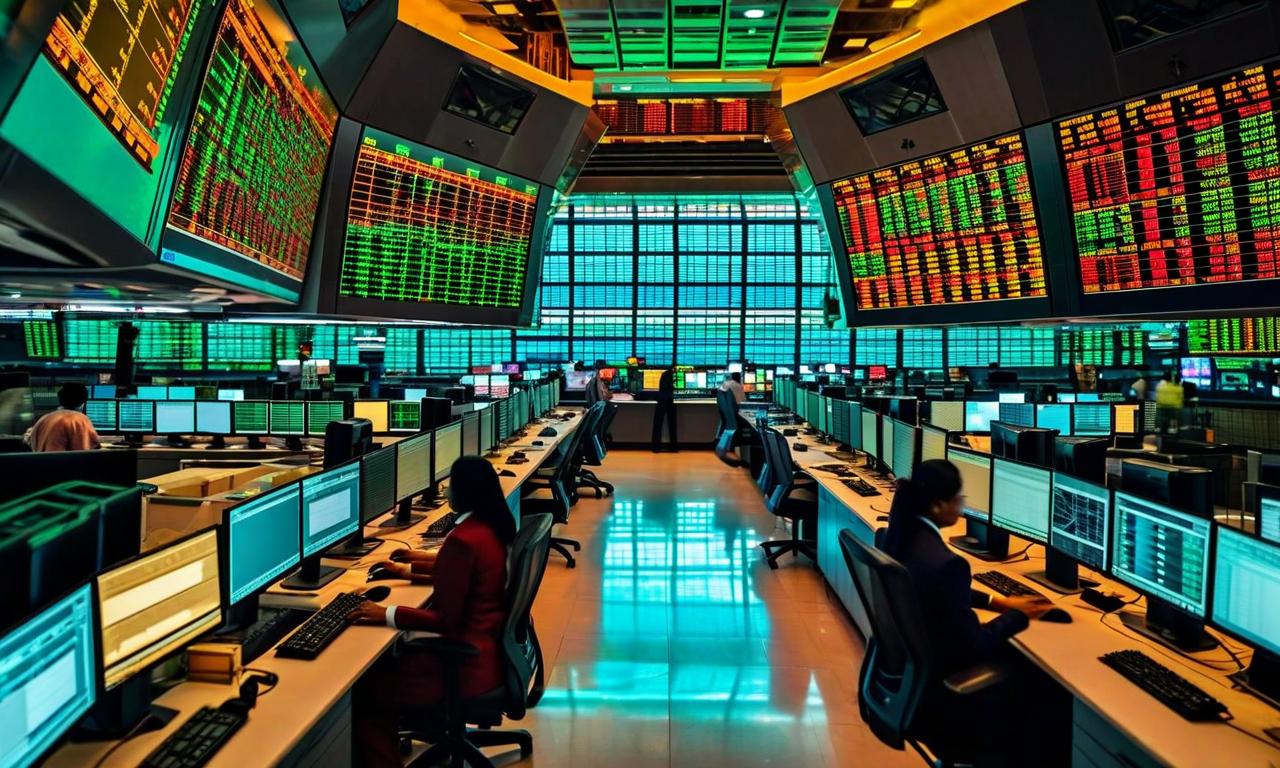
*this image is generated using AI for illustrative purposes only.
Indian equity markets witnessed sharp declines this week as investors adopted a cautious stance ahead of the Union Budget scheduled for February 1. The volatility has created selective opportunities across sectors, with analysts identifying specific themes that could benefit from government policy focus.
Market Performance and Volatility
The benchmark indices experienced significant pressure during the week, reflecting pre-Budget uncertainty and global risk-off sentiment.
| Index | Decline | Key Level |
|---|---|---|
| Sensex | Nearly 2,500 points | Intraday low of 81,124.45 |
| Nifty 50 | Over 775 points (3%+) | Day's low of 24,919.80 |
| Volatility Index | Jumped to 14.43 | Highest since June |
On January 21, the Sensex plunged more than 1,056 points (nearly 1.30 percent) before experiencing sharp intraday recovery and subsequent decline. The Nifty 50 fell below the crucial 25,000 level, marking a decline of more than 775 points for the week. All major sectoral indices traded in negative territory, with consumer durables, banks, and IT leading the losses.
Budget Expectations and Policy Themes
Citi Research anticipates the Union Budget for fiscal year 2027 to maintain focus on targeted priorities while offering limited consumption support. The research house expects continued emphasis on public capital expenditure, with spending budgeted above nominal GDP growth.
| Budget Theme | Focus Area | Key Expectations |
|---|---|---|
| Defence | Public Capex | Led by defence outlays |
| Affordable Housing | Targeted Priority | Government support continuation |
| Manufacturing | Customs Duty | Potential architecture overhaul |
| Capital Markets | Tax Regime | Possible STT and capital gains tweaks |
Fiscal consolidation is expected to continue despite narrowing options for tax revenue increases following major cuts to corporate tax, personal income tax, and the GST regime.
Analyst Perspectives on Market Correction
Market experts attribute the current correction to external factors rather than fundamental weakness in Indian businesses. Tushar Badjate of Badjate Stock & Share emphasized that corporate balance sheets remain stable with earnings largely intact, positioning India as one of the strongest global growth stories.
The correction stems from multiple factors including global trade uncertainties, aggressive foreign institutional investor outflows, and proximity to the Union Budget. US-led trade tariff concerns and India-US trade negotiation uncertainties have added to market pressure, alongside rupee depreciation.
Sector-Specific Investment Opportunities
Analysts have identified several sectors offering attractive value propositions amid the market correction.
Defence and Infrastructure
Citi Research highlights defence as a preferred theme, naming Bharat Electronics as a top pick. The sector benefits from expected higher budget allocations driven by border security needs and indigenization efforts under Make in India initiatives.
Affordable Housing
The affordable housing segment presents opportunities with companies like Aavas Financiers and Aadhar Housing Finance positioned to benefit from continued government focus.
Traditional Defensives
FMCG, healthcare, and quality large-cap financial stocks appear attractive on current valuations. Select PSU banks also offer value opportunities for long-term investors.
Investment Strategy Recommendations
Experts recommend a disciplined approach during the current volatility phase. Rather than binary choices between defensive and cyclical stocks, the focus should be on balance sheet strength, pricing power, and cash flow durability.
Key Investment Principles:
- Avoid panic selling except in illiquid or loss-making microcap stocks
- Focus on companies with sustainable earnings and strong fundamentals
- Consider ETFs for diversified exposure during uncertain phases
- Maintain gradual accumulation strategy without leverage
- Target businesses with intact earnings visibility despite valuation corrections
Historically, pre-Budget corrections have rewarded investors who maintained discipline and focused on quality companies rather than reacting to short-term sentiment swings. The current market environment presents opportunities for value investors willing to look beyond immediate volatility toward long-term fundamentals.
 17
17














 Create Custom Screeners
  Access 200+ Pre-built Filters
  Use 50+ Readymade Screener





