News Stocks Indian Stock Markets Navigate Geopolitical Headwinds Despite Strong Economic Fundamentals
Indian Stock Markets Navigate Geopolitical Headwinds Despite Strong Economic Fundamentals


Indian stock markets face volatility from geopolitical tensions including US tariff policies on Russian oil imports up to 500% and EU tariff threats up to 10%, despite strong economic fundamentals showing 7.0% GDP growth forecast for FY26-FY27. Market experts recommend measured approach during this uncertain phase while FII selling pressure and rising bond yields continue to impact investor sentiment.


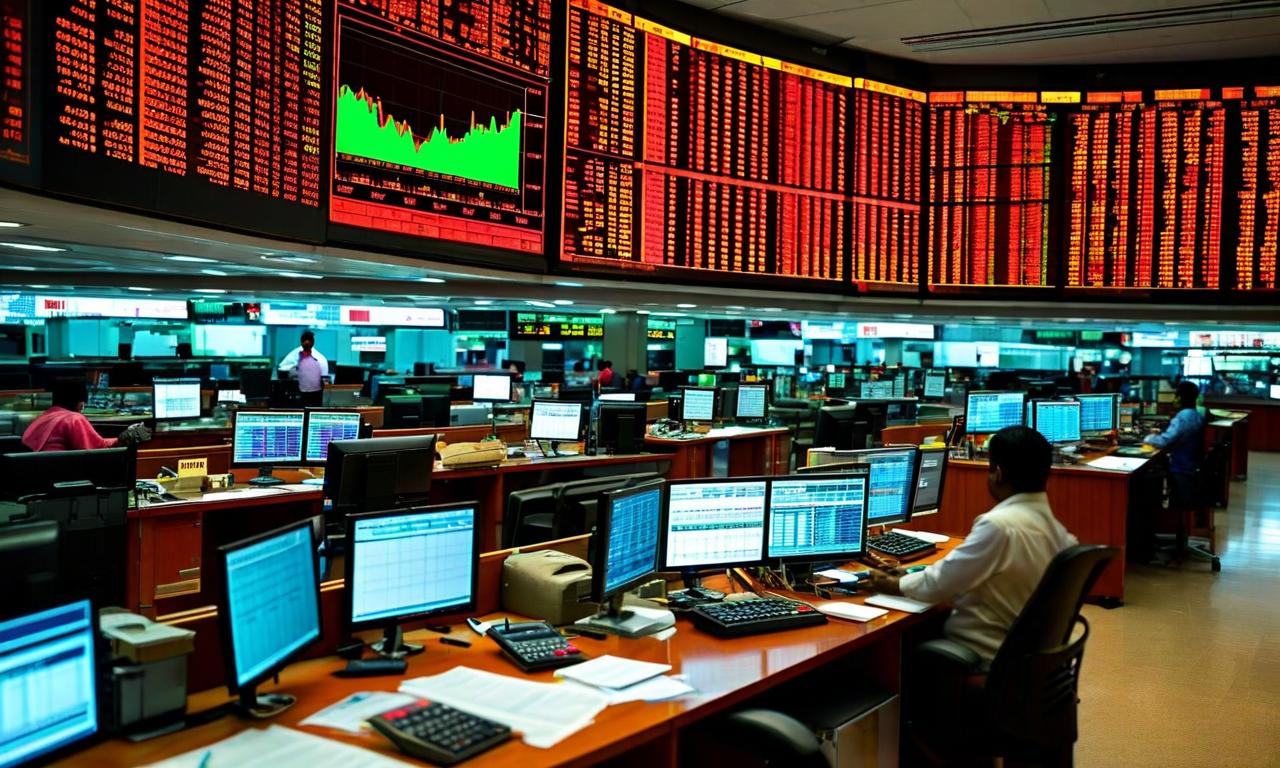
*this image is generated using AI for illustrative purposes only.
Indian stock markets are grappling with heightened volatility as geopolitical tensions create uncertainty for investors, despite the underlying economy showing resilience with domestic demand remaining robust and GDP growth projections of 7.0% for both FY26 and FY27.
Market Volatility Drivers
The Indian markets began the new year by touching record highs, but gains proved short-lived following disruptions in Venezuela that triggered oil price volatility. While the overall impact on global oil markets has remained limited due to ample global supply and subdued demand outlook, the uncertainty continues to affect market sentiment.
A significant development came when Trump signed legislation imposing tariffs up to 500% on nations importing oil from Russia. This policy particularly impacts India, where Russian oil represented the largest source of imports in 2025, though this dependency has since reduced while maintaining the third position among oil suppliers.
Geopolitical Tensions Escalate
Market concerns intensified when Trump announced intentions regarding Greenland, prompting strong opposition from the EU. In response, Trump proclaimed new tariffs on the EU of up to 10%. However, market sentiment improved following Trump's more measured address at Davos and subsequent withdrawal of these tariff threats.
| Key Market Impact Factors: | Details |
|---|---|
| GDP Growth Forecast: | 7.0% for FY26 and FY27 |
| Russian Oil Tariffs: | Up to 500% |
| EU Tariff Threats: | Up to 10% (later withdrawn) |
| Oil Import Ranking: | Russia holds third position for India |
Market Response and Investor Sentiment
The geopolitical uncertainty has contributed to rising global bond yields and increased volatility indices, with both the global volatility index and India VIX showing upward trends. Foreign Institutional Investors (FIIs) have maintained their selling strategy on Indian markets, citing concerns over earnings growth relative to high valuations and delays in US-India trade agreements.
Domestic and international investors have been closely monitoring potential US-India trade deal developments, though progress appears extended given the US's focus on Russian oil policies and increased access to India's agriculture and dairy markets.
Trading Strategy Recommendations
Market experts advise investors to maintain a measured short-term outlook and avoid panic-driven selling during this volatile phase. The rationale includes:
- Ongoing constructive discussions between the US and India
- Progress on the EU-India FTA as a positive development
- Expectations of improved earnings following weak Q3 results from IT and banking sectors
- Consumer-led demand expected to drive better performance in upcoming quarters
Despite the challenging geopolitical environment, the fundamental strength of the Indian economy, supported by healthy domestic demand and strong growth projections, provides a foundation for long-term optimism while navigating near-term market volatility.
 20
20