

Indian Stock Market Correction: Nifty Down 3% in 2026 Amid Trade Deal Uncertainty


Indian stock markets are experiencing a correction in 2026 with Nifty down 3%, midcaps down 5%, and smallcaps down 8%. Three main factors drive the decline: uncertainty over the US-India trade deal amid Russian oil import disputes and potential 500% tariffs, slow corporate earnings recovery expected to take several quarters, and geopolitical tensions from US actions globally. Despite FII selling, strong DII inflows of ₹7.44 trillion in 2025 versus ₹1.66 trillion FII outflows provide market support and suggest resilience in the correction.

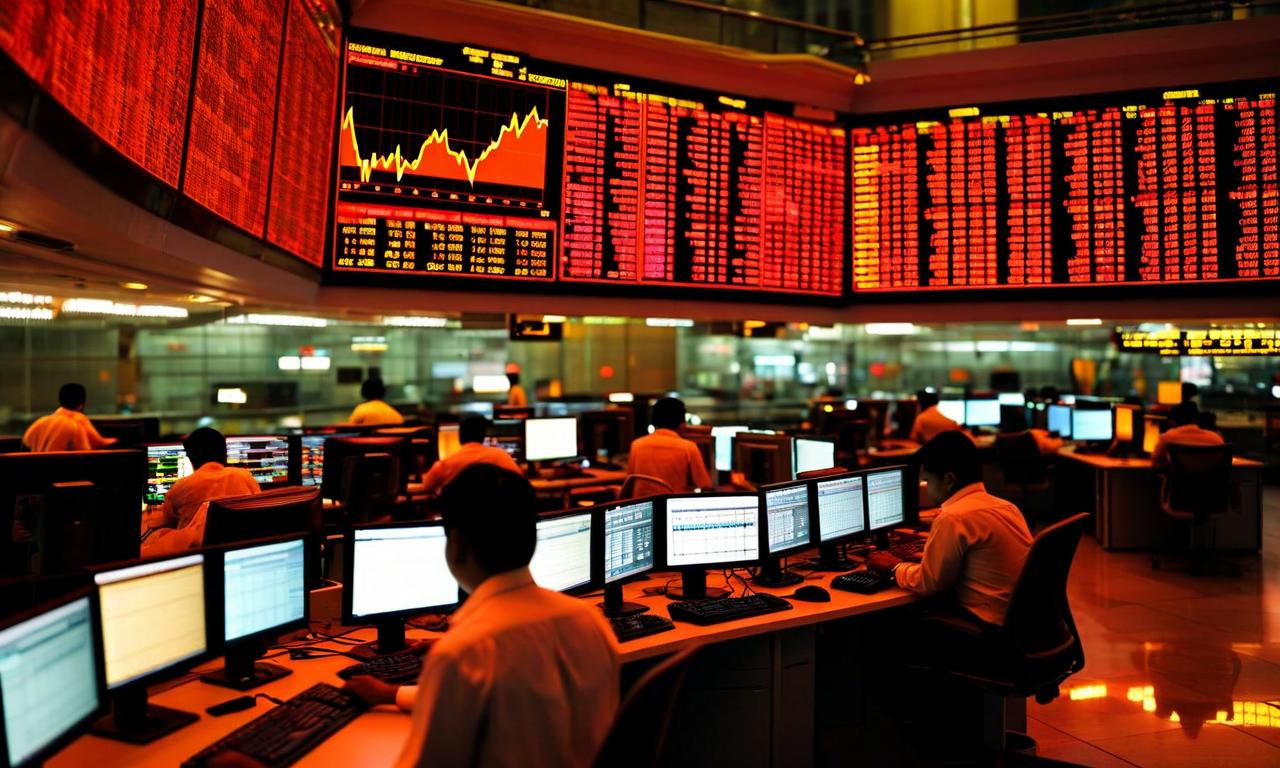

*this image is generated using AI for illustrative purposes only.
The Indian stock market has entered 2026 on a challenging note, with major indices experiencing significant corrections from their all-time highs. Market sentiment has deteriorated sharply in recent weeks, marking a clear shift from the optimistic start to the year.
Market Performance Overview
The current market correction has impacted different segments with varying intensity:
| Index | Performance in 2026 | Impact Level |
|---|---|---|
| Nifty | Down 3% | Moderate |
| BSE MidCap | Down 5% | Significant |
| BSE SmallCap | Down 8% | Severe |
The broader market decline has been particularly painful for retail investors, as mid-caps and small-caps form the bulk of individual portfolios. This disproportionate impact on retail holdings has significantly dampened sentiment across Dalal Street.
Key Factors Behind the Market Decline
US-India Trade Deal Uncertainty
The pending trade agreement between India and the US has emerged as a major source of market uncertainty. Despite months of negotiations, several critical issues remain unresolved, with Russian oil imports becoming a key point of contention. President Trump has supported legislation imposing up to 500% tariffs on countries that import Russian oil, creating additional complexity for the trade discussions.
While media reports suggest the talks have reached an advanced stage with many points agreed upon, there remains no clear timeline for completion. Earlier reports indicated a potential March deadline, but neither side has provided assurance on this timeframe. Markets are particularly sensitive to this uncertainty, especially given the current 50% tariff on India that investors hope to see removed.
Slow Corporate Earnings Recovery
Corporate India's earnings performance has been disappointing over recent quarters, creating a cautious investment environment. The ongoing earnings season was expected to signal a recovery in sales and profit growth, but early results suggest a full earnings recovery may take several more quarters to materialize.
This extended timeline for earnings improvement has led to:
- Reduced expectations for rapid growth
- Hesitation among institutional investors
- A general wait-and-see approach from market participants
Geopolitical Tensions
Heightened geopolitical risks have added another layer of concern for investors. Key developments include:
- US actions in Venezuela
- Trump's threats regarding Greenland
- Escalating tensions with Iran
- Concerns about potential major conflicts
These geopolitical uncertainties have contributed to continued Foreign Institutional Investor (FII) selling, further pressuring market sentiment alongside the falling rupee.
Market Recovery Prospects
Despite current challenges, historical data provides some reassurance for long-term investors. In 2025, Domestic Institutional Investors (DIIs) contributed massive inflows of ₹7.44 trillion, significantly outweighing FII selling of ₹1.66 trillion. This domestic support has prevented more severe market corrections and suggests resilience in the Indian market structure.
Key Recovery Indicators to Watch
| Factor | Current Status | Impact on Recovery |
|---|---|---|
| FII Flows | Outflows continuing | Critical for sentiment |
| Earnings Growth | Slow recovery expected | Fundamental driver |
| US Trade Deal | Uncertain timeline | Major catalyst potential |
| Geopolitical Stability | Ongoing tensions | Risk factor |
| Union Budget | Upcoming | Short-term catalyst |
Investment Strategy Considerations
For investors navigating this correction, fundamental analysis remains crucial. Key questions to evaluate current holdings include:
- Are company fundamentals deteriorating?
- Have there been recent negative changes in business prospects?
- Did valuations become excessive without earnings support?
- Were there errors in original investment analysis?
Stocks with strong long-term fundamentals that have declined due to short-term sentiment may present opportunities for patient investors. The current environment emphasizes the importance of thorough due diligence and focus on companies with solid corporate governance and reasonable valuations.
While the timing of market recovery remains uncertain, the combination of strong domestic institutional support and India's long-term economic prospects suggests that patient investors with quality holdings may be rewarded over time.
 17
17










 Create Custom Screeners
  Access 200+ Pre-built Filters
  Use 50+ Readymade Screener





