

India Targets Top 10 Global Shipbuilding Rank By 2030 With ₹44,700 Crore Subsidy Push


The Indian Government has launched ₹44,700 crore worth of shipbuilding schemes to elevate India from 16th to top 10 globally by 2030. The initiatives aim to increase annual output from under 1 lakh GT to 4.5 million GT while creating 30 lakh jobs. With strong order visibility of ₹2.2 lakh crore over the next decade and international players already placing orders, the comprehensive strategy addresses capacity expansion, local content requirements, and regulatory reforms.


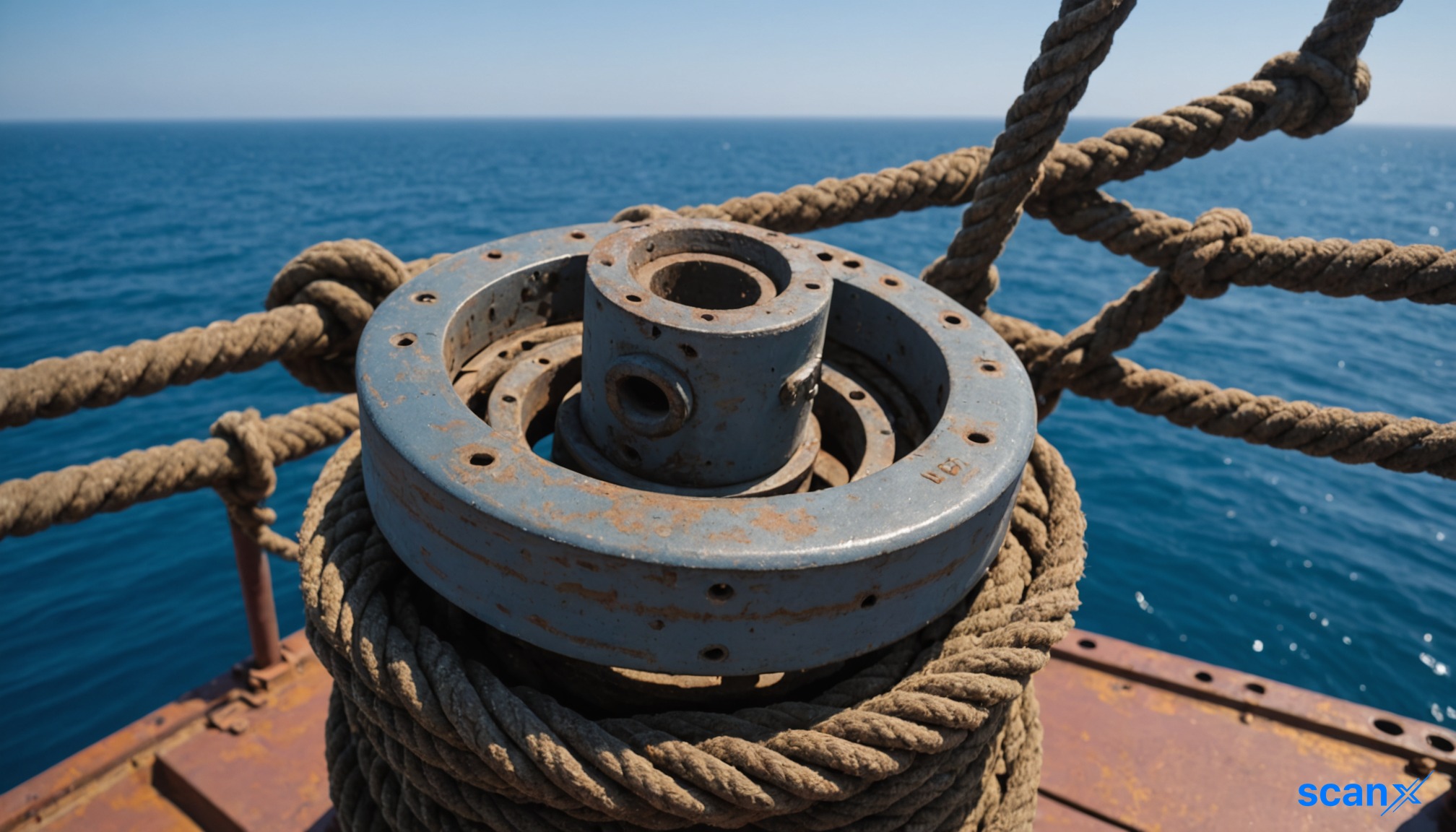
*this image is generated using AI for illustrative purposes only.
The Indian Government has unveiled an ambitious roadmap to transform the country into a global shipbuilding powerhouse, targeting a leap from the current 16th position to the top 10 by 2030 and the top five by 2047. The government has notified operational guidelines for two flagship initiatives worth over ₹44,700 crore, designed to revolutionize India's shipbuilding capabilities and create substantial employment opportunities.
Major Government Initiatives
The comprehensive strategy centers around two key schemes that address multiple aspects of shipbuilding development. Vijay Kumar, shipping secretary, explained that the Shipbuilding Financial Assistance Scheme (SBFAS) and the Shipbuilding Development Scheme (SbDS) are specifically designed to strengthen domestic shipbuilding capacity and improve global competitiveness. These schemes will support crucial areas including skilling, training, testing, and research and development in the shipbuilding sector.
| Initiative: | Details |
|---|---|
| Current Global Rank: | 16th position |
| Target by 2030: | Top 10 globally |
| Target by 2047: | Top 5 globally |
| Total Investment: | Over ₹44,700 crore |
| Brownfield Expansion Assistance: | 25% of expansion costs |
Production Targets and Employment Generation
The schemes are projected to deliver significant improvements in India's shipbuilding output and job creation. The initiatives aim to increase India's annual shipbuilding capacity from under 1 lakh GT to 4.5 million GT, representing a massive scale-up in production capabilities. This expansion is expected to generate 30 lakh jobs across the shipbuilding ecosystem, addressing both skilled and semi-skilled employment needs.
The government has also identified strong market demand to support this expansion. Ministries have aggregated demand for over 400 vessels worth ₹2.2 lakh crore over the next decade, ensuring robust order visibility for Indian shipyards. Global shipping giants including CMA CGM and Maersk have already begun placing orders with Indian yards, demonstrating growing international confidence in India's shipbuilding capabilities.
Targeted Incentives and Local Content Requirements
The subsidy structure incorporates strategic local content requirements to boost domestic manufacturing. The schemes mandate a minimum 30% local content for eligibility, with this requirement rising to 40% for accessing full benefits. This approach aims to develop the entire domestic supply chain while making Indian shipyards globally competitive.
| Incentive Type: | Benefit |
|---|---|
| Shipbreaking Credit Note: | Up to 40% |
| Interest Subvention: | Up to 3% |
| Minimum Local Content: | 30% for eligibility |
| Full Benefits Local Content: | 40% requirement |
| Higher Subsidy Focus: | Specialized and green-fuel vessels |
The government is also focusing on capacity expansion through both brownfield and greenfield development. For existing shipyard expansion, the government provides approximately 25% assistance to expand brownfield shipyards. Additionally, plans include setting up new greenfield shipyards to meet growing demand.
Regulatory Reforms and Future Strategy
The shipping secretary highlighted that the Draft Merchant Shipping Rules, 2026 aims to simplify regulations and integrate smaller operators into the mainstream shipbuilding ecosystem. The comprehensive approach addresses financing, technology, and skilling requirements to create a globally competitive shipbuilding industry.
The final component of the strategy involves creating a maritime development fund for equity investments in shipping operations to boost overall industry viability. Special emphasis is being placed on promoting circular economy principles through shipbreaking credit notes and supporting fleet renewal initiatives. Higher subsidy rates are specifically allocated for specialized vessels and green-fuel ships, aligning with global sustainability trends and technological advancement in maritime transportation.
 17
17





 Create Custom Screeners
  Access 200+ Pre-built Filters
  Use 50+ Readymade Screener





