

India's Growth Story: Key Sectors Set for Expansion


India has become the world's fifth-largest economy with a GDP of $4.1 trillion, projected to grow at 7% annually. Government reforms including monetary easing, tax cuts, and regulatory changes are driving economic momentum. Key sectors expected to benefit include financial services, metals, and cement. The country's young demographics present a large domestic market and skilled workforce. Economic recovery indicators show improvements in rural consumption and capital expenditure expansion.


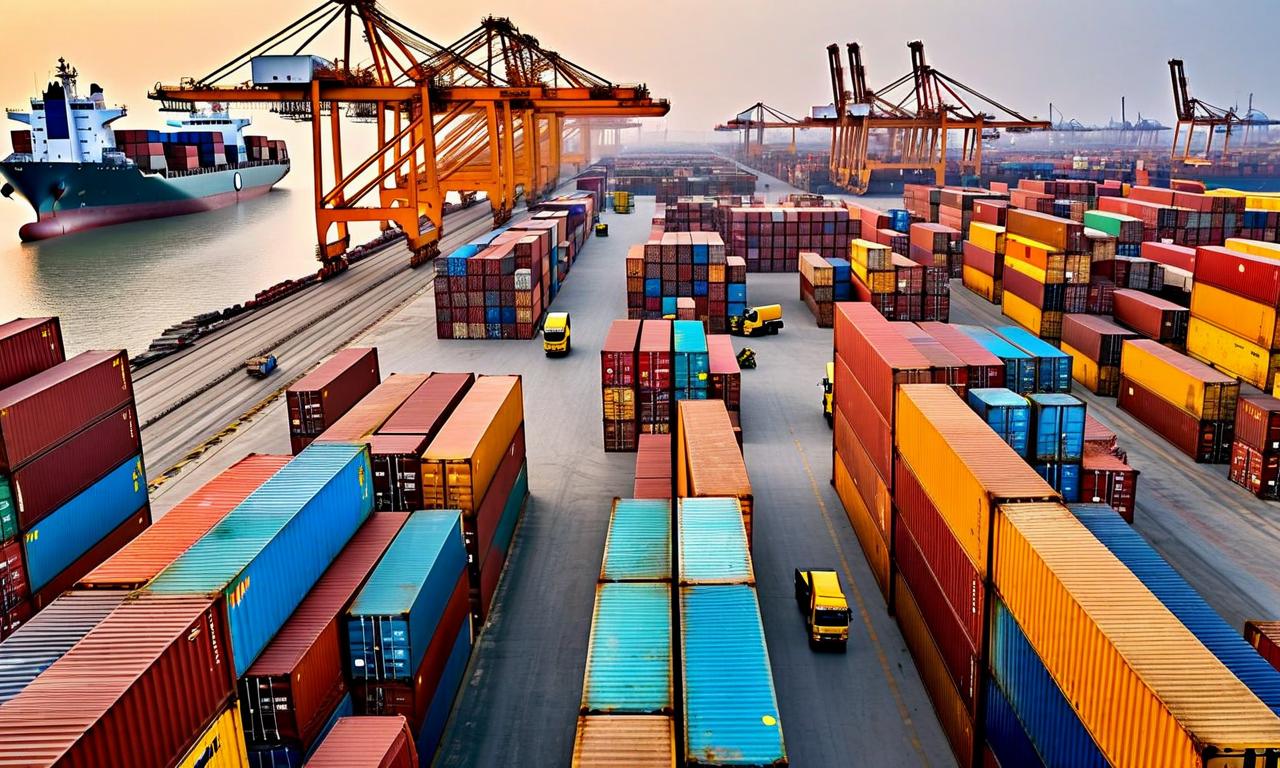
*this image is generated using AI for illustrative purposes only.
India's economy, now the world's fifth-largest at $4.1 trillion GDP, is expected to grow 7% annually. Government reforms including monetary easing, tax cuts, and regulatory changes may position financials, metals, and cement sectors for strong growth.
Nippon Life India AMC reports that India has established itself as the world's fifth-largest economy with a GDP of $4.1 trillion and is projected to grow at approximately 7% per annum, potentially maintaining its status as the fastest-growing major economy globally. With one of the world's largest populations dominated by young demographics, India presents both a massive domestic market and a substantial pool of skilled, English-speaking workforce.
Government Reforms Drive Economic Momentum
The past year has witnessed a series of strategic reforms and initiatives designed to strengthen the macroeconomic environment and support financial market growth.
Monetary Policy Easing Measures
India's monetary policy has shifted toward accommodative measures to stimulate economic expansion. The Reserve Bank of India has implemented significant policy changes:
| Policy Measure | Reduction Amount |
|---|---|
| Repo Rate Cuts | 125 basis points |
| Cash Reserve Ratio (CRR) | 100 basis points |
| Open Market Operations | ₹1 lakh crore |
These measures aim to encourage credit growth and reduce borrowing costs. Banks maintain clean balance sheets and willingness to lend, while borrowers continue deleveraging, creating conditions for potential loan growth acceleration to low-to-mid teens on a year-over-year basis.
Fiscal Stimulus Through Tax Reforms
The government announced direct tax reductions in the February Budget and GST cuts in September to boost disposable income and reduce business costs. Early results show promising agricultural growth, expanding credit, and rising auto sales following the GST reduction.
Regulatory and Structural Reforms
India's regulatory reforms focus on improving business ease, attracting foreign investment, and fostering innovation across multiple sectors.
Financial Sector Enhancements
The RBI announced 22 measures to strengthen banking system resilience and competitiveness, including liberalization of the external commercial borrowing framework. SEBI has introduced reforms to expand market participation and enhance investor protection while improving India's global competitiveness.
Business and Investment Facilitation
Key regulatory improvements include:
- Eased foreign direct investment restrictions in insurance and defense sectors
- Consolidation of 29 labor statutes into four simplified Labor Codes
- Expansion of single-window clearance systems through the National Single Window System
- GST simplification with fewer rate slabs and easier filing procedures
- Enhanced MSME support through simplified registration and improved credit access
Economic Recovery Indicators
Consumption Revival
Rural consumption shows improvement through higher tractor sales, reduced MGNREGA demand, and increasing consumer goods volumes, supported by favorable monsoon conditions. The 8th Pay Commission recommendations and arrears could further stimulate consumption in automobiles, consumer durables, and mid-to-low-income housing segments.
India has become the world's second-largest e-commerce market by online shoppers, with strong growth in travel, leisure, SUVs, luxury housing, and quick commerce sectors driven by premiumization and increased formalization.
Capital Expenditure Expansion
India's capital expenditure cycle is expanding into energy transition, defense manufacturing, data centers, semiconductors, and electronics. Policy incentives support these investments aimed at sustainable, resilient, and high-tech growth, with rising private sector participation.
Key Sectors for Focus
Financial Services
Banking and NBFC stocks are expected to demonstrate strong earnings growth, driven by credit recovery, margin expansion, and improved asset quality. Retail loans, mortgages, and MSME credit lead the recovery, while net interest margins benefit from deposit repricing, surplus liquidity, and policy easing.
Metals and Infrastructure
The metals sector could benefit from domestic demand and government policies, with potential catalysts from China's "anti-involution" policy and Five-Year Plan developments.
Cement Industry
Industry consolidation, housing recovery, rural demand revival, government capital expenditure, and operational efficiencies, combined with price increases, are expected to support profitability and sector re-rating.
These comprehensive reforms and favorable economic indicators may position India for sustained growth across multiple sectors, with particular strength expected in financial services, infrastructure, and consumption-driven industries.
Historical Stock Returns for Nippon Life India AMC
| 1 Day | 5 Days | 1 Month | 6 Months | 1 Year | 5 Years |
|---|---|---|---|---|---|
| -1.73% | +1.86% | -8.48% | +40.10% | +36.65% | +157.89% |
 15
15










 Access 50+ Readymade Screeners
  Use 200+ Custom Filters
  Get Full Market Insights





