
 NewsFund Managers Flag Short-Term Pain But Remain Confident on Indian Equities Despite Market Rout
Fund Managers Flag Short-Term Pain But Remain Confident on Indian Equities Despite Market Rout


Indian equity markets faced significant selling pressure with Sensex falling over 1,000 points and Nifty below 25,250, erasing nearly ₹10 lakh crore in market capitalisation. The correction was driven by global uncertainties including geopolitical tensions, trade concerns, and domestic earnings disappointments. Foreign investors continued selling with net outflows of ₹3,000 crore on January 20. Despite short-term volatility, fund managers remain cautiously optimistic citing India's inward-looking market structure, attractive valuations after 16 months of underperformance, and emerging opportunities in sectors like autos, mid-sized banks, consumption, and IT.

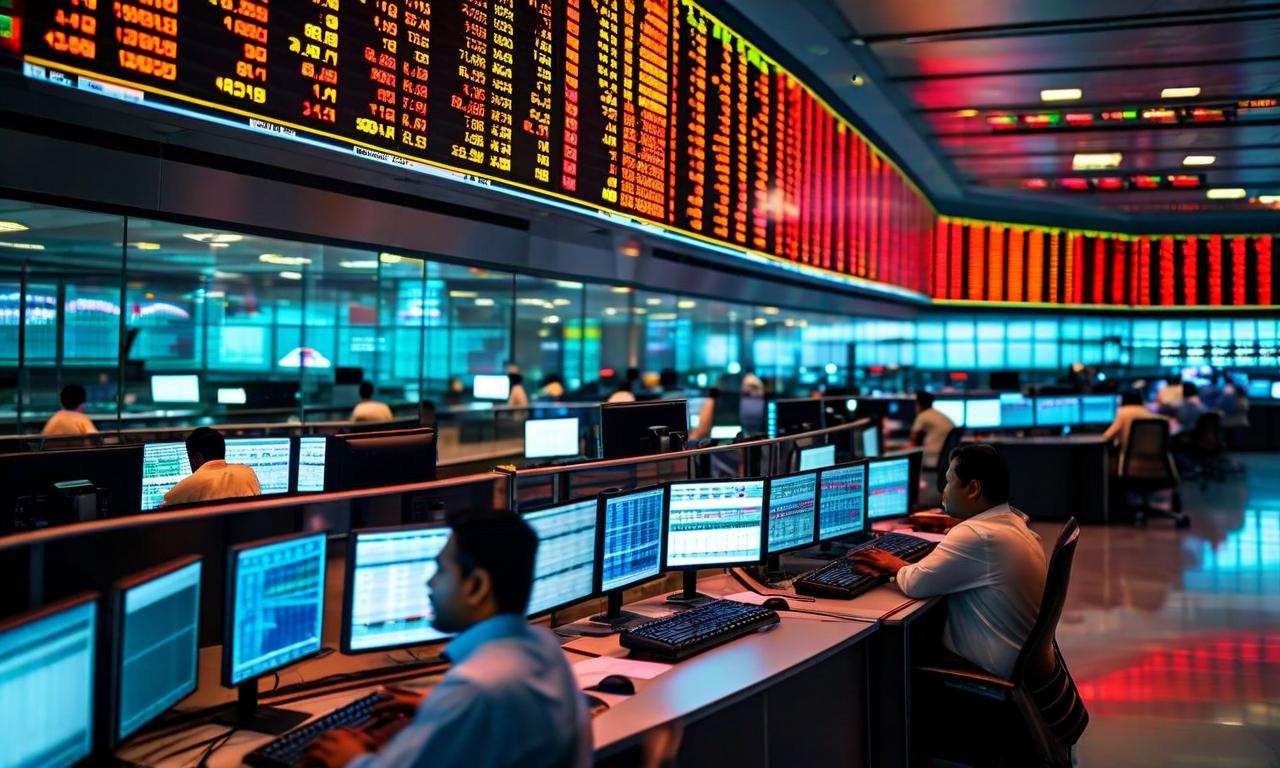

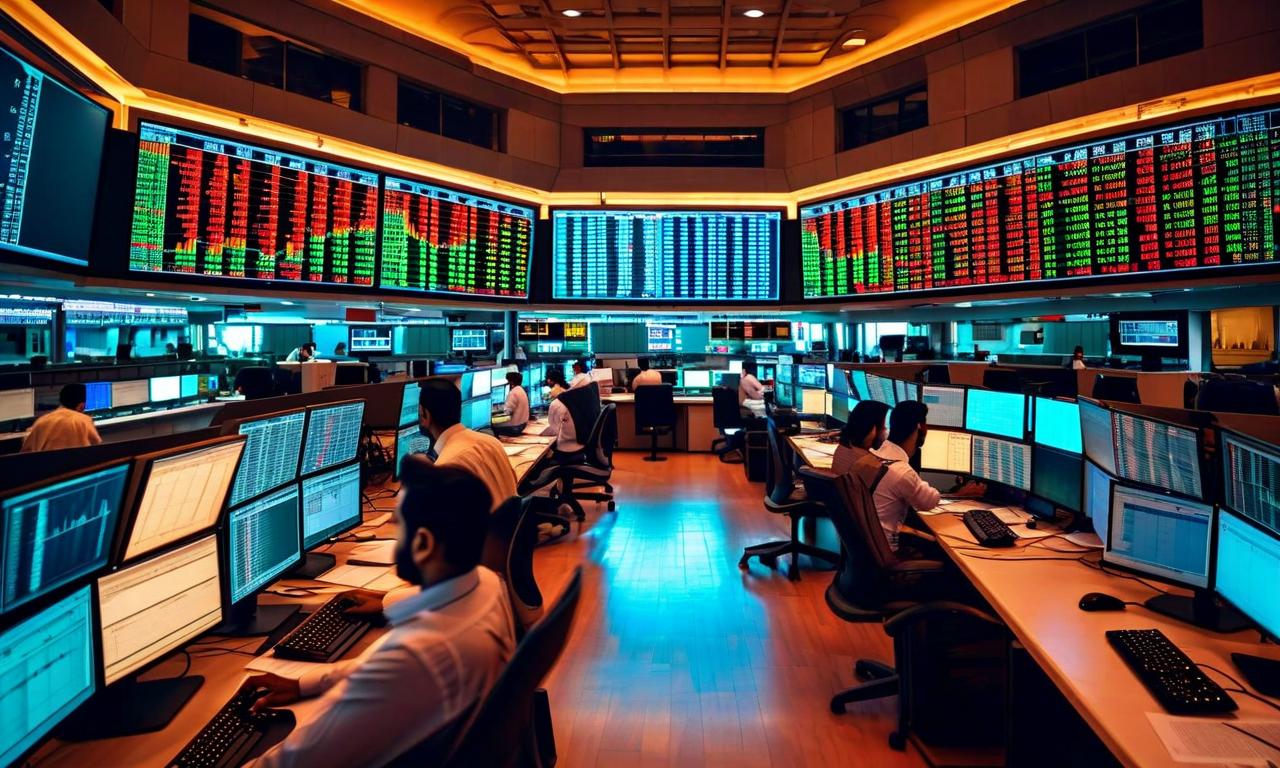
*this image is generated using AI for illustrative purposes only.
Indian equity markets experienced a sharp sell-off with broad-based selling pressure affecting investor sentiment across segments. The correction has been attributed to a combination of global uncertainties and domestic earnings disappointments, though fund managers maintain a cautiously optimistic outlook for the medium term.
Market Performance and Impact
Indian equity markets witnessed significant volatility with substantial losses across major indices. The selling pressure was broad-based, affecting different market segments with varying intensity.
| Market Impact: | Details |
|---|---|
| Sensex Decline: | Over 1,000 points |
| Nifty Level: | Below 25,250 |
| Market Cap Erosion: | Nearly ₹10 lakh crore |
| FII Net Sales (Jan 20): | ₹3,000 crore |
| Worst Hit Segments: | Mid- and small-cap stocks |
Foreign institutional investors continued their selling trend, extending a pattern that has seen Indian equities underperform global peers over the past year. The selling pressure was particularly intense in small- and micro-cap stocks, with market breadth weakening significantly.
Global Factors Driving Volatility
Global developments played a central role in shaping market sentiment during the ongoing World Economic Forum in Davos. Heightened geopolitical tensions and uncertainty around global trade dominated investor discussions.
Chirag Mehta, Chief Investment Officer and Fund Manager at Quantum AMC, noted that the current volatility is not driven by domestic fundamentals. "It's more related to global uncertainties emanating from tariff-related issues and geopolitical developments," Mehta said. He emphasized that this is not an India-centric issue, adding that "India is more inward-looking, and much of the impact is already priced in."
Concerns around trade protectionism, including continued rhetoric from US President Donald Trump on imposing higher tariffs and threats on Greenland, added to worries about the global growth outlook and cross-border trade flows.
Earnings Disappointment Compounds Pressure
Earnings disappointment also contributed to negative sentiment, with market reactions being more severe than expected. Aishvarya Dadheech, Founder & Chief Investment Officer at Fident Asset Management, said the scale of the sell-off was unexpected, especially since geopolitical tensions over the weekend had not immediately impacted markets.
"What actually played out is the market's disappointment with the earnings season," Dadheech explained. Despite several large companies reporting results broadly in line with expectations, stocks saw sharp declines. "The market didn't really appreciate the numbers," he said, citing heavy falls in names such as ICICI Bank, HDFC Bank, and Havells.
Alok Agarwal, Head – Quant & Fund Manager at Alchemy Capital Management, highlighted additional domestic concerns. "The month started with poor GST numbers for December and subdued capex data for November," he said, adding that pressure to meet budgeted targets has increased amid slower economic momentum and weaker tax collections.
Cautiously Optimistic Outlook
Despite near-term challenges, fund managers expressed confidence in India's medium-term prospects. Mehta noted that India is in a much better position after nearly 1.5 years of relative underperformance, with the valuation premium having narrowed. "As global uncertainties subside, India should see lesser impact compared to other markets," he said.
Agarwal echoed a cautiously constructive outlook, stating that while volatility may persist in the near term, medium-term prospects are supported by policy action and improving valuations. "The coordinated steps taken by the Government and the RBI to reactivate the economy are likely to show effect in coming months," he said.
Investment Opportunities Emerge
Fund managers acknowledged that the current correction is creating selective opportunities across various sectors. Mehta stressed the importance of a disciplined, bottom-up approach, noting that they "were cautious on markets over the last year and kept cash levels elevated."
"As markets have corrected and many mid- and small-cap stocks are down 30–40 percent or more, there is potential opportunity," Mehta said, adding that investment decisions need to be stock-specific and factor in how global events could affect earnings.
| Investment Focus Areas: | Sectors |
|---|---|
| Automotive: | Autos and auto ancillaries |
| Financial Services: | Mid-sized banks |
| Consumer Sector: | Consumption |
| Technology: | IT services |
Dadheech emphasized their continued bullish stance, stating they "remain bullish and do not believe in taking cash calls." Their focus remains on fundamentals rather than trying to time the market, with valuations across several companies having become attractive following the correction.
 17
17









 Access 50+ Readymade Screeners
  Use 200+ Custom Filters
  Get Full Market Insights





