

Ares closes $4 billion Japan logistics fund at hard cap


- Ares closes JDP V at $4 billion hard cap, its largest closed-end real estate raise
- Fund is nearly 50% larger than 2021 vintage JDP IV which raised $412 billion
- CPP Investments commits $968 million as cornerstone investor
- Total investment capacity reaches $11 billion across key Japanese metros
- Marq Logistics to develop assets; $450 billion already committed



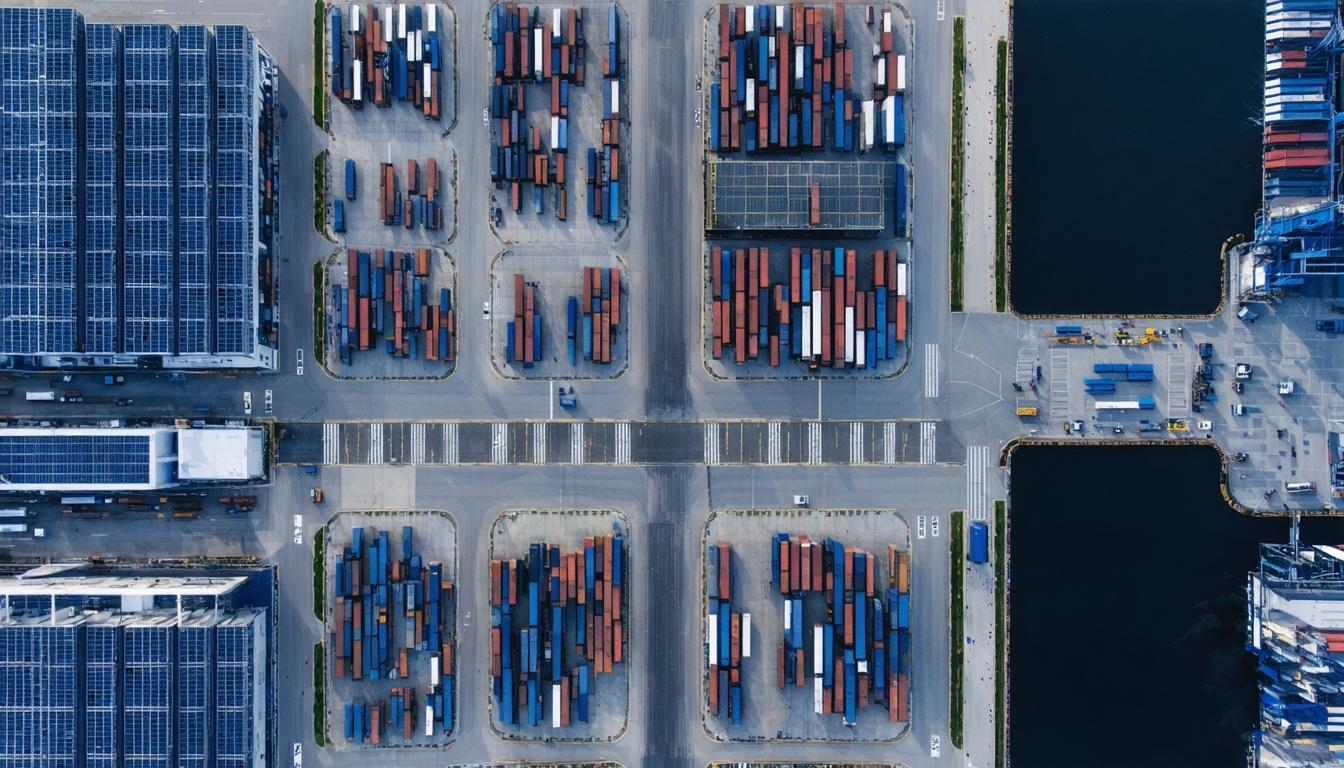
*this image is generated using AI for illustrative purposes only.
Ares Management Corporation (NYSE: ARES) has closed its fifth Japan-focused logistics real estate development fund at its $4 billion hard cap. The raise marks the firm’s largest closed-end institutional fundraise to date.
The fund, named Japan Logistics Development Partners V LP (JDP V), attracted commitments from a diversified global investor base. This includes pension funds, sovereign wealth funds, insurance companies, and financial institutions across North America, Asia-Pacific, Europe, and the Middle East.
Fund Size and Investor Composition
JDP V raised ¥612 billion (approximately US$4 billion), including limited partner equity commitments and general partner commitment. This figure represents a significant increase from its predecessor, JDP IV, which raised ¥412 billion in 2021. The new fund is nearly 50% larger than the 2021 vintage.
Canada Pension Plan Investment Board (CPP Investments) serves as a cornerstone investor. CPP Investments committed ¥150 billion (approximately US$968 million) to JDP V. As a founding investor in the series since its inception in 2011, CPP Investments has participated in every vintage.
| Metric | JDP V (Current) | JDP IV (2021) |
|---|---|---|
| Total Capital Raised | ¥612 billion ($4 billion) | ¥412 billion |
| CPP Investment Commitment | ¥150 billion ($968 million) | Not specified |
Investment Strategy and Capacity
Consistent with previous funds, JDP V will primarily invest in the development of institutional-quality modern logistics facilities. Target markets include Greater Tokyo, Greater Osaka, and Nagoya. The fund holds total investment capacity of ¥1.7 trillion (approximately US$11 billion).
Ares’ vertically integrated global logistics platform, Marq Logistics, will develop and operate these investments. As of June 30, 2026, Marq Logistics manages approximately 120 million square feet in Japan and over 655 million square feet globally. JDP V has already committed to projects representing approximately ¥450 billion in total investment, alongside a proprietary pipeline.
What the Numbers Show
The scale of JDP V relative to its predecessor highlights accelerated capital deployment in the sector. While the raised capital increased by roughly 48% from JDP IV to JDP V, the total investment capacity expanded significantly more, reaching ¥1.7 trillion. This suggests a higher leverage ratio or greater reliance on debt financing for development projects compared to prior vintages, amplifying the potential return on equity for investors.
Corporate Context
The fundraise follows Ares’ acquisition of GCP International in March 2025. Ares Real Estate manages approximately US$121 billion in assets as of June 30, 2026. The broader Ares Management Corporation platform had over $671 billion of assets under management globally on the same date.
Julie Solomon, Partner and Head of Ares Real Estate, stated that the close reflects the team’s track record and the compelling opportunity set in Japan. Yoshiyuki Chosa, Partner and Head of Japan Real Estate at Ares, noted that Japan remains one of the most attractive logistics markets globally, supported by long-term structural demand.

How will the increased leverage ratio in JDP V impact Ares' risk profile given potential shifts in Japanese interest rates and debt financing costs?
What specific operational synergies is Ares expecting to realize from integrating GCP International's assets into the Marq Logistics platform following the recent acquisition?
How might the rapid expansion of institutional-quality logistics facilities in Greater Tokyo, Osaka, and Nagoya affect rental yields and vacancy rates in these saturated markets?
 19
19













 Access 50+ Readymade Screeners
  Use 200+ Custom Filters
  Get Full Market Insights





