

Paramount Syntex IPO DRHP: ₹61.68 crore fresh issue; FY26 PAT at ₹13.87 crore


- Paramount Syntex files DRHP for ₹61.68 crore fresh issue
- FY26 net profit rises to ₹13.87 crore from ₹1.35 crore in FY24
- Proceeds fund machinery purchase at Ludhiana facility
- Risks include single-segment dependency and high customer concentration

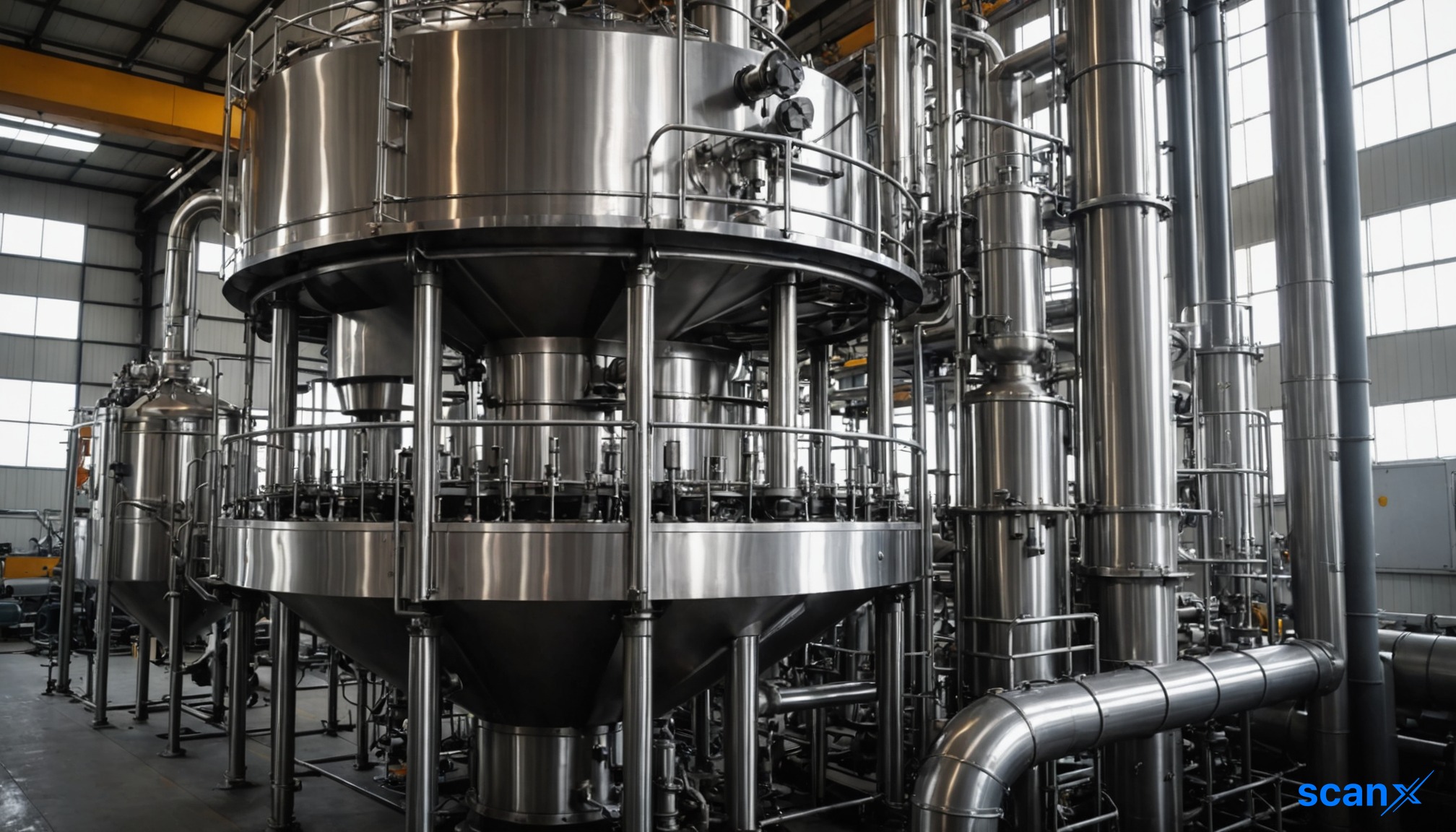

*this image is generated using AI for illustrative purposes only.
Paramount Syntex Limited, a Mumbai-registered textile manufacturer based in Ludhiana, has filed its Draft Red Herring Prospectus for an initial public offering valued at ₹61.68 crore. The company, which specializes in synthetic fibres and acrylic yarns for the designer knitting sector, recorded net profit of ₹13.87 crore in FY2026, marking a substantial improvement from ₹1.35 crore in FY2024.
About the Company
Incorporated in 1996 and converted to a public limited company in July 2024, Paramount Syntex operates exclusively in the synthetic textile segment. The company manufactures 100% acrylic fibre yarns, dyed fibre yarns, polyester, nylon, and blended yarns, along with knitted cloth products. All manufacturing operations are concentrated at a single facility in Ludhiana, Punjab, featuring vertically integrated processes including in-house dyeing, spinning, bulking, and packing. The company holds ISO 9001:2015, ISO 45001:2018, ISO 14001:2015, and GMP certifications. Its raw material sourcing includes recycled acrylic fibre from domestic sources and Thailand, though no long-term supply contracts are in place.
Financial Performance
The company has demonstrated robust top-line growth and significantly improved profitability over the last three fiscal years. Revenue from operations increased from ₹92.78 crore in FY2024 to ₹122.03 crore in FY2026, representing a two-year growth of approximately 31.53%. Net profit surged by roughly 927% during the same period, driven by improved margins and operational efficiency.
| Metric | FY2023-24 | FY2024-25 | FY2025-26 |
|---|---|---|---|
| Revenue from Operations (₹ Cr) | 92.78 | 112.42 | 122.03 |
| Total Revenue (₹ Cr) | 92.94 | 112.72 | 122.51 |
| Profit Before Tax (₹ Cr) | 5.22 | 9.18 | 19.15 |
| Net Profit (₹ Cr) | 1.35 | 6.73 | 13.87 |
| Total Assets (₹ Cr) | 60.25 | 76.09 | 96.26 |
| Total Equity (₹ Cr) | 14.05 | 28.80 | 42.67 |
Total equity grew by approximately 204% from FY2024 to FY2026, primarily due to retained earnings. However, operating cash flows were negative in FY2024 (-₹0.74 crore) and FY2025 (-₹2.57 crore), turning positive only in FY2026 (₹5.90 crore). The debt-to-equity ratio improved from 3.29x in FY2024 to 1.26x in FY2026.
Why the Company Is Raising Funds
The entire issue size of ₹61.68 crore is designated as a fresh issue. Proceeds are primarily allocated toward funding capital expenditure for the purchase of machinery at existing Ludhiana facilities. This includes spinning machines, dyeing equipment, boilers, and humidification systems. A portion of the proceeds, subject to a cap of 15% of gross proceeds, will be utilized for general corporate purposes such as business development, salaries, rent, and administrative expenses. Notably, the proposed capital expenditure has not been independently appraised by any bank or financial institution, and no firm orders have been placed as of the DRHP date.
Business Strengths
The company cites several competitive advantages, including a management team with over 30 years of combined industry experience. Vertical integration allows for greater control over production quality and cost management. The company focuses on niche products like 100% acrylic fibre yarns, catering specifically to the designer knitting sector. Additionally, the business benefits from an established customer base and ISO-certified operations that support quality standards.
Key Risks
Several material risks are disclosed in the prospectus. The company derives 100% of its revenue from a single business segment, creating dependency risks. There is high customer concentration, with the top 10 customers contributing approximately 54.81% of total sales in FY2025-26, and no long-term agreements exist with key customers or suppliers. Geographical concentration is also significant, with ~90.64% of domestic sales derived from Punjab in FY2025-26.
Other notable risks include negative operating cash flows in FY2024 and FY2025, reliance on external borrowings during those periods, and a history of statutory filing delays, including delays exceeding 300 days for certain RoC forms. Furthermore, the company advanced ₹679.20 lakhs to suppliers for expansion projects that did not materialize, leading to provisions for doubtful recovery. The sole manufacturing facility lacks insurance for machinery breakdowns, and imported machinery costs are exposed to foreign currency fluctuations without hedging arrangements.
Important IPO Dates
| Event | Date |
|---|---|
| DRHP Published Date | 28-Sep-2026 |
| IPO Opening Date | 30-Sep-2026 |
| IPO Closing Date | 05-Oct-2026 |
| Basis of Allotment | 06-Oct-2026 |
| Listing Date | 08-Oct-2026 |
Offer Details
The offering is structured as a 100% fresh issue with no offer for sale component. The price band and lot size are not available in the current disclosure. The listing exchange details are also currently unavailable.
Bottom Line
Paramount Syntex Limited presents a case of rapid profitability growth within a niche textile segment, supported by vertical integration and experienced management. The ₹61.68 crore fresh issue aims to expand capacity at its sole Ludhiana facility. While financial metrics show strong improvement, the filing highlights risks associated with single-segment dependency, geographical concentration, historical cash flow volatility, and unappraised capital expenditure plans.

How will the absence of long-term supply contracts for recycled acrylic fibre impact Paramount Syntex's raw material cost stability post-listing?
What specific market conditions or customer retention strategies are required to mitigate the risk of losing key accounts given the high customer concentration?
How might the lack of independent appraisal for the proposed capital expenditure affect investor confidence during the price discovery phase of the IPO?
 19
19





 Access Market Heat-map & Insights
  Create, Save & Share your Screener
  Use 200+ Screening Filters





