

Onyx files for HK IPO as chip resales offset 4.7% drop in device sales


- Onyx International filed for a Hong Kong IPO, reporting net profit down 24% to CNY 53.3 million in H1 2026
- Total revenue rose 7.4% to CNY 574 million, but core device sales fell 4.7% year-on-year
- Chip resales contributed CNY 55.7 million, accounting for all revenue growth while masking core declines
- Inventory surged 50% to CNY 748.8 million, driving operating cash outflows of CNY 198.7 million
- Bank borrowings more than doubled as the company absorbed cash into raw material stockpiles

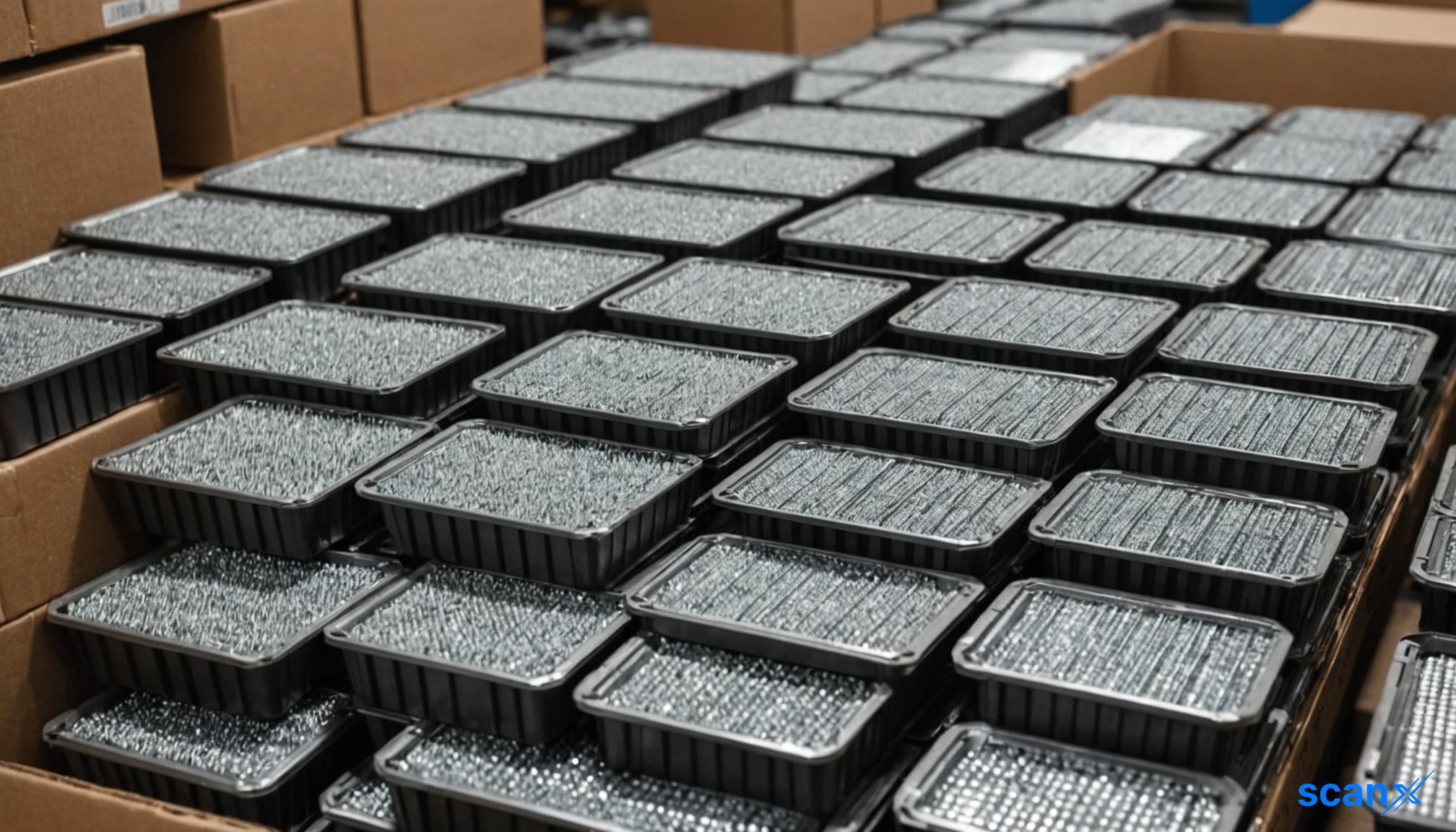

*this image is generated using AI for illustrative purposes only.
Onyx International Inc. has filed for a Hong Kong IPO, relying on stockpiled chip resales to maintain revenue growth while its core e-reader and notebook sales contracted. The Guangzhou-based BOOX brand owner reported a 24% decline in net profit to CNY 53.3 million in the first half of 2026, despite a 7.4% rise in total revenue.
The company’s financial profile reveals a divergence between top-line stability and operational health. While total revenue reached CNY 574 million ($85 million), up from CNY 534 million a year earlier, this growth was entirely attributable to non-core activities. Sales from Onyx’s two primary device lines fell 4.7% year-on-year, and their combined gross profit dropped 11.7%. Resales of inventory chips contributed CNY 55.7 million to revenue, effectively masking the underlying weakness in the consumer electronics segment.
Core Business Contraction
The shift in revenue composition highlights significant pressure on Onyx’s traditional business lines. Reading-focused products saw revenue collapse by more than half to CNY 104.3 million, with gross margins contracting to 26.2% from 35.8% in the prior year period. Management attributed this margin erosion to discounts on older models, a less favorable product mix, and rising component costs.
Conversely, the notebook segment showed resilience in volume but faced pricing headwinds. Revenue from notebooks rose 32% to CNY 383.7 million, yet average selling prices fell 22% due to strong sales of smaller, lower-cost models. This dynamic suggests that while demand for digital writing tools persists, Onyx is capturing value through volume rather than premium positioning.
Balance Sheet Strain
Onyx’s aggressive inventory strategy has impacted its liquidity position. Inventory levels surged 50% between December 2025 and June 2026, reaching CNY 748.8 million, with approximately three-quarters comprising raw materials. This buildup absorbed significant cash, resulting in an operating cash outflow of CNY 198.7 million during the first half. To fund operations, bank borrowings more than doubled over the same period.
| Metric | H1 2026 | Prior Period / Change | Context |
|---|---|---|---|
| Total Revenue | CNY 574 million | +7.4% YoY | Driven by chip resales |
| Net Profit | CNY 53.3 million | -24% YoY | Higher expenses outweighed gains |
| Device Sales | N/A | -4.7% YoY | Core business contraction |
| Inventory | CNY 748.8 million | +50% since Dec 2025 | Raw materials dominate |
| Operating Cash Flow | -CNY 198.7 million | Negative | Absorbed by inventory build |
What the Numbers Show
The data reveals a critical dependency on non-recurring gains for headline growth. The CNY 55.7 million contribution from chip resales exceeds the absolute increase in total revenue (calculated as CNY 574 million minus CNY 534 million, a CNY 40 million increase). This implies that without the chip resale activity, Onyx’s core revenue would have declined. Furthermore, the 11.7% drop in gross profit from devices contrasts sharply with the modest 7.4% top-line growth, indicating that the profitability of the core business is deteriorating faster than its sales volume. Management expects these chip resale benefits to diminish, leaving investors to assess the standalone viability of the e-reader and notebook segments against smartphone competition.
Market Dynamics and Competition
Onyx faces intensifying competition from both traditional rivals and broader tech trends. Amazon raised its basic Kindle price to $149.99 in August, citing higher memory costs, while Chinese rival Hanvon maintained prices despite similar pressures. Outside Greater China, international customers supplied 54.6% of Onyx’s revenue, with Europe accounting for 20.1% and the U.S. for 17.7%.
The broader market context presents mixed signals. Research firm RUNTO recorded a 22.3% rise in reader unit sales in China during the first half of 2026, but a 30.5% decline in office notebooks. Onyx ranked third in China’s online e-paper tablet market with a 17.5% share by unit sales. However, the trend toward smartphone reading continues to challenge dedicated device makers, with 79% of Chinese adults reading on phones in 2025 according to national surveys.
IPO Plans and Valuation
Onyx plans to use IPO proceeds for R&D, marketing, acquisitions, supply-chain upgrades, and working capital. A 2024 transaction involving a Lenovo-controlled investor implied a valuation of just over CNY 1 billion, though this involved existing shares and special rights. Prospective investors must now determine the company’s current worth, weighing the temporary boost from chip arbitrage against the structural challenges facing its core e-paper business.

How will the anticipated expiration of high-margin chip resale opportunities impact Onyx's reported revenue growth in the second half of 2026?
What specific R&D initiatives or product innovations is Onyx planning to deploy to counteract the structural decline in dedicated e-reader demand against smartphone alternatives?
Given the significant inventory buildup and doubled bank borrowings, what are Onyx's primary strategies for restoring positive operating cash flow prior to or immediately following the IPO?
 16
16






 Create Custom Screeners
  Access 200+ Pre-built Filters
  Use 50+ Readymade Screener





