

US Energy Sec Wright doubts Iran nuclear deal as Hormuz traffic drops 50%


- US Energy Secretary Chris Wright doubts an Iran nuclear deal will happen
- Efforts focus on degrading Iran's nuclear capacity over a 47-year timeline
- Strait of Hormuz maritime traffic dropped by 50% despite US control claims
- Iran's parliament speaker warned of severe responses to US strikes
- Trump predicts rising oil prices but expects stock market gains

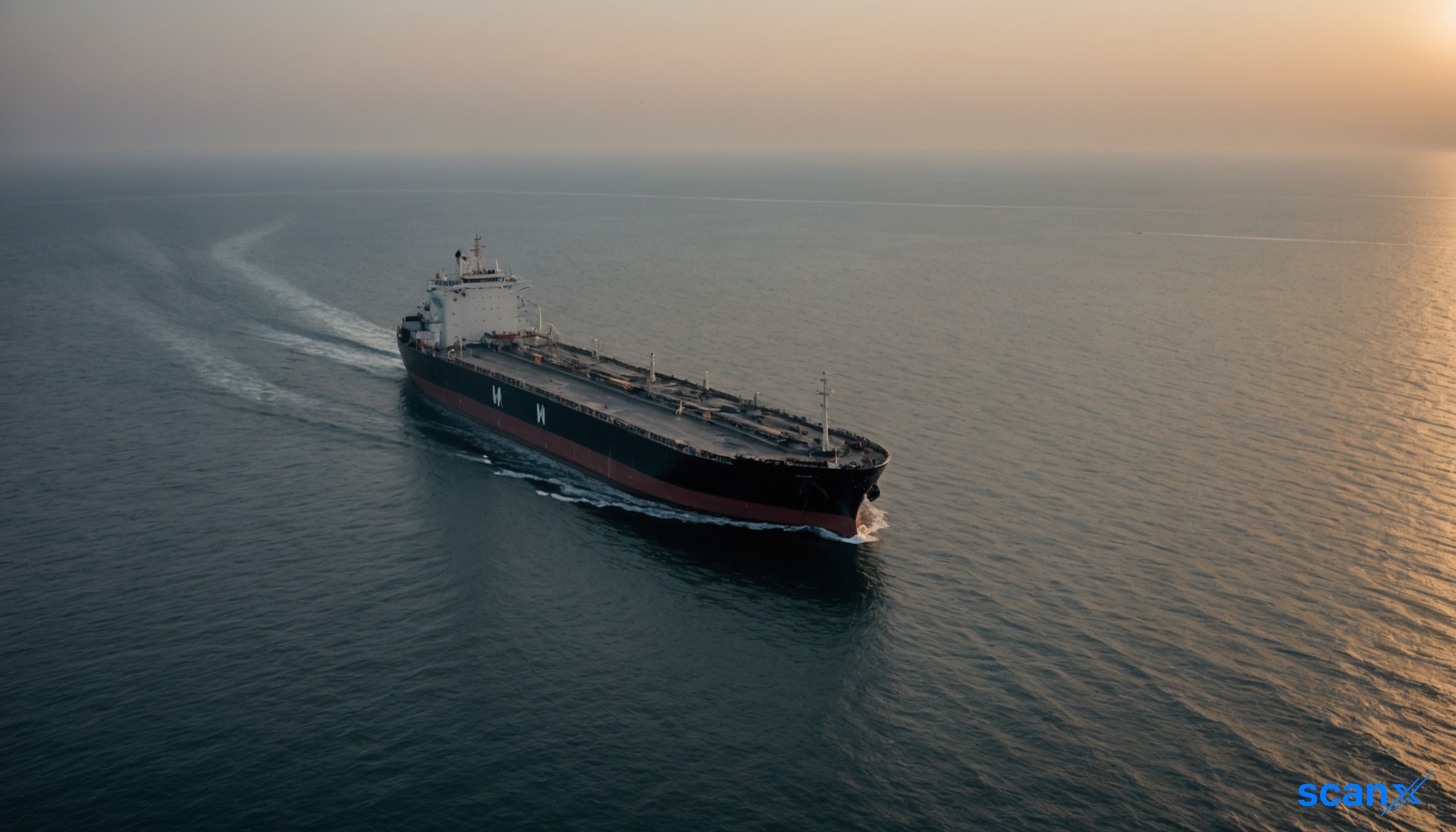

*this image is generated using AI for illustrative purposes only.
US Energy Secretary Chris Wright stated that a nuclear agreement with Iran may never materialize, emphasizing ongoing efforts to degrade Tehran’s nuclear capabilities. This assessment comes as the conflict enters its seventh month, with military actions and sanctions intensifying economic pressure on the regime.
Wright Expresses Doubts About Potential Deal
During an appearance on ABC News’ “This Week,” Wright suggested the US might focus on dismantling Iran’s nuclear infrastructure rather than negotiating a deal. He highlighted a long-term strategy to prevent Iran from developing nuclear weapons.
“We are degrading their capacity to develop nuclear weapons and ultimately to deliver them if they develop them. It is a 47-year-long effort. This is not trivial, but the United States will get the job done and we will work in cooperation with our allies in the region,” Wright said.
Wright noted that these efforts could extend into future administrations. The primary military objective remains halting Iran’s crude exports to exert economic pressure.
Iran Warns of Severe Responses
Iran’s parliament speaker, Mohammad Bagher Ghalibaf, warned of more severe responses to US actions. This follows US strikes on Iranian oil tankers, which were retaliatory measures against missile attacks by Iran’s Revolutionary Guard.
CENTCOM Admiral Brad Cooper confirmed that the US will continue to protect its forces and impose economic costs on Iran.
Trump Claims Control Over Strait of Hormuz
President Donald Trump stated that the US has “total control” over the Strait of Hormuz, a critical chokepoint for oil shipments. However, shipping data indicates commercial traffic remains severely constrained.
| Metric | Status |
|---|---|
| Strait of Hormuz Traffic | Dropped by 50% |
| US Claim | Total control |
Trump urged oil companies to expand refining capacity to mitigate rising fuel costs. However, expanding refining capacity involves significant financial investments and time.
Despite volatility, Trump expressed confidence that the stock market will continue to rise. He acknowledged the economic costs of confronting Iran, predicting oil prices would increase and the stock market might experience fluctuations.
What the Numbers Show
The divergence between the administration’s claim of “total control” over the Strait of Hormuz and the reported 50% drop in maritime traffic highlights a significant disconnect between geopolitical assertions and operational reality in global energy logistics.

How might the sustained 50% drop in Strait of Hormuz traffic impact global oil prices and inflation metrics in the coming quarters?
What are the potential long-term geopolitical consequences for US alliances in the Middle East if the strategy shifts permanently from diplomacy to infrastructure degradation?
Could Iran's threatened severe responses escalate into a broader regional conflict involving proxy groups, and how would that affect global supply chains?
 20
20







 Access Market Heat-map & Insights
  Create, Save & Share your Screener
  Use 200+ Screening Filters





