US charges California man for $300M Nvidia AI server smuggling scheme

scanx
Reviewed by
Shriram SScanX News Team
Key Highlights
  • Greg Lui charged with smuggling $300 million in Nvidia AI servers to China
  • Servers routed through Malaysia and Singapore to bypass U.S. export licenses
  • Earthmade Computer purchased 27 H100 GPU servers for $7.6 million
  • Charges include violating Export Control Reform Act and money laundering
powered bylight_fuzz_icon
52467643

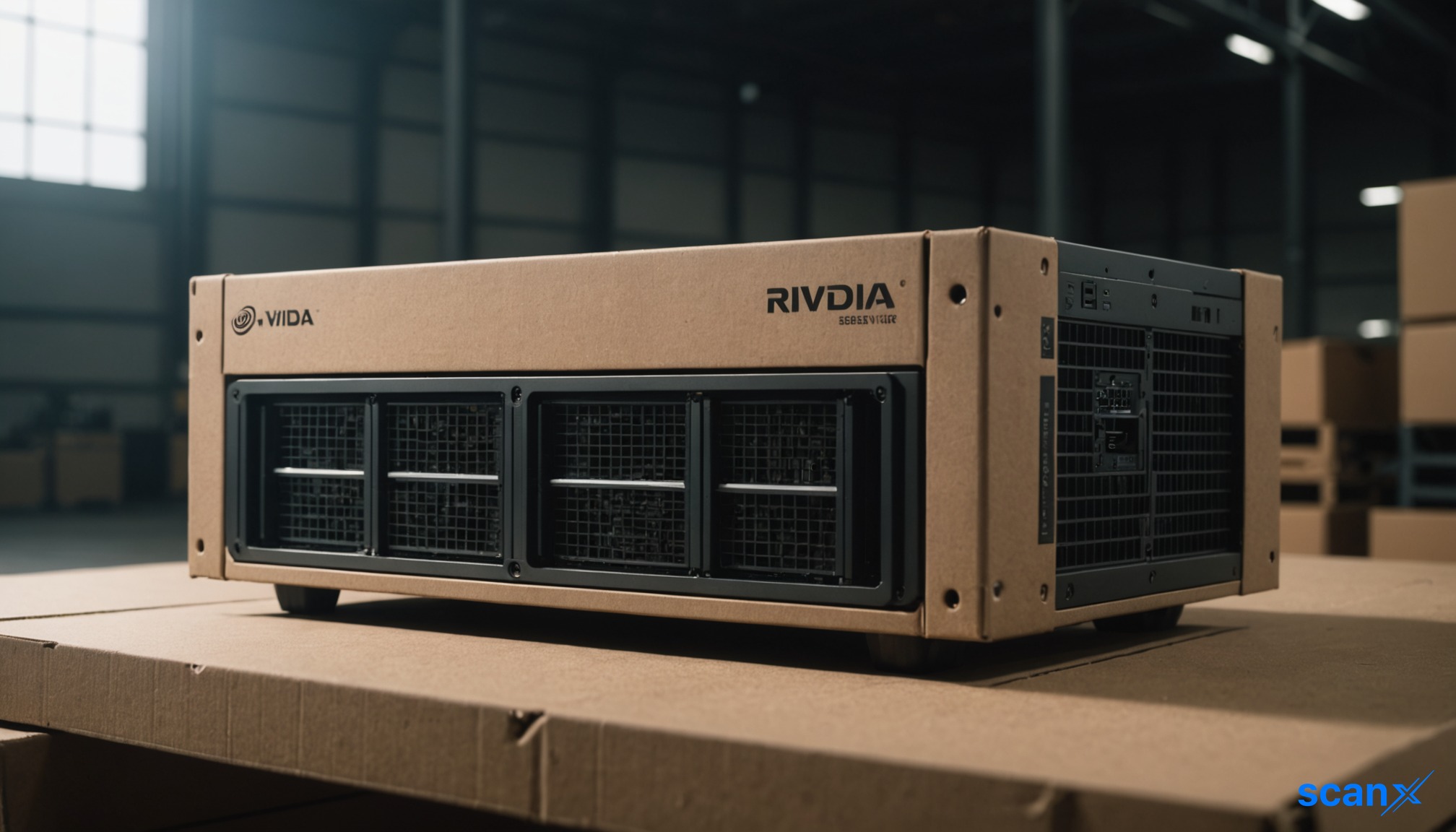
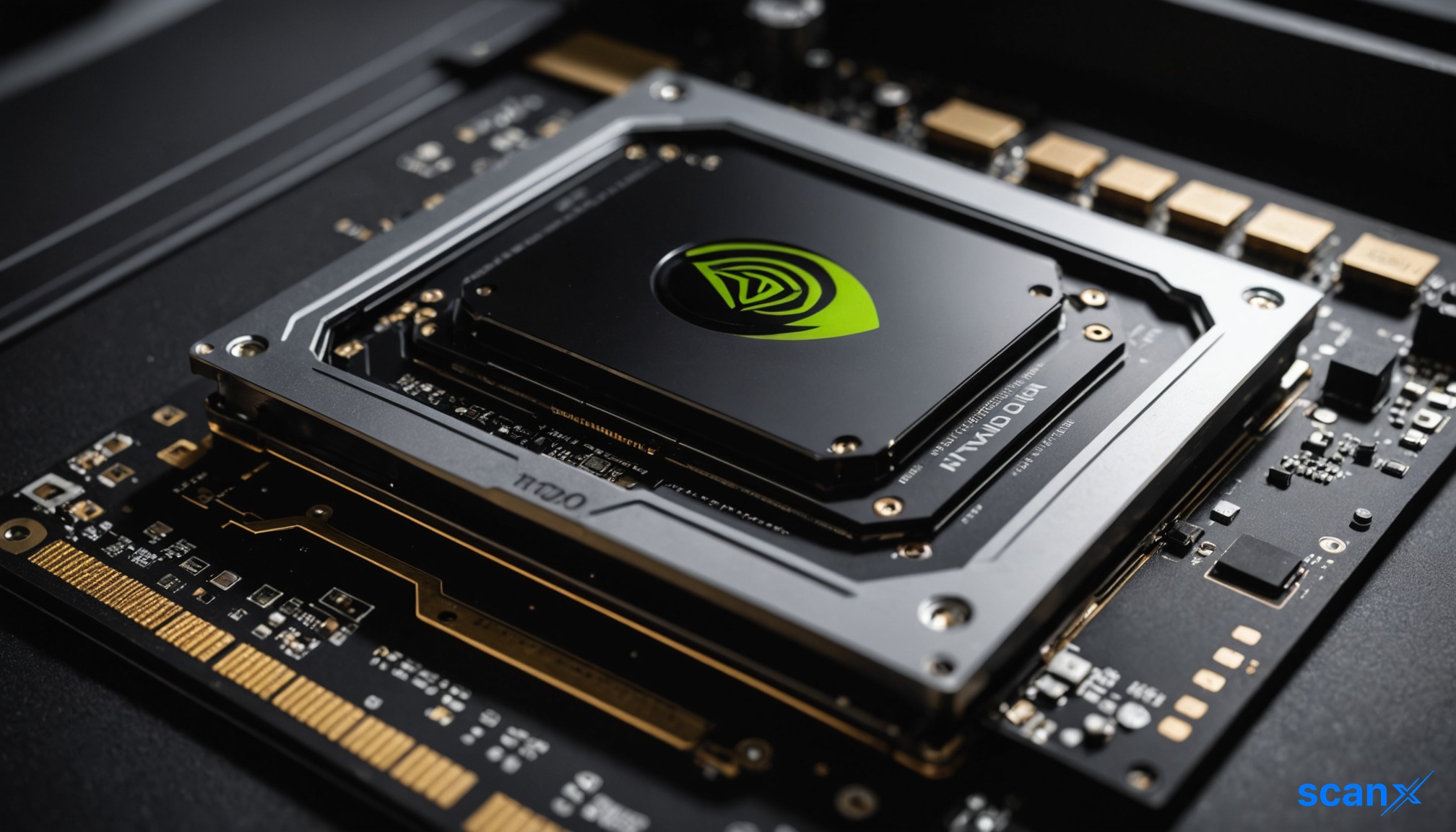
*this image is generated using AI for illustrative purposes only.

A California man has been charged with federal crimes for allegedly orchestrating a $300 million scheme to smuggle Nvidia Corp Nvidia Corp AI servers into China. Authorities arrested Greg Lui on Thursday, alleging he bypassed U.S. export controls by routing high-performance computing equipment through intermediary countries.

Lui, 38, also known as Yiu Kong Lui, of San Gabriel, California, owns Earthmade Computer, a closely held technology company. Prosecutors allege that between 2023 and 2024, the firm purchased and shipped export-controlled servers containing Nvidia H100 GPUs to China without obtaining the required licenses from the U.S. Department of Commerce. The charges include conspiring to violate the Export Control Reform Act, outbound smuggling, and conspiracy to commit money laundering.

Alleged routing through third countries

The indictment details a method designed to evade detection. Lui reportedly purchased 27 servers containing Nvidia H100 GPUs from an unidentified U.S. manufacturer for approximately $7.6 million under a single purchase order. To circumvent direct export restrictions, prosecutors allege Lui and his co-conspirators routed the shipments through Malaysia and Singapore. These jurisdictions did not require the same U.S. export licenses at the time, allowing the technology to be re-exported to mainland China.

The servers contained graphics processing units (GPUs) essential for artificial intelligence applications. The U.S. government began restricting Nvidia’s advanced chip exports to China in 2022, gradually expanding these controls to include specific models like the H20. While Washington later allowed some sales of the H20 to resume, the H100 remains subject to strict licensing requirements.

Broader enforcement actions

This case is part of a wider pattern of enforcement against illicit AI technology transfers. In August, Taiwanese authorities indicted nine people, including employees of Nvidia and Super Micro Computer Inc., for allegedly exporting high-end AI servers to mainland China illegally. The Department of Justice stated that Nvidia did not immediately respond to requests for comment regarding the new charges.

Detail Information
Defendant Greg Lui (Yiu Kong Lui)
Company Earthmade Computer
Estimated Value $300 million
Specific Purchase 27 servers for $7.6 million
Chip Type Nvidia H100 GPUs
Routing Countries Malaysia, Singapore

Market context

Despite the legal developments, Nvidia shares showed resilience. The stock closed at $230.86 on Thursday and rose 0.27% to $231.49 in after-hours trading. According to Benzinga Edge Rankings, Nvidia ranks in the 98th percentile for Growth, with positive short-, medium- and long-term price trends. The incident highlights the ongoing tension between U.S. national security interests in restricting advanced semiconductor access and global demand for AI infrastructure.

Disclaimer: This article is AI-generated using data from ViewTrade. ScanX is not liable for any inaccuracies.

How might this indictment influence the U.S. Department of Commerce's strategy for tightening export control enforcement on third-country transshipment hubs like Malaysia and Singapore?

What specific compliance enhancements are likely to be implemented by Nvidia and its channel partners to prevent unauthorized resale of H100 GPUs in light of these new charges?

Could this case trigger broader regulatory scrutiny or sanctions against intermediary logistics firms and distributors involved in similar cross-border tech transfers?

DeepSeek, Huawei alliance targets Nvidia's CUDA software advantage

scanx
Reviewed by
Ashish TScanX News Team
Key Highlights
  • DeepSeek and Huawei collaborate on open-source software for Ascend AI chips
  • Initiative targets Nvidia's CUDA platform used by 7.5 million developers
  • TileLang offers simpler programming model than CUDA for Ascend processors
  • Polymarket odds of AI bubble burst by Dec 31 stand at 9%
  • Customers sign multiyear contracts for older Nvidia H100 chips
powered bylight_fuzz_icon
52322184

*this image is generated using AI for illustrative purposes only.

Nvidia Corp. (NASDAQ: NVDA) faces a strategic challenge as DeepSeek partners with Huawei Technologies to develop open-source software for Huawei's Ascend AI chips. This initiative directly targets CUDA, the proprietary platform that has historically locked developers into Nvidia's hardware ecosystem.

The collaboration involves adapting DeepSeek's software stack, including TileLang, to optimize AI workloads on Huawei's Ascend processors. By offering a simpler programming model than CUDA, the effort seeks to reduce the technical friction associated with switching away from Nvidia GPUs. Nvidia's competitive edge relies heavily on its 7.5 million developer base using CUDA, making rival hardware adoption difficult despite comparable processing power.

Software ecosystem shift

The partnership focuses on building infrastructure that allows data and workloads to move efficiently across Huawei's Ascend 950 supernodes. A 128-chip supernode configuration has been optimized by the joint team. This development aligns with warnings in Nvidia's latest quarterly filing, which noted that U.S. export restrictions have limited its access to China's data-center market. The filing stated that this absence has enabled rivals to build larger developer ecosystems capable of challenging Nvidia globally.

Gregory Allen of the Center for Strategic and International Studies testified in April 2025 that DeepSeek's open-source community could enhance Huawei's CANN software ecosystem. While shifting workloads away from CUDA is expected to take years, the release of tools like TileLang indicates progress in lowering these entry barriers.

Market resilience and demand signals

Despite the emerging software competition, immediate threats to Nvidia's market position appear contained. Polymarket traders assign a 9% probability to an AI bubble burst by December 31, 2026, based on a contract with approximately $2.4 million traded. The contract requires three of six stress events, such as a 50% drop in Nvidia shares or H100 rental prices falling to $1 per hour, to trigger a payout.

Furthermore, demand for Nvidia GPU capacity remains robust. Customers are signing multiyear contracts for older H100 chips, suggesting that current supply constraints outweigh near-term concerns about alternative software stacks. The persistence of high demand for legacy hardware underscores the depth of Nvidia's installed base and the inertia of existing infrastructure.

What the numbers show

A divergence exists between the long-term structural threat posed by software ecosystem fragmentation and the short-term strength of Nvidia's commercial demand. While DeepSeek and Huawei are actively dismantling the software barriers (CUDA) that protect Nvidia's hardware monopoly, Nvidia's latest filing highlights that its absence in China has already allowed rivals to grow their ecosystems. However, the market data shows continued reliance on Nvidia hardware, evidenced by multiyear contracts for older H100 models. This suggests that while the ability to switch away from Nvidia is improving via open-source tools, the economic incentive to do so remains low due to supply scarcity and established infrastructure investments.

Disclaimer: This article is AI-generated using data from ViewTrade. ScanX is not liable for any inaccuracies.

How might Nvidia adjust its pricing or licensing strategies for CUDA to counter the appeal of DeepSeek's open-source alternatives?

What specific regulatory changes in the U.S. could accelerate or hinder the adoption of Huawei's Ascend chips in non-China markets?

Will major cloud providers begin diversifying their hardware suppliers to mitigate risks associated with potential future export restrictions?