

Trump rules out nuclear use in Iran conflict, dismisses ground troops


- Trump ruled out nuclear weapon use and ground troop deployment in Iran
- Reports indicate US plans for strikes on Iranian energy and nuclear sites
- Potential military action may occur before or after November 3 midterms
- Eight attacks recorded in Strait of Hormuz since October 11
- UK Maritime Trade Operations rates threat level as severe

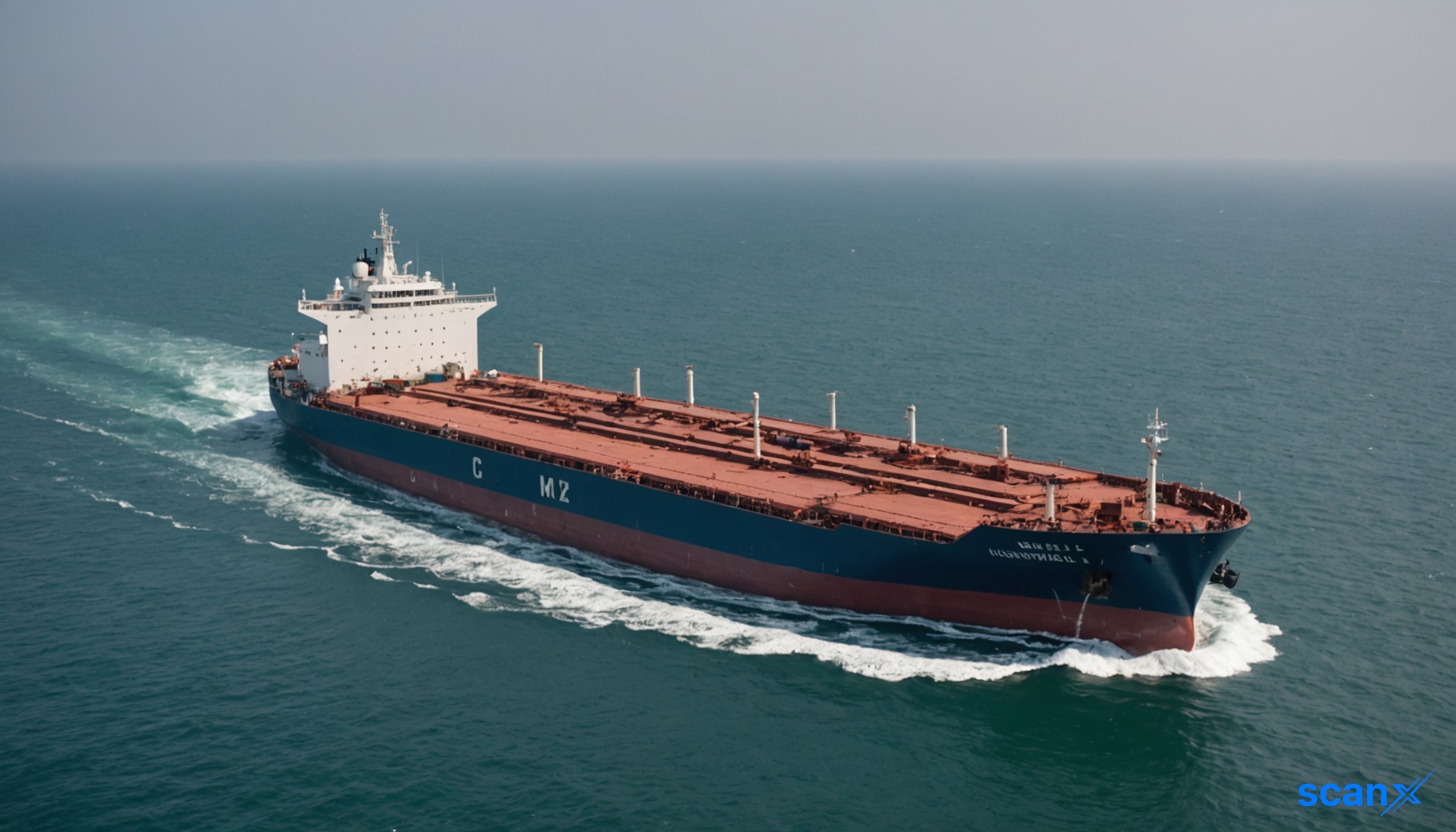

*this image is generated using AI for illustrative purposes only.
President Donald Trump ruled out the use of nuclear weapons against Iran and dismissed the prospect of deploying US ground troops, despite emerging reports of potential strikes on Iranian energy infrastructure. Speaking to Newsmax on Thursday, Trump emphasized that while the United States remains the "greatest nuclear power," such weaponry is unnecessary for the current conflict.
The remarks follow CNN reports that the US military has developed plans to target Iranian nuclear facilities and energy sites. These operations could be launched either before or after the November 3 midterm elections, should Trump order a resumption of military action. Earlier this month, Trump indicated he would not resume strikes prior to the elections.
Conventional options under consideration
When asked about the GBU-43/B Massive Ordnance Air Blast (MOAB), commonly known as the "Mother of All Bombs," Trump clarified its nature. He described the weapon as "like a tiny nuclear bomb" in terms of destructive power but stressed it is strictly conventional. The MOAB is the largest non-nuclear bomb in the US arsenal, previously used in combat in Afghanistan in 2017 against ISIS militants.
Trump did not directly confirm or deny whether the US was considering using the MOAB against Iran. The White House did not immediately respond to requests for comment regarding the specific strike plans.
Shipping risks escalate in Strait of Hormuz
Commercial shipping faces heightened threats in the Strait of Hormuz, a critical global energy route. The UK Maritime Trade Operations agency rated the threat level as "severe" following eight attacks in the strait since October 11.
Recent incidents include the sinking of the Singapore-registered container ship GFS Pride, which was hit by an unidentified projectile and caught fire. The agency stated that "deliberate hostile action" was highly likely in these incidents, raising significant concerns for maritime safety in the region.

How might sustained attacks in the Strait of Hormuz impact global oil prices and energy supply chains if the threat level remains severe?
What are the potential economic consequences for US midterm election outcomes if military strikes on Iranian infrastructure occur shortly before or after the vote?
How could Iran retaliate against conventional US strikes on its energy sector without escalating to nuclear or direct ground conflict?
 18
18






 Access Market Heat-map & Insights
  Create, Save & Share your Screener
  Use 200+ Screening Filters





